









In the modern era of industrial food production, the pursuit of shelf stability and product longevity has become a cornerstone of the global supply chain. From bread and canned goods to processed meats and snacks, additives are the invisible architects of our pantry. However, a landmark study published in the European Heart Journal has cast a long shadow over these common ingredients, suggesting that the preservatives we consume daily may be exacting a significant toll on our cardiovascular health.
Led by Dr. Mathilde Touvier and PhD candidate Anaïs Hasenböhler of the Nutritional Epidemiology Research Team at Université Sorbonne Paris Nord and Université Paris Cité, the investigation represents one of the most comprehensive looks to date at the relationship between food additives and human heart health. The findings suggest that the widespread consumption of certain preservatives is linked to a marked increase in the risk of hypertension and cardiovascular disease, prompting calls for regulatory bodies to re-evaluate safety standards.
The Scope of the Investigation: A Massive Nutritional Audit
The research was conducted under the umbrella of the ongoing NutriNet-Santé study, a massive, long-term project designed to track the intersection of nutrition and health outcomes. To reach their conclusions, the researchers analyzed data from 112,395 adult volunteers across France.
Unlike studies that rely on vague, infrequent surveys, the NutriNet-Santé methodology required participants to report every item of food and drink consumed over three-day periods, repeated every six months. This granular level of data collection allowed researchers to perform deep assessments of the specific ingredients and chemical additives contained within the participants’ diets.
The study population was monitored for an average of seven to eight years. During this period, researchers cross-referenced the participants’ dietary intake with their medical records to track the incidence of high blood pressure, heart attacks, strokes, and angina. The ubiquity of these additives was confirmed almost immediately: within the first two years of the study, 99.5% of the participants had consumed at least one food preservative.
The Mechanism of Risk: Distinguishing Between Additives
To understand the implications of the study, it is essential to distinguish between the two primary categories of preservatives examined by the researchers: non-antioxidant and antioxidant additives.
Non-Antioxidant Preservatives
These chemicals are primarily employed to suppress the growth of microorganisms, including mold, yeast, and harmful bacteria. By creating an environment hostile to microbial life, they extend the shelf life of highly processed goods. The study found that individuals who consumed the highest quantities of these additives faced a 29% greater risk of developing hypertension compared to those with the lowest intake. Furthermore, they exhibited a 16% higher risk of suffering from major cardiovascular events, including heart disease and stroke.
Antioxidant Preservatives
These substances serve a different, though equally critical, industrial purpose: they prevent oxidation. Without these additives, fats and oils in processed foods would turn rancid, and fruits or vegetables would discolor upon exposure to oxygen. Despite their role in maintaining "freshness," high intake of these antioxidants was linked to a 22% increase in the risk of hypertension.
A Targeted Look at Eight High-Risk Additives
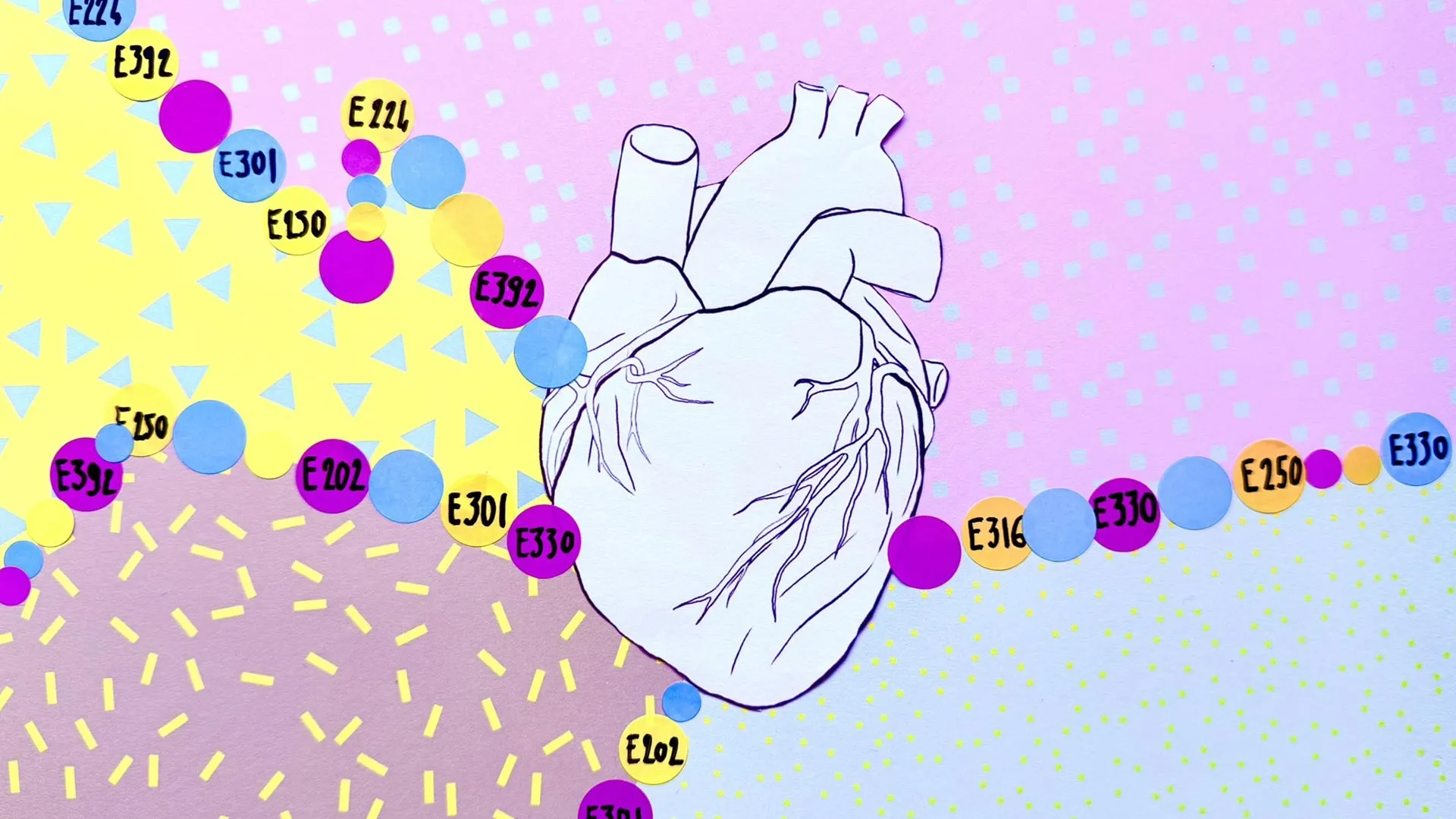
While the study examined a wide array of ingredients, researchers highlighted 17 of the most commonly used preservatives for individual scrutiny. The results were concerning, identifying eight specific additives that demonstrated a statistically significant correlation with elevated blood pressure.
Among these, one substance stood out: ascorbic acid (E300). While widely known as Vitamin C—an essential nutrient—when used as a synthetic food preservative in industrial quantities, it was specifically linked to an increased risk of broader cardiovascular disease.
The identification of these specific chemicals is a significant step forward for nutritional science. Previously, much of the evidence linking food additives to health risks was confined to laboratory experiments on cells or animal models. This study moves the conversation into the realm of human epidemiology, providing a clearer picture of how these substances interact with the human circulatory system over time.
Scientific Perspectives and Limitations
Dr. Mathilde Touvier acknowledges the complexities inherent in observational research but stands by the robustness of the team’s methodology. "This study has some limitations inherent to its observational design," she noted, referring to the potential for "confounding factors"—variables such as lifestyle, socio-economic status, and overall dietary quality that can influence health outcomes.
However, the team took extensive measures to adjust for these variables, ensuring that the association between additives and heart health remained significant even when controlling for other lifestyle risks.
The biological plausibility of these findings is supported by a growing body of experimental literature. Existing research suggests that certain preservatives may induce oxidative stress within the body—a condition where an imbalance of free radicals and antioxidants leads to cell and tissue damage. Additionally, some additives are suspected of interfering with the metabolic functions of the pancreas, which plays a vital role in glucose regulation and vascular health.
The Call for Regulatory Action
The implications of this research are far-reaching. If these additives are contributing to a population-wide increase in cardiovascular disease, the current safety evaluations—conducted by bodies like the European Food Safety Authority (EFSA) and the U.S. Food and Drug Administration (FDA)—may need a fundamental overhaul.
"These results suggest we need a re-evaluation of the risks and benefits of these food additives by the authorities in charge for better consumer protection," Dr. Touvier urged.
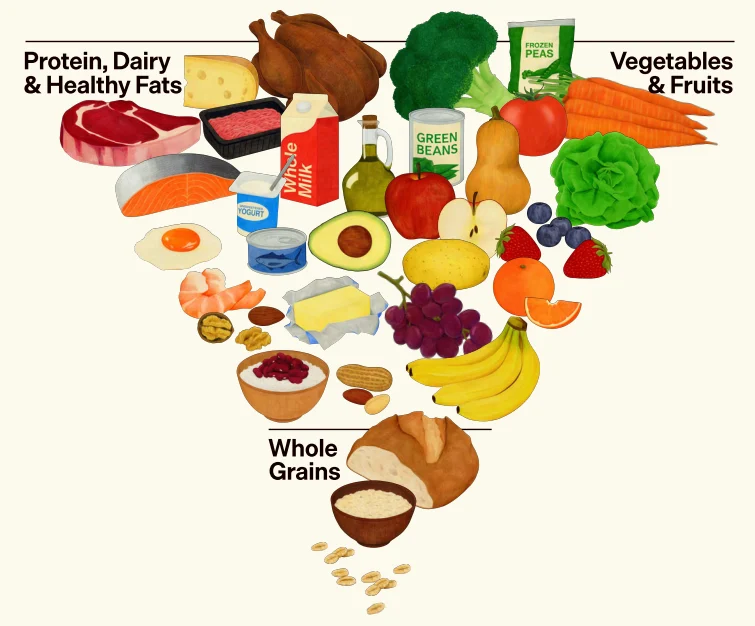
For the average consumer, the researchers offer a pragmatic, if challenging, piece of advice: return to basics. The study reinforces existing dietary guidelines that prioritize fresh, minimally processed foods over ultra-processed options. By minimizing the reliance on industrial "convenience" foods, consumers can naturally reduce their exposure to these potentially harmful chemical additives.
Implications for Public Health and Future Research
As the global burden of cardiovascular disease continues to rise, the role of diet remains a primary focus for public health initiatives. However, the conversation is shifting from just "what" we eat (e.g., fats, sugars, and salt) to "how" it is processed.
The research team behind this study is not stopping here. They are currently deep-diving into the "why" behind these associations. Their ongoing work aims to explore how food additives influence:
- Systemic Inflammation: Whether additives trigger immune responses that lead to chronic vascular inflammation.
- Gut Microbiota: How preservatives alter the delicate balance of bacteria in the digestive tract, which is increasingly recognized as a major regulator of heart health.
- Blood Metabolic Markers: Identifying the specific chemical pathways through which these additives enter the bloodstream and impact vessel walls.
By understanding these biological mechanisms, the team hopes to provide a definitive "map" of how industrial food processing affects human longevity.
In the interim, the message for healthcare professionals is clear: they must take a more active role in educating the public. Doctors and nutritionists are being encouraged to discuss not just the nutritional content of labels, but the additive profile of the products their patients consume.
The European Heart Journal study serves as a wake-up call to both the food industry and the public. While the convenience of a long shelf life is undeniably attractive in a fast-paced world, the long-term cost to the human heart may be too high. As scientific inquiry into the impact of food additives deepens, the evidence suggests that the safest path to health may lie in the simple, unprocessed foods that have sustained humanity for millennia.