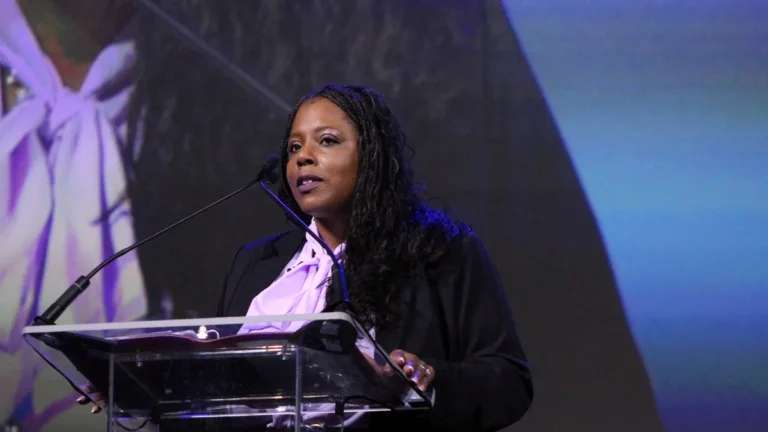












By Jon Hoeksma, CEO of Future Health Intelligence
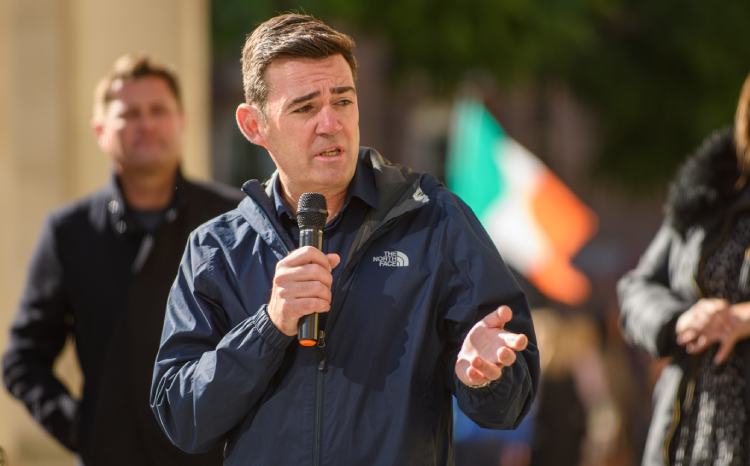
As the political landscape shifts, Andy Burnham—the former Health Secretary and long-serving Mayor of Greater Manchester—appears poised to become the first individual to transition from the helm of the Department of Health to the premiership at No 10 Downing Street. With Wes Streeting widely tipped to occupy No 11 as Chancellor, the UK government is on the cusp of an unprecedented experiment: a dual-leadership team with deep, operational experience in the complexities of the National Health Service.
For a nation grappling with stagnating public services and a decade of fiscal pressure, the implications are profound. This transition invites a critical examination of how "Manchesterism"—Burnham’s signature philosophy of radical devolution and joined-up public service—might reshape the NHS, and specifically, its long-stalled digital transformation agenda.
The Core Facts: A Departure from the Status Quo
The potential Burnham-Streeting axis represents a departure from recent political traditions. Burnham’s nine-year tenure as Mayor of Greater Manchester has been defined by a relentless focus on the social determinants of health. He has consistently argued that health outcomes are not merely products of clinical intervention but are inextricably linked to housing, transport, employment, and environmental policy.
For the NHS, this suggests a pivot away from the "siloed" thinking that has hampered progress for years. If Burnham’s mayoral track record is any indication, the new government will likely push for a more holistic, regionalised approach to health delivery. In the realm of IT, this could signal a move away from the obsession with monolithic, centralized national platforms toward a more federated, locally-driven architecture.
A Chronology of Policy and Ambition
To understand the potential trajectory of a Burnham government, one must look back at his previous stint as Secretary of State for Health during the twilight of the Brown administration.
- 2009–2010: Burnham’s term was dominated by the difficult aftermath of the National Programme for IT (NPfIT). Having witnessed the failure of "top-down" digital transformation, Burnham focused his political capital elsewhere, launching the "Shaping the Future of Care Together" green paper, which proposed a National Care Service.
- 2010–2024: The subsequent decade of austerity, combined with the Brexit transition, effectively froze the momentum for radical social care reform.
- 2015–2024: During his mayoral tenure, Burnham successfully experimented with localized, integrated care models in Greater Manchester, proving that regional control could reduce health inequalities.
- 2024–2025: The current "10-year health plan" was unveiled, yet it remains notably absent of significant provisions for social care, focusing almost exclusively on acute clinical settings.
Supporting Data: The Digital Funding Gap
The most pressing issue facing the incoming administration is the mysterious disappearance of the £10 billion digital investment pledge made in mid-2024.
Current market intelligence suggests that the original £10 billion figure has been steadily eroded. Unpublished implementation guidance from earlier this year hinted that the envelope had shrunk to approximately £7.4 billion, with growing fears that these funds are being redirected to other government priorities, such as the Ministry of Defence.
This "missing investment" has created a chilling effect on the health-tech market. NHS Trusts, uncertain about the longevity of central funding, have paused procurements and strategic IT upgrades. Furthermore, the systematic depletion of IT expertise—due to deep staff cuts at both the national and Integrated Care Board (ICB) levels—has left the NHS in a precarious state. The infrastructure is being asked to support a "digital-first" future while being starved of both the capital and the human talent required to execute it.
Implications: Reshaping the Digital Landscape
1. The Death of the Monolith?
Under a Burnham government, the focus may shift from national "white elephant" platforms to the support of regional shared health and care records. By building on systems that already exist and function at the local level, a Burnham administration could achieve greater integration at a fraction of the cost of a new national procurement. This approach aligns with his mayoral philosophy of empowering local authorities to control their own health ecosystems.
2. The Palantir Question
The Federated Data Platform (FDP) remains a point of contention. Palantir’s heavy involvement in NHS data has drawn significant criticism from the left, who view it as an encroachment of unaccountable Big Tech into public health. A Burnham government may view the removal of high-profile US tech contractors as a low-cost, high-impact political victory, potentially pivoting toward a "British-first" strategy that supports local AI and data analytics firms.
3. A Rebalanced 10-Year Plan
The current 10-year health plan is essentially a clinical document. We can expect a "corrective rebalancing" in the coming months, where social care is elevated to a central pillar. This includes digitizing the Voluntary, Community, and Social Enterprise (VCSE) sectors, which have historically been neglected in digital infrastructure planning. Connecting nursing homes and virtual care programmes will likely be prioritized as a means to "left-shift" the burden away from overcrowded A&E departments.
4. Wes Streeting as the Tech Champion
While Burnham provides the strategic vision for integration, Wes Streeting is widely expected to be the pragmatic champion of digital modernization. Unlike his counterparts, Streeting has explicitly tied the recapitalization of the NHS to digital efficiency. His role at the Treasury (No 11) will be critical; he will need to determine how much of the original £10 billion pledge can be salvaged and how to deploy it effectively in an environment of fiscal scarcity.
Official Responses and Political Realities
While no official cabinet-level policy has been finalized, the signals are clear: the era of "policy navel-gazing" must end. Both Burnham and Streeting are acutely aware that their administration will be judged by the public on one metric: the tangible improvement of NHS performance.
The political reality is that the NHS cannot survive another two years of structural upheaval. Therefore, the strategy will likely be: deliver the existing 10-year plan, but re-orient it to bridge the chasm between health and social care.
Conclusion: A Difficult Inheritance
The inheritance that Andy Burnham and Wes Streeting face is a paradox. The NHS is arguably more dependent on digital and data than ever before, yet it has never been more structurally ill-equipped to deliver it.
The legacy of the past few years is one of shattered confidence, stalled projects, and a brain drain of technical talent. To succeed, the incoming administration must do more than move money around; they must restore the morale of the digital workforce and provide the stability that local trusts need to plan for the future.
If Burnham can translate his Manchester experience into national policy—effectively devolving power, integrating social care, and focusing on the social determinants of health—he may finally break the cycle of reform-failure that has plagued the NHS for decades. However, the clock is ticking. With a three-year spending review already locked in, the window for radical intervention is narrowing. The "Burnham Labour 2.0" project hinges on whether they can transform the NHS from a reactive, hospital-centric machine into a proactive, community-based health service.
For a man who spent his career fighting for the North and for the vulnerable, this is the ultimate test. The success of the digital transformation will not be measured by the sophistication of the software, but by the tangible, measurable improvement in the lives of the citizens who rely on the NHS every day. The blueprint is there; the question is whether the political will—and the capital—exists to bring it to life.