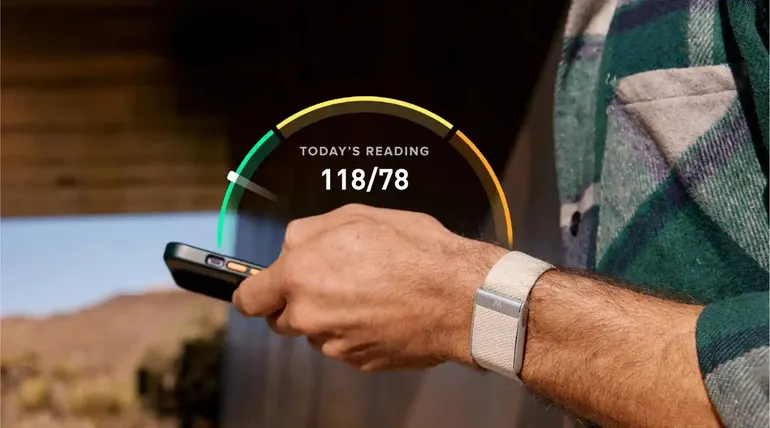
In a significant regulatory shift that carries profound implications for the multi-billion-dollar consumer health technology sector, the U.S. Food and Drug Administration (FDA) has softened its regulatory grip on blood pressure monitoring features in wellness wearables. The policy pivot, outlined in guidance issued this January, marks a rare victory for fitness-tracking companies like Whoop, which have long grappled with the blurred line between lifestyle metrics and clinical diagnostic tools.
The decision concludes a high-stakes standoff between the federal agency and Whoop, following a contentious warning letter issued in July 2024. The dispute centered on whether blood pressure—a vital sign traditionally reserved for clinical settings—could be categorized as a general "wellness" metric, or if it inherently constitutes a medical device requiring rigorous FDA clearance.
A Chronology of the Dispute
The tension between Whoop and the FDA did not emerge in a vacuum. It was the culmination of a broader industry trend toward "clinical-grade" features in consumer hardware.
- Mid-2023: Whoop launched its "Blood Pressure Insights" feature, a non-invasive tool utilizing the device’s optical sensors to estimate systolic and diastolic blood pressure based on heart rate variability and blood flow patterns during sleep.
- July 2024: The FDA issued a formal warning letter to Whoop. The agency contended that blood pressure is fundamentally linked to medical diagnosis, arguing that the company’s marketing of the feature crossed the threshold into medical device territory without proper authorization.
- Late 2024: The warning letter triggered widespread industry debate. Many medtech experts predicted Whoop would be forced to disable the feature entirely, citing the FDA’s history of strict enforcement regarding vital sign tracking.
- January 2025: In a surprise reversal, the FDA released updated guidance, explicitly clarifying that blood pressure measurements—when utilized for general wellness purposes and not for clinical diagnosis—do not require medical device regulation.
- Present Day: Whoop continues to operate the feature, albeit with modified interface boundaries to ensure users do not conflate their wellness estimates with clinical blood pressure screenings.
The Science of Wellness: Decoding Whoop’s Methodology
At the heart of the debate was the distinction between a "clinical measurement" and a "wellness estimate." Whoop’s technology does not use the traditional inflatable cuff mechanism found in medical offices. Instead, it employs photoplethysmography (PPG) and advanced algorithms to analyze peripheral blood flow.
How the Data Works
Whoop’s system analyzes physiological data collected during deep sleep, a period when the body is in a stable, baseline state. By correlating pulse wave velocity and heart rate patterns, the company provides users with a daily estimate.
Critics, including some within the FDA’s initial review board, expressed concern that users might interpret these estimates as absolute health data. If a user receives a "high" reading, they might mistakenly believe they are suffering from hypertension, leading to unnecessary medical consultations or, conversely, a dangerous dismissal of actual medical symptoms.
Mitigation Strategies
To satisfy the FDA’s concerns following the warning letter, Whoop implemented specific UI/UX changes. A company spokesperson confirmed that they adjusted "dial boundaries" and added prominent disclaimers. These modifications were designed to steer users away from viewing the feature as a diagnostic tool. By shifting the presentation from a precise clinical "number" to a directional "trend" or "insight," Whoop effectively repositioned the feature as a lifestyle awareness tool rather than a diagnostic one.
Official Responses and Strategic Defiance
The resolution of this conflict was not a matter of quiet settlement but a public display of strategic defiance by Whoop’s leadership. CEO Will Ahmed took a notably vocal stance, utilizing LinkedIn to challenge the prevailing industry consensus.
"When the FDA first issued the warning letter, many experts advised Whoop that removing the feature was the only path forward," Ahmed wrote. "But we believed in the strength of our science and our responsibility to the members who rely on it."
Ahmed’s narrative frame was one of technological progress meeting regulatory inertia. He argued that the democratization of health data is a net positive for public health, provided that companies remain transparent about the limitations of their hardware. By refusing to pull the feature, Ahmed gambled on the FDA’s eventual willingness to modernize its definitions.
From the FDA’s perspective, the guidance issued in January represents a pragmatic adjustment. The agency has historically struggled to keep pace with the rapid innovation cycles of wearable technology. By creating a safe harbor for "wellness-only" monitoring, the FDA is essentially outsourcing the responsibility of interpretation to the consumer and the manufacturer, provided the marketing does not claim to treat, cure, or diagnose disease.
Implications for the Medtech Landscape
The ripple effects of this decision will likely be felt across the wearable industry, impacting companies from Apple and Garmin to Oura and Fitbit.
1. The Lowering of Barriers to Entry
For startups, the FDA’s clarification provides a clearer roadmap. Companies can now develop features that track vital signs with the knowledge that they can exist in the "wellness" space without the multi-year, multi-million-dollar cost of 510(k) medical device clearance, provided they avoid clinical claims.
2. The Marketing Tightrope
While the regulatory barrier is lower, the legal liability remains high. Manufacturers must now walk a delicate line. Marketing materials must be carefully scrubbed of any language that suggests a diagnostic capability. Phrases like "blood pressure monitor" are likely to be replaced by "blood pressure insights" or "cardiovascular trends." Any slip-up in advertising could result in a new wave of enforcement actions.
3. The Future of Regulated Medtech
Despite the victory, Whoop has signaled that it does not intend to remain solely in the "wellness" lane. Ahmed noted that the company looks forward to working with the FDA as it brings more "regulated medical technologies" to market. This indicates that Whoop’s long-term strategy involves a hybrid model: keeping its wellness features while simultaneously pursuing formal FDA approval for specific diagnostic tools.
This hybrid approach may become the gold standard for the industry. By separating "wellness" features from "regulated" ones, companies can continue to offer high-engagement lifestyle tools while building the clinical credibility required to be taken seriously by the healthcare system at large.
Analyzing the Risks: The "False Sense of Security" Problem
While the industry celebrates this shift, public health advocates remain cautious. The primary concern is the potential for a "false sense of security." If a user relies on a wearable estimate that fails to detect a genuine clinical spike in blood pressure, the consequences could be severe.
Dr. Elena Rossi, a cardiologist not involved in the Whoop case, noted, "The danger isn’t necessarily the device itself, but the user’s lack of medical context. Blood pressure is highly variable. A single reading—or even a daily estimate—is not a replacement for a clinical examination by a physician. If the FDA’s new guidance leads to people skipping their doctor’s appointments because their watch says they are ‘fine,’ then we have a major public health issue on our hands."
Whoop and its peers argue that the alternative—no data at all—is worse. They posit that by tracking trends, users become more engaged with their cardiovascular health and are more likely to seek professional help when they see long-term deviations from their baseline.
Conclusion: A New Era of Health Empowerment
The Whoop-FDA saga is a microcosm of the current state of digital health. It highlights the friction between the fast-moving world of software engineering and the slow, deliberate pace of federal regulation.
By defining the boundaries for wellness-based monitoring, the FDA has provided a framework that encourages innovation while maintaining a semblance of control. For Whoop, the ability to retain its blood pressure insights feature is a significant validation of its product roadmap. For the broader industry, it is a green light to continue exploring the frontier of consumer-driven health diagnostics.
As the lines between our gadgets and our physicians continue to blur, the ultimate responsibility will rest on the shoulders of the users. The "wellness" label is, in essence, a warning: this is for your information, not for your prescription. Whether consumers can maintain that distinction as devices become increasingly sophisticated remains the next great challenge for the health technology sector.
For now, Whoop has secured its position as a pioneer in this new regulatory climate, setting a precedent that will shape the development of wearable technology for the next decade. The company’s trajectory suggests that the future of medicine may not be found solely in a lab, but on the wrist of the consumer, provided they know how to interpret the data they are being given.