By Gwendolyn Wu
Published June 25, 2026
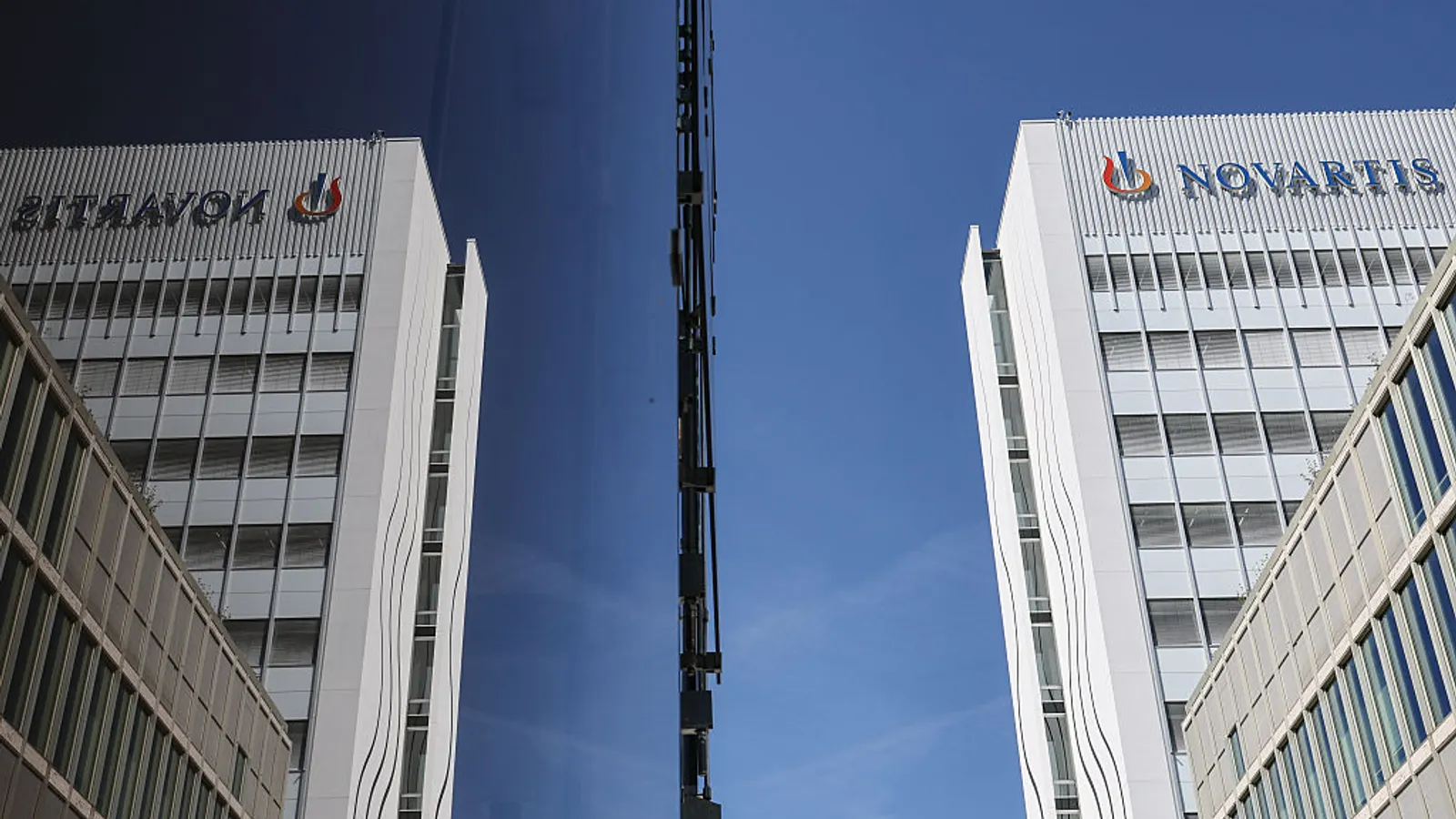
In a move that signals a refined, surgical approach to its massive oncology portfolio, Swiss pharmaceutical giant Novartis has entered into a strategic collaboration with Antares Therapeutics, a burgeoning biotech spinout from Scorpion Therapeutics. The deal, announced mid-week, represents a departure from the high-velocity, multibillion-dollar acquisition spree that defined the company’s strategy between 2024 and early 2026. Instead, Novartis is opting for a collaborative model, betting on the specialized drug discovery engine of a young firm to bolster its precision medicine pipeline.
The Core Partnership: Accelerating Precision Oncology
The collaboration focuses on leveraging Antares’ proprietary platform for the discovery and development of small-molecule cancer therapies. While financial terms of the deal were not disclosed, the implications for both parties are significant. For Antares, a company that launched only last year, the partnership provides an immediate "seal of approval" from a global leader in oncology. For Novartis, it offers a de-risked pathway to innovative assets without the overhead of a full-scale corporate acquisition.
Adam Friedman, CEO of Antares, framed the partnership as a catalyst for efficiency. "This collaboration lets us scale our discovery engine alongside Novartis’ world-class development capabilities and global reach," Friedman said. "It enables us to translate our science into transformative therapies for patients faster than either of us could alone."
A Chronology of Novartis’ Strategic Evolution
To understand the significance of the Antares deal, one must look at the broader arc of Novartis’ corporate strategy over the past three years.
- 2024: The Year of Aggressive Consolidation: Novartis began an ambitious campaign to dominate the oncology landscape. Key milestones included the $2.9 billion acquisition of MorphoSys, aimed at bolstering its hematology portfolio, and the acquisition of Mariana Oncology for $1.75 billion, which brought a suite of radiopharmaceutical assets into the Novartis fold.
- 2025: The Integration Phase: Throughout the following year, the company focused on folding these massive acquisitions into its existing infrastructure. During this period, leadership faced scrutiny from investors regarding the long-term ROI of such rapid spending.
- 2026: The Shift to Precision Partnerships: The current year has seen a marked slowdown in large-scale M&A activity. Novartis has pivoted toward smaller, more targeted collaborations. The Antares deal is a prime example of this "smart-sourcing" strategy, where the company seeks to harvest high-potential candidates from lean, agile biotech startups rather than acquiring entire organizations.
Supporting Data: Why Antares?
Antares Therapeutics is not merely a random selection; it is a company built on the surplus of scientific discovery. When Eli Lilly secured a landmark deal with Scorpion Therapeutics—a transaction worth up to $2.5 billion—several promising assets were left in the wake of the acquisition. Antares was effectively formed to house and advance these "orphaned" but high-value drug candidates.
The biotech’s core value proposition lies in its drug discovery engine, which focuses on "undruggable" cancer targets. While the company has remained tight-lipped regarding the specific molecules in its pipeline, industry analysts suggest that their platform excels at identifying small molecules that can modulate protein-protein interactions—a notoriously difficult task in oncology.
The company’s pedigree is further validated by its existing roster of high-profile partners:

- Pierre Fabre Laboratories: Currently conducting trials on two non-small cell lung cancer (NSCLC) therapies derived from Antares’ research.
- AstraZeneca: A legacy relationship dating back to the company’s origin as part of the Scorpion Therapeutics ecosystem, providing a foundation of credibility in the oncology space.
Antares is currently moving its lead precision oncology candidate toward clinical trials, with an expected entry into human testing by the end of 2026.
Official Responses and Industry Outlook
The industry reaction to the deal has been largely positive, reflecting a growing consensus that the "big pharma" model of buying companies for their entire pipeline is becoming increasingly inefficient.
"Novartis is demonstrating a level of maturity that is often lost in the excitement of a bull market," says Dr. Elena Vance, a senior pharmaceutical analyst. "By choosing to collaborate with Antares, they are effectively outsourcing the high-risk, high-reward early-stage discovery process while maintaining their focus on the late-stage development and global commercialization where they excel."
For Novartis, the challenge remains the integration of these disparate technologies into a unified therapeutic strategy. The company has repeatedly stated its goal of becoming a "pure-play" innovative medicines company, and the Antares deal fits perfectly into this narrative.

Friedman’s team at Antares, meanwhile, remains focused on execution. The pressure is on to prove that their platform can produce a molecule that survives the transition from bench to bedside. With the backing of Novartis’ regulatory and clinical infrastructure, the path to the clinic is significantly smoothed.
Implications for the Oncology Landscape
The implications of this deal extend far beyond the two companies involved.
- The Rise of the "Discovery-as-a-Service" Model: As biotech funding becomes more selective, startups that offer highly specific, platform-based discovery engines are becoming more attractive to big pharma than those trying to build out full, vertically integrated pharmaceutical companies.
- De-risking the Pipeline: By utilizing partnerships like this one, large pharmaceutical firms can maintain a diverse, early-stage pipeline without inflating their balance sheets with the liabilities of smaller companies.
- The Persistence of Precision: The focus on precision oncology—targeting the specific genetic or molecular drivers of a patient’s tumor—remains the gold standard. The Antares/Novartis deal reinforces the market’s commitment to personalized medicine, suggesting that the era of "one-size-fits-all" chemotherapy is firmly in the rearview mirror.
As the industry moves into the second half of 2026, the success of the Antares-Novartis collaboration will be closely monitored. If successful, it could serve as a template for future deals—a blueprint for how the world’s largest pharmaceutical companies can stay nimble in an increasingly complex and competitive medical landscape.
For now, the deal serves as a testament to the fact that while the era of the "mega-merger" may be cooling, the hunt for the next generation of cancer-fighting breakthroughs is more active than ever. The question remains: can this new, collaborative model yield the transformative therapies that patients so desperately need? The data from the clinic, expected late this year and into 2027, will provide the final answer.