








By Investigative Staff
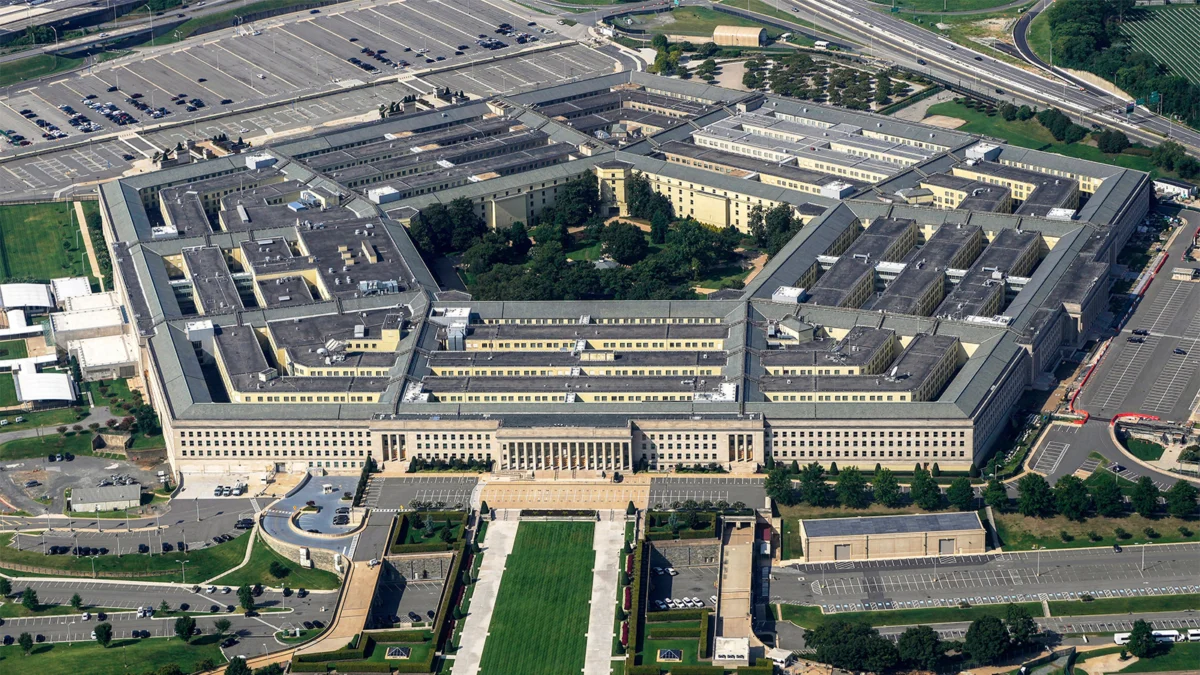
The Pentagon announced on Wednesday that military boot camps across all services have been granted authorization to reinstate mandatory influenza vaccinations for new recruits. This policy shift marks a significant reversal of a directive issued in late April by Defense Secretary Pete Hegseth, which had transitioned the annual flu shot from a requirement to an optional health measure. The decision to restore the mandate comes amid a severe, weeks-long influenza outbreak at the U.S. Air Force’s basic training facility at Lackland Air Force Base in Texas, which has infected nearly 300 trainees.
The Context of the Policy Shift
In April, Defense Secretary Pete Hegseth initiated a broad policy change across the Department of Defense, citing the principles of "medical autonomy" and religious freedom as the primary drivers for making the flu vaccine optional for military personnel. At the time of the rollout, the Pentagon provided military services a 15-day window to apply for exceptions, allowing them to petition for the authority to keep the vaccine mandatory if they deemed it operationally necessary for force readiness.
The recent confirmation by a Pentagon official—who spoke on the condition of anonymity—indicates that the approval for these exceptions was finalized in early June. While the timing aligns closely with the surge of illness at Lackland, the official maintained that the decision to grant the exceptions was a culmination of the standard administrative review process and was "coincidental" to the viral outbreak.
Despite this official stance, the data from the ground suggests a clear correlation between the drop in vaccination rates and the uptick in illness. A source familiar with the internal metrics at Lackland reported that after the mandate was lifted in April, only 40% of new trainees opted to receive the influenza vaccine. In a high-density, high-stress training environment, this drop in herd immunity appears to have created an opening for the virus to circulate with greater ease.
Chronology of the Lackland Outbreak
The outbreak at Lackland Air Force Base, a facility that processes approximately 700 new recruits weekly, serves as a stark case study in the risks associated with communal living in a military context.
- Late April: Defense Secretary Hegseth announces the repeal of the mandatory flu vaccine mandate, citing personal and religious freedom.
- Early May: As the new policy takes effect, voluntary vaccination rates at Lackland drop to 40%.
- Mid-May: Initial reports of "influenza-like illness" begin to emerge among recruits.
- Late May to Early June: The infection rate accelerates. The close-quarters nature of boot camp—where recruits sleep in open bays, share communal showers, and engage in high-intensity instruction—facilitates rapid transmission.
- Early June: The outbreak reaches a peak of 275 confirmed cases, as disclosed by Rep. Joaquin Castro (D-Texas).
- Wednesday: The Pentagon confirms that all service branches have been granted exceptions to the "optional" policy, effectively reinstating the mandate for all boot camp recruits.
The Environment of Risk: Why Military Bases are Vulnerable
The environment of a basic training boot camp is uniquely structured to test physical and mental endurance, but it is also biologically unforgiving. Recruits are subjected to extreme stressors: limited sleep, intense physical exertion, and constant, close-contact interaction with hundreds of peers.
"The architecture of basic training is effectively a closed ecosystem," explains a military health analyst. "When you place hundreds of individuals from diverse geographic locations into a single, high-density environment, you create a perfect medium for infectious diseases."
Because recruits sleep in large, open-bay barracks and share facilities for dining and training, the physical barriers to viral spread are virtually non-existent. In such environments, the influenza virus does not require seasonal cold weather to thrive. While flu is colloquially associated with the autumn and winter months, medical experts note that concentrated outbreaks can—and do—occur in the spring and summer when susceptible populations are clustered together.
Expert Perspectives on Public Health
Dr. Arnold Monto, a renowned flu expert and professor emeritus at the University of Michigan, has characterized the Lackland outbreak as a predictable consequence of low vaccination coverage in group settings.
"When you have a congregate setting, the risk profile changes entirely," Dr. Monto said. "While this specific outbreak is not ‘unusually concerning’ in the context of viral evolution, it is a textbook example of why herd immunity is critical. If you want to prevent these clusters, it is especially necessary to vaccinate when there are group settings."
Dr. Monto noted that while the flu virus circulates at lower levels during warmer months, it remains an ever-present threat. The military’s decision to rescind the mandate effectively removed the primary prophylactic shield for these trainees.
Official Responses and Branch-Specific Policies
The Pentagon’s top spokesman, Sean Parnell, confirmed in a formal statement that the Department of Defense has granted vaccination exceptions to the Army, Navy, and Air Force, as well as the National Security Agency and the Defense Health Agency. While the statement lacked granular detail regarding the scope of these exceptions, representatives from the various service branches have begun to clarify their internal protocols.
Both Army and Navy officials have indicated that they intend to use this new authority to establish mandatory vaccination tiers. These tiers will likely prioritize personnel who are deploying to overseas theaters, healthcare workers, and staff who provide direct childcare services on bases. This nuanced approach suggests that while the "optional" policy may persist for the general population, the military is moving toward a risk-based model for vaccine compliance.
Implications for Military Readiness and Advocacy
The reinstatement of the mandate has drawn praise from organizations like Families Fighting Flu, which has long campaigned for robust immunization protocols within the military.
"For decades, the military prioritized the health and safety of troops and the public by requiring the flu vaccine for recruits," said Michele Slafkosky, executive director of the advocacy group. "It is unfortunate that more than 200 individuals at Lackland Air Force Base in Texas became ill when that requirement was rescinded. This updated guidance from the military will save lives and ensure that operational readiness is not compromised by preventable illness."
The broader implications of this reversal extend beyond the current flu season. The episode has sparked a debate within the Pentagon regarding the balance between individual "medical autonomy" and the collective requirement for a healthy, deployable force. By allowing the services to reinstate the mandate, the Department of Defense is effectively acknowledging that while philosophical arguments for choice hold weight, they cannot be allowed to degrade the operational integrity of the armed forces.
Moving Forward: The Future of Military Health Policy
As the Pentagon transitions back to a mandate-heavy framework for recruits, questions remain about how the Department of Defense will manage potential pushback from personnel who were emboldened by the initial repeal in April. However, military leadership appears focused on the empirical reality of the Lackland outbreak.
The data provided by the Air Force—showing that the vaccination rate plummeted to 40% before the surge in cases—serves as a cautionary tale. For military commanders, the priority remains the "mission first" doctrine. Whether or not individual autonomy will continue to be a pillar of the Hegseth-era policies, the move to reinstate the mandate confirms that, in the context of national security, the necessity of maintaining a healthy force remains the preeminent concern of the U.S. military.
Moving forward, the Pentagon will likely face increased scrutiny regarding how it manages the tension between its current leadership’s ideological commitments and the pragmatic requirements of public health in high-density military environments. For now, the mandate stands, and thousands of recruits entering the pipeline in the coming months will once again be required to receive the flu vaccine, a return to the long-standing standard that has defined military health policy for over a generation.