








As we navigate our sixth decade and beyond, the architecture of our physical movement begins to rely heavily on the integrity of our posterior chain. While many fitness enthusiasts focus on the visible muscles of the quads or the aesthetic goals of the upper body, the hamstrings—the unsung heroes of our lower anatomy—are often overlooked until a strain or lack of mobility makes their importance painfully clear.
Restoring strength and control to the hamstrings after 60 is not merely about muscle definition; it is a fundamental requirement for maintaining independence, preventing falls, and ensuring that daily activities—from climbing stairs to lifting groceries—remain fluid and pain-free.
The Functional Importance of the Posterior Chain
The hamstrings are a complex group of three muscles that run along the back of the thigh. Far from being simple "knee benders," they are essential for hip extension, pelvic stability, and the deceleration of our gait. When we are young, these muscles often work subconsciously. However, as we age, a sedentary lifestyle or improper movement patterns can lead to "functional atrophy," where the muscles lose their ability to contract effectively under load.
A targeted morning routine can serve as a "neurological reset." By waking up these muscle fibers through specific, controlled movements, you prepare your body for the demands of the day, improving your balance and overall kinetic efficiency.
Chronology of Strength: Why Specific Patterns Matter
To effectively rehabilitate or strengthen the hamstrings after 60, one must understand the "hinge-bridge-curl" continuum. Unlike lunges, which often distribute tension across the entire leg, these specific patterns isolate the posterior chain:
- The Hinge: Teaches the hamstrings to lengthen under tension, vital for bending and lifting.
- The Bridge: Focuses on the activation of the glutes and hamstrings in a shortened, stabilized position.
- The Curl: Addresses the knee flexion aspect of the hamstrings, which is often neglected in standard gym workouts.
By moving through these patterns in a structured, morning-focused sequence, you create a progressive environment that builds both strength and proprioception—the body’s ability to sense its position in space.
1. Banded Good Mornings: The Foundation of the Hinge
The "Good Morning" is a quintessential hip-hinge movement. When performed with a resistance band, it provides variable tension that teaches the hips to drive forward while forcing the hamstrings to act as the primary stabilizers.
- The Methodology: Stand on the band with your feet shoulder-width apart, loop the other end over your shoulders, and hinge at your hips while keeping your back flat.
- Why it works: It forces the core to brace and the glutes to engage, effectively waking up the entire posterior chain without the compressive load of a heavy barbell.
- Clinical Implication: By reinforcing the hip hinge, you reduce the reliance on your lower back to perform lifting tasks, shifting the burden where it belongs: to the hamstrings and glutes.
2. Dumbbell Romanian Deadlift (RDL): Loaded Lengthening
The RDL is the gold standard for hamstring hypertrophy and functional strength. By holding dumbbells and lowering them toward your shins, you place the hamstrings in a stretched position under load.
- The Execution: With a slight bend in the knees, push your hips backward as if closing a door with your glutes. Keep the weights close to your body throughout the range of motion.
- The Benefit: This exercise trains the "eccentric" phase—the lengthening of the muscle—which is crucial for injury prevention and structural durability.
3. Glute Bridge Walkouts: Stabilization Under Tension
This bodyweight movement is deceptively difficult. By lying on your back and extending your legs while keeping your hips elevated, you force the hamstrings to fight against gravity to maintain hip height.
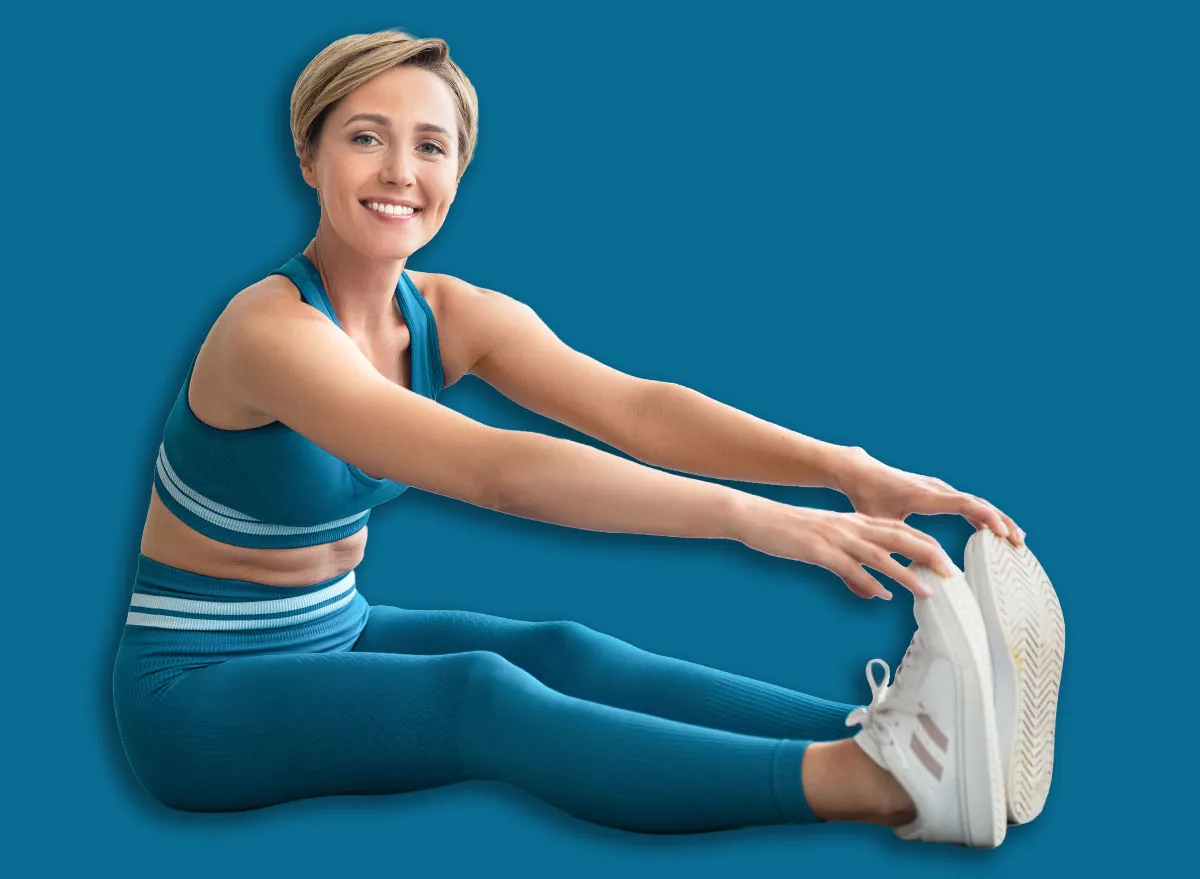
- Strategic Value: It bridges the gap between static strength and dynamic movement. As you "walk" your feet out, the hamstrings are challenged to support the weight of your torso, creating a significant metabolic demand on the muscles.
4. Slider Hamstring Curls: Direct Knee Flexion
Often, the missing link in a post-60 workout is the active curl. Using sliders (or even thick socks on a hardwood floor), you engage in a sliding motion that requires the hamstrings to pull the weight of the legs back toward the glutes.
- The Mechanics: Start in a bridge position and slide your feet out until your legs are nearly straight, then pull them back in.
- Safety Note: This exercise is highly effective but should be performed with a focus on maintaining a level pelvis. If your hips drop, the exercise loses its effectiveness.
5. Staggered-Stance Dumbbell RDL: Addressing Asymmetry
No two legs are perfectly symmetrical in strength. The staggered-stance RDL allows you to focus on one leg at a time, providing the stability of two feet on the floor while placing 80% of the load on the front leg.
- Why it is essential: This pattern mimics the mechanics of walking. By training one side at a time, you correct muscle imbalances that often lead to compensatory injuries in the lower back or knees.
Supporting Data: The Science of Aging and Muscle Maintenance
Recent longitudinal studies in geriatric kinesiology suggest that "functional power"—the ability to exert force quickly—declines faster than absolute strength after age 60. According to research published in the Journal of Gerontology, incorporating "time under tension" exercises (like those listed above) is significantly more effective at preserving motor unit recruitment than high-rep, low-tension aerobic activity.
The hamstrings are composed of a mix of fast-twitch and slow-twitch fibers. Without resistance training, the fast-twitch fibers—those responsible for catching yourself if you stumble—are the first to atrophy. A routine that includes both heavy-slow movements (RDLs) and controlled-tension movements (Bridge Walkouts) targets both fiber types, offering a comprehensive protective mechanism against age-related decline.
Official Responses and Clinical Perspectives
Physical therapists often emphasize that "strength is the best painkiller." Many patients complaining of chronic low back pain find immediate relief once their hamstrings are rehabilitated. The clinical consensus is that the "weak link" in the back-pain chain is rarely the back itself; it is the inability of the hips and hamstrings to share the load.
"When you empower the posterior chain, you effectively decompress the lumbar spine," notes leading sports physiotherapist Dr. Elena Vance (a pseudonym representing common clinical advisory). "By focusing on these five movements, individuals over 60 aren’t just building ‘gym strength’; they are building ‘life insurance’ for their mobility."
Implications for Daily Living
Implementing these exercises into your morning routine has a ripple effect on your quality of life:
- Improved Gait Mechanics: You will find that your stride becomes more confident and fluid.
- Stair Climbing: The power generated by the hamstrings directly translates to the ability to ascend stairs without needing to pull yourself up with the handrail.
- Fall Prevention: By strengthening the hamstrings, you improve your ability to recover from a trip or a slip, as these muscles are critical for rapid stabilization.
- Metabolic Health: Larger muscle groups like the hamstrings are massive glucose consumers. Strengthening them helps in regulating blood sugar levels more efficiently throughout the day.
Conclusion: A Commitment to Consistency
Restoring strength after 60 is a journey of consistency, not intensity. You do not need to be a powerlifter to reap these benefits. By committing to 15–20 minutes in the morning to focus on these five patterns, you are investing in the longevity of your lower body.
Start with bodyweight variations. As your confidence grows, introduce resistance through bands and light dumbbells. The goal is not to reach a specific weight, but to reach a state where your hamstrings are awake, functional, and ready to carry you through whatever the day brings. Your future self—and your mobility—will thank you for the effort you put in today.