









In the evolving landscape of nutritional science, the mantra of "five-a-day"—the long-standing public health recommendation to consume five portions of fruits and vegetables daily—has become a cornerstone of global dietary advice. However, a landmark international study published on June 8, 2026, in the journal Food and Function suggests that while the quantity of produce we consume matters, the quality and specific variety of those choices may be the missing link in our fight against cardiovascular disease.
The study, a collaborative effort involving researchers from the University of Reading, Harvard Medical School, the University of California Davis, and Mars, Inc., reveals a startling reality: even those who diligently adhere to traditional healthy eating guidelines are largely failing to consume adequate levels of flavanols—bioactive compounds that are increasingly recognized as vital for heart health.
The Flavanol Deficit: A Global Health Challenge
Flavanols are a group of phytonutrients found naturally in a variety of plant-based foods. They have long been lauded for their antioxidant properties and their ability to improve vascular function. Yet, despite their potential, this latest research indicates that the vast majority of the population is falling significantly short of the intake levels associated with clinical heart health benefits.
The Scope of the Study
To reach these conclusions, researchers analyzed comprehensive dietary data from over 30,000 individuals across the United Kingdom and the United States. Unlike traditional studies that rely solely on self-reported food diaries—which are notoriously prone to recall bias—this study utilized advanced biomarker measurements to objectively assess the actual absorption and metabolic presence of flavanols in the participants’ systems.
The findings were sobering. The data revealed that fewer than 20% of the study participants reached the flavanol intake levels necessary to achieve the heart-protective benefits identified in previous large-scale clinical trials. Perhaps most concerning was the discovery that many individuals who successfully met the "five-a-day" threshold were still not consuming enough flavanols, suggesting that the current nutritional framework may be missing critical nuances regarding the biochemical composition of our produce.
Chronology of Discovery: From Clinical Trials to Public Health
The journey toward understanding the importance of flavanols has been a multi-year scientific endeavor. To understand the gravity of the 2026 findings, one must look at the progression of the research.
- Pre-2020: Early observational studies began to link high-flavanol diets (rich in berries, cocoa, and tea) to lower rates of hypertension and improved endothelial function.
- The COSMOS Study: The Cocoa Supplement and Multivitamin Outcomes Study (COSMOS) served as a major turning point. As the largest clinical trial to examine flavanols, it provided the first robust, large-scale evidence that a daily intake of 500 milligrams of flavanols significantly reduces the risk of cardiovascular-related mortality.
- 2023–2025: Researchers began shifting their focus from broad dietary patterns to specific biomarkers. They sought to determine how these compounds are metabolized and why certain populations seem to derive more benefit from plants than others.
- June 8, 2026: The Food and Function report is released, synthesizing data from 30,000 individuals. It confirms that the standard "healthy" diet often lacks the specific concentration of flavanols required to reach the 500mg/day target established by the COSMOS trial.
Supporting Data: Why Specific Choices Matter
The study emphasizes that not all fruits and vegetables are created equal when it comes to their phytonutrient profiles. While an apple is certainly healthier than a processed snack, it may not contribute as significantly to one’s flavanol intake as a serving of blackberries or a cup of green tea.
The "Flavanol-Rich" Hierarchy
The researchers identified specific dietary sources that offer the highest "bang for your buck" regarding flavanol concentration. Integrating these into a daily routine could drastically improve heart health outcomes:
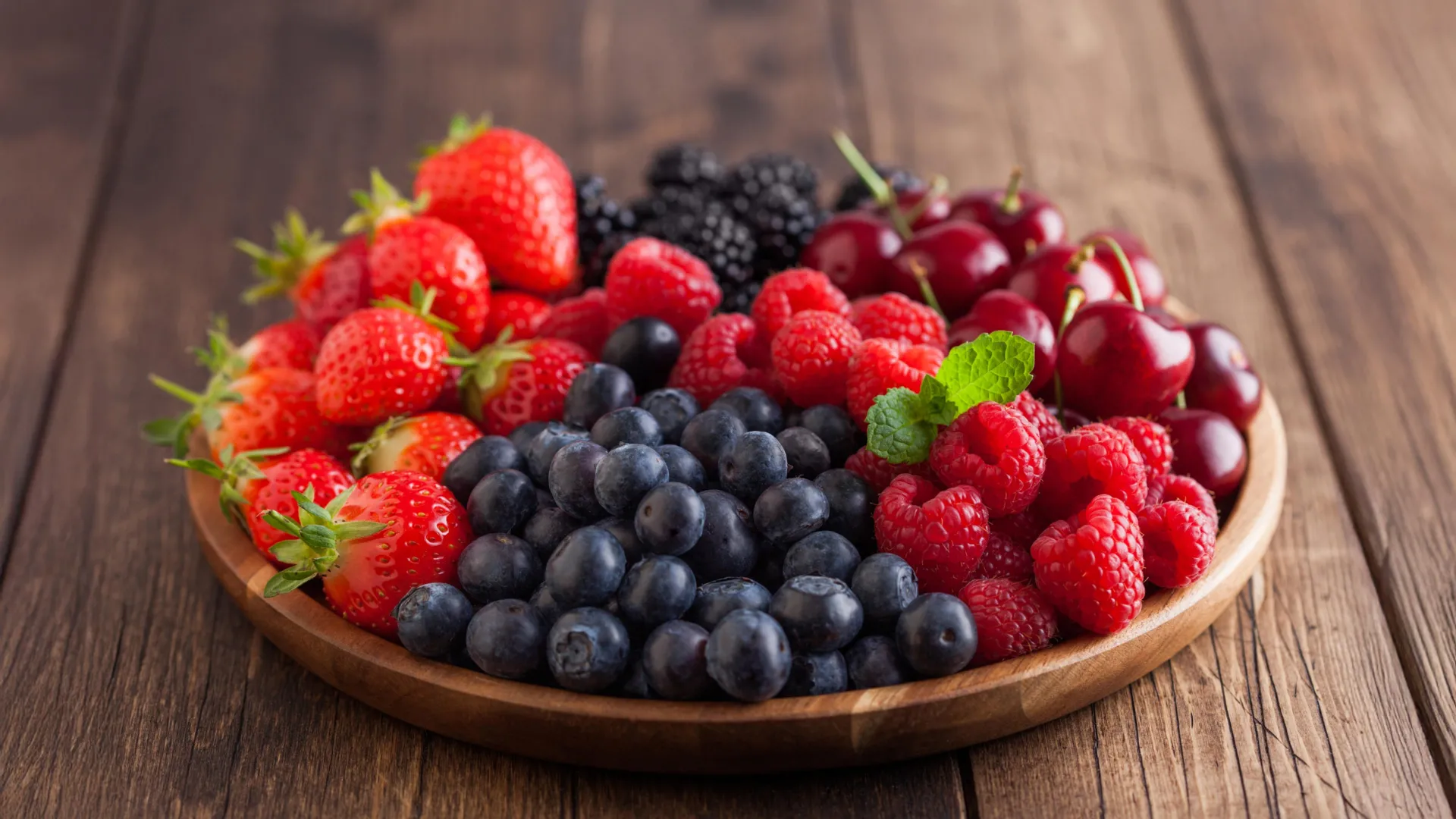
- Blueberries and Blackberries: These dark-pigmented berries are powerhouses of flavanols.
- Plums: Often overlooked, plums provide a dense source of these compounds.
- Cherries: Particularly tart varieties have been shown to contain high levels of beneficial bioactives.
- Broad Beans (Fava Beans): A surprising but essential addition to the list for those seeking plant-based flavanols.
- Green Tea: Perhaps the most accessible source, green tea acts as a liquid delivery system for these compounds, making it easy to integrate into daily meals.
Dr. Javier Ottaviani, the study’s lead author, underscores the importance of these choices. "Most people assume that eating plenty of fruit and vegetables covers this," Dr. Ottaviani explained. "But what this research shows is that the specific choices you make matter far more than the total amount. Including a handful of blackberries, a whole apple, or having a cup of green tea alongside your meal could make a real difference to how much of these beneficial compounds you actually consume and absorb."
Official Responses and the Future of Nutrition
The publication of this study has sparked a debate among public health officials regarding the efficacy of current dietary guidelines, such as the NHS Eatwell Guide and the U.S. Dietary Guidelines for Americans.
The Call for Refined Guidelines
Professor Gunter Kuhnle of the University of Reading has been a vocal proponent of updating these guidelines. "Five-a-day is the right message, but we may need to think more carefully about which five," Professor Kuhnle stated. "Different fruits and vegetables offer very different nutritional benefits beyond vitamins and minerals. As our understanding of these compounds grows, there is a real opportunity to make dietary guidance more specific and more effective."
The scientific community is now coalescing around the idea that "general wellness" advice is no longer sufficient. To combat the rising tide of cardiovascular disease, nutritionists argue that we must transition toward "precision nutrition"—a model where public health recommendations are informed by the specific density of health-promoting compounds rather than just generic food groups.
Implications for Public Health and Individual Habits
The implications of these findings are twofold: they represent a challenge for policymakers and an opportunity for consumers.
Policy Implications
If current guidelines are indeed failing to address the "flavanol gap," policymakers face the difficult task of updating public health messaging without overcomplicating it. The challenge lies in encouraging specific produce choices without making dietary advice feel exclusionary or elitist. Experts suggest that food labeling and public awareness campaigns could play a role in highlighting the "flavanol content" of produce, much like we currently display fiber or sugar content.
Practical Steps for Consumers
For the average individual, the advice is simple but actionable:
- Diversify your colors: Flavanols are often tied to the pigments in fruit skins. Deep purples, blues, and reds are generally strong indicators of high flavanol content.
- Pairing is key: The study suggests that pairing high-flavanol items with meals—such as drinking green tea alongside a meal or snacking on berries—can improve the absorption and consistency of intake.
- Move beyond the basics: While bananas and iceberg lettuce are healthy staples, they should not be the only sources of produce in one’s diet. Deliberately incorporating "super-sources" like cherries or broad beans can bridge the gap between "eating healthy" and "eating for heart health."
Conclusion: A New Era of Nutritional Awareness
The study published in Food and Function marks a pivot point in modern nutrition. By shifting the focus from the quantity of produce to the specific quality and phytochemical density of our food, researchers have provided a clear roadmap for improving cardiovascular health.
As we look toward the future, the message is clear: the "five-a-day" rule was a successful starting point for public health, but it is not the finish line. By choosing our fruits and vegetables with a more discerning eye—prioritizing those rich in flavanols like blueberries, plums, and green tea—we can take a significant step toward reducing the risk of heart disease and fostering a longer, healthier life. Science has given us the tools; now, the power rests in the choices we make in the produce aisle.