











Maintaining physical independence after the age of 60 is not merely about aesthetic fitness; it is a critical health mandate. As we age, the body undergoes physiological changes—specifically sarcopenia, or the age-related loss of muscle mass—that can compromise mobility, metabolic health, and bone density. However, emerging exercise science suggests that the most effective way to combat these declines is not through endless hours of isolation exercises, but through "compound movements."
By prioritizing exercises that engage multiple muscle groups simultaneously, individuals over 60 can achieve a higher "return on investment" for every minute spent training. This approach creates the repeatable, high-intensity signals required to stimulate muscle protein synthesis, ultimately supporting the functional demands of daily life.
The Science of Strength After 60: Core Principles
To understand why compound training is the gold standard for older adults, one must look at how the body responds to mechanical tension. When a muscle is challenged, it undergoes micro-tears that the body repairs, resulting in increased strength and fiber density. Compound movements—those requiring movement at two or more joints—recruit a larger volume of motor units compared to single-joint movements (like bicep curls or leg extensions).
Furthermore, compound exercises mimic the "movement patterns" of real life: squatting down to sit in a chair, hinging to pick up a grocery bag, or pushing a heavy door open. By training these patterns, you are not just building muscle; you are refining the neurological pathways that keep you mobile, balanced, and injury-free.
Chronology of Progress: Building a Sustainable Routine
Consistency is the ultimate driver of physiological change. Rather than viewing exercise as a grueling, weekly event, the modern approach is to view it as a daily strength checklist.
- Phase 1: Foundation (Weeks 1–4): Focus on movement quality. Prioritize bodyweight variations of these six exercises to master the mechanics.
- Phase 2: Progressive Overload (Weeks 5–12): Once form is mastered, introduce external resistance—dumbbells, kettlebells, or resistance bands. The goal is to reach a point of "perceived exertion" where the final two reps of each set feel difficult.
- Phase 3: Integration (Ongoing): Incorporate these moves into your daily schedule. This can be done as a full 30-minute routine or broken into "exercise snacks"—performing one or two moves during breaks throughout the day.
The Six Essential Compound Movements
1. The Goblet Squat: The King of Lower Body Strength
The goblet squat is arguably the safest and most effective way to train the lower body. By holding a weight at chest height, you act as a counter-balance, which forces the torso to remain upright and protects the lower back.
- Targeted Muscles: Quadriceps, glutes, hamstrings, core, and thoracic spine.
- Execution: Hold a kettlebell or dumbbell vertically against your sternum. With feet shoulder-width apart, sit your hips back and down as if aiming for a chair. Keep your chest high and drive through the mid-foot to stand.
- Why it works: It reinforces the "bracing" maneuver, which is essential for protecting the spine during heavy lifting in daily life.
2. Dumbbell Romanian Deadlift (RDL): The Hinge Pattern
Lower back pain is often a result of weak glutes and hamstrings. The RDL focuses on the "posterior chain," the muscles responsible for everything from standing tall to walking uphill.
- Targeted Muscles: Glutes, hamstrings, lower back, and grip strength.
- Execution: Hold a pair of dumbbells in front of your thighs. With a slight bend in the knees, push your hips backward as if closing a car door with your glutes. Lower the weights until you feel a deep stretch in the hamstrings, then return to a standing position.
- Why it works: It teaches the body to hinge at the hips rather than the waist, a critical skill for preventing spinal injury.
3. The Incline Push-Up: Accessible Upper Body Power
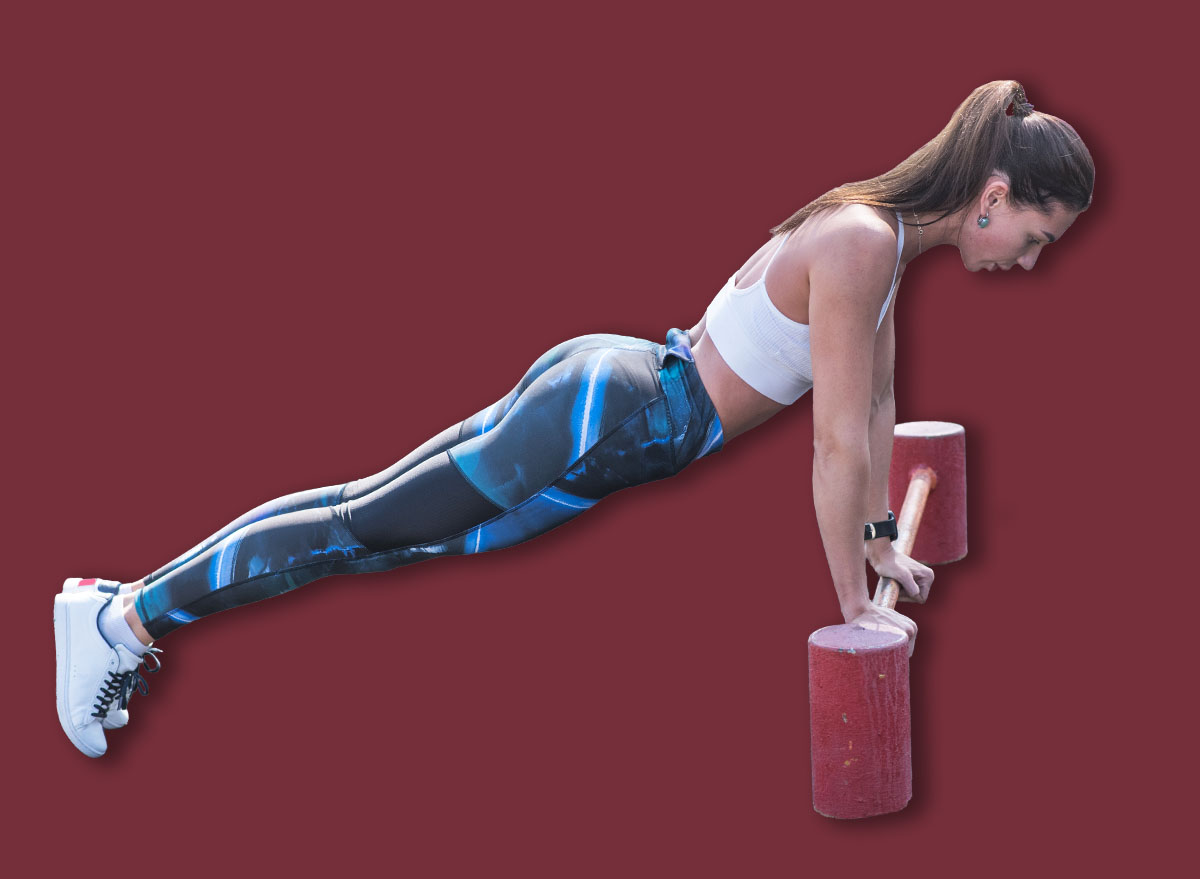
The horizontal push is essential for independent living, yet floor push-ups can be daunting. The incline variation allows you to adjust the difficulty by changing the height of the surface.
- Targeted Muscles: Pectorals, anterior deltoids, triceps, and core.
- Execution: Place your hands on a sturdy table, countertop, or wall. Maintain a straight line from your head to your heels. Lower your chest toward the surface, keeping your elbows tucked at a 45-degree angle, then press back to the start.
- Why it works: It builds functional pushing strength while engaging the core to maintain stability.
4. The Dumbbell Bent-Over Row: Postural Support
In a world of screens and sitting, the upper back is often neglected. Rows are the antidote to the "slumped" posture that often accompanies aging.
- Targeted Muscles: Lats, rhomboids, rear deltoids, and biceps.
- Execution: Hinge forward at the hips, keeping your back flat. With a weight in each hand, pull the elbows back toward your pockets, squeezing the shoulder blades together at the top of the movement.
- Why it works: Strengthening the back muscles prevents the forward-rounded shoulders that contribute to chronic neck and upper back discomfort.
5. Reverse Lunge to Curl: Multi-Joint Coordination
This movement combines leg strength with upper-body conditioning. By using a reverse lunge, you reduce the shear force on the knee compared to a forward lunge.
- Targeted Muscles: Glutes, quadriceps, biceps, and core.
- Execution: Step backward with one foot and lower your back knee toward the floor. As you return to a standing position, perform a bicep curl with weights held in your hands.
- Why it works: It forces the brain to coordinate balance while moving two separate body parts, which is the definition of functional agility.
6. The Suitcase Carry: Dynamic Stability
Often overlooked, the "carry" is one of the most effective ways to build "real-world" strength.
- Targeted Muscles: Obliques, grip, trapezius, and stabilizer muscles of the hip.
- Execution: Hold a heavy weight in one hand, standing perfectly upright. Walk for 30 seconds without letting your torso lean toward the weighted side. Switch hands and repeat.
- Why it works: It builds anti-lateral flexion strength, which is vital for preventing falls and maintaining balance when navigating uneven terrain.
Supporting Data and Clinical Implications
Research published in journals such as the Journal of Strength and Conditioning Research consistently demonstrates that adults over 60 who engage in resistance training show significant improvements in bone mineral density.
Furthermore, the "compound" nature of these exercises is linked to improved metabolic markers. By engaging large muscle groups, you increase the body’s insulin sensitivity, which helps manage blood sugar levels more effectively than isolated exercises. The implication is clear: building muscle is not just about vanity; it is a primary prevention strategy for metabolic syndrome and frailty.
Official Recommendations and Safety Guidelines
Before beginning any new regimen, consult with a physician or a physical therapist, especially if you have existing joint issues or cardiovascular concerns.
Key Safety Protocols:
- Progressive Loading: Never sacrifice form for weight. If you cannot complete a set with perfect form, reduce the load.
- The "Talk Test": You should be working hard enough that you are breathless, but not so hard that you cannot speak.
- Recovery: Muscle is built during rest. Ensure at least one full rest day between intense sessions to allow for tissue repair.
Final Implications for Longevity
The transition into your 60s and beyond should be viewed as a "second act" for your physical health. By incorporating these six compound movements into your weekly routine, you are doing more than just lifting weights; you are investing in your autonomy. These movements act as a hedge against the inevitable physical decline of aging, ensuring that your body remains a capable vessel for the activities you love.
Whether it is playing with grandchildren, traveling, or simply maintaining the ability to perform household chores, the strength gained through these compound patterns is the currency of an active, healthy life. Start slow, stay consistent, and remember: the best time to build strength is always today.