









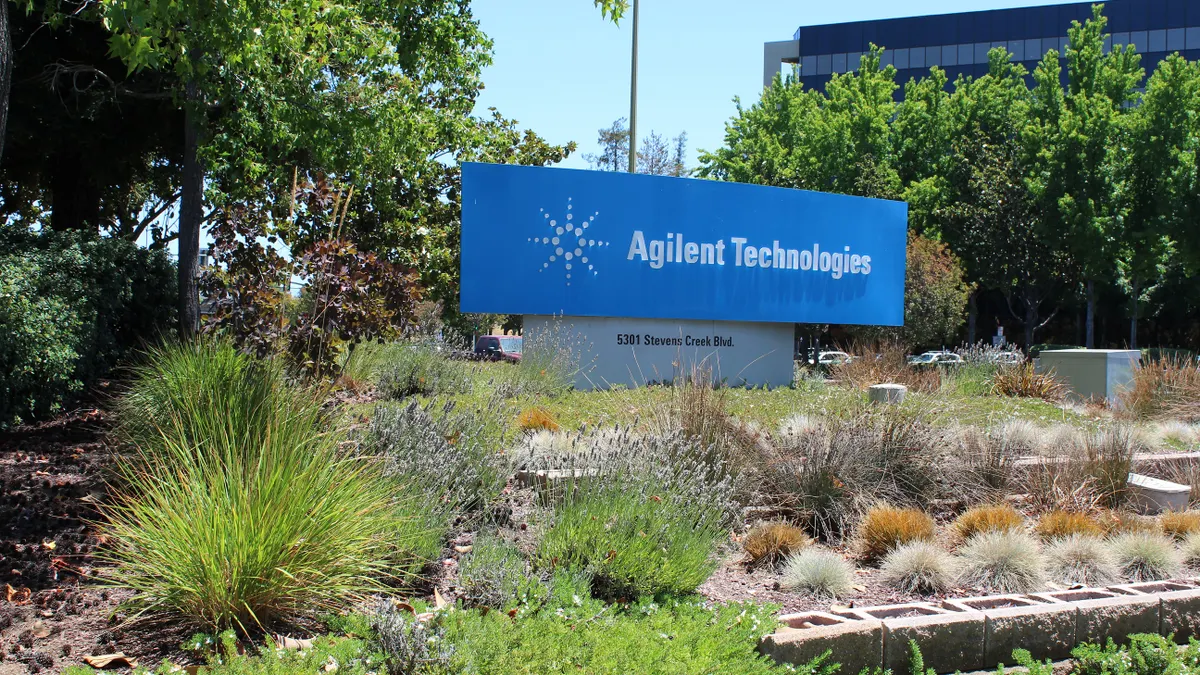
In a move designed to fortify its competitive positioning in the high-stakes oncology and infectious disease diagnostic markets, Agilent Technologies has officially announced its acquisition of Biocare Medical. The transaction, which integrates Biocare’s specialized low-throughput instrumentation and rapid innovation capabilities into Agilent’s expansive diagnostics portfolio, marks a significant milestone for the Santa Clara-based giant.
As Agilent seeks to capture a larger share of the global pathology market, the integration of Biocare is expected to provide the technological agility necessary to compete with industry titans such as Roche and Danaher’s Leica Biosystems.
Main Facts: The Strategic Rationale
The acquisition of Biocare Medical is not merely a product-line expansion; it is a calculated effort to fill a structural gap in Agilent’s existing diagnostics ecosystem. During a recent presentation at a Jefferies investor event, Agilent CFO Adam Elinoff outlined four primary drivers for the acquisition:
- Complementary Instrumentation: Agilent’s Dako product line has long been the gold standard for medium-throughput diagnostic workflows. However, the market for low-throughput, decentralized pathology labs remained underserved by Agilent. Biocare’s specialized instruments fill this niche, allowing Agilent to offer a tiered portfolio that scales to the specific needs of varying laboratory sizes.
- Geographic Synergies: While Biocare has made commendable efforts to penetrate the European market through intensive partner training and localized commercial activities, it lacked the logistical and regulatory infrastructure of a global conglomerate. Agilent plans to leverage its robust European network to supercharge Biocare’s international presence.
- Test Menu Expansion: In the diagnostics industry, the "name of the game" is the breadth and specificity of the test menu. By incorporating Biocare’s library of tests, Agilent enhances its ability to participate in large-scale global tenders, where hospitals and healthcare systems prioritize vendors that can provide a comprehensive "one-stop-shop" solution.
- Accelerated Innovation: Perhaps the most undervalued aspect of the deal is Biocare’s "innovation engine." Biocare has demonstrated a unique, high-efficiency model for developing new antibody tests—a capability that Agilent intends to utilize to shorten the development lifecycle for future diagnostic markers.
Chronology: The Path to Integration
The acquisition comes at a time when Agilent’s life sciences and diagnostics segment is exhibiting strong momentum. In the second quarter of fiscal year 2026, the segment reported a 12% year-over-year revenue increase, reaching $732 million.
The decision to acquire Biocare follows a period of rigorous internal analysis by Agilent’s leadership. While specific financial terms of the deal were not disclosed, the company has signaled that it expects the acquisition to be immediately accretive to top-line growth and margin expansion.
Looking forward, the integration timeline is as follows:
- Immediate Term: Agilent is currently focused on operationalizing the supply chain and integrating sales teams.
- 12-Month Horizon: The company anticipates the acquisition to begin contributing positively to earnings per share (EPS).
- Q3 Earnings Call: Agilent management has committed to providing a detailed breakdown of the financial impact and synergy expectations during its upcoming third-quarter earnings report.
Supporting Data: The Diagnostics Market Landscape
The global pathology and diagnostics market is undergoing a period of rapid transformation. With the rise of precision medicine and the increasing demand for targeted cancer therapies, the need for high-quality, reliable immunohistochemistry (IHC) and molecular diagnostic tools has never been greater.
Agilent’s Dako division, acquired in 2012, remains a cornerstone of its diagnostic success. By folding Biocare into this structure, Agilent is essentially attempting to "democratize" its high-end diagnostic capabilities. Whereas Dako has traditionally been the choice for large, centralized reference laboratories, the Biocare acquisition enables Agilent to capture the growing segment of smaller, hospital-based labs that require smaller footprints and lower operational overhead.
Financial analysts have noted that the "non-instrument revenue mix" is a critical metric for the company. By moving more Biocare instruments into the market, Agilent secures a long-term stream of recurring revenue from consumables, reagents, and specialized antibodies. This shift is expected to stabilize the division’s margin profile, insulating it from the cyclical volatility of capital equipment sales.
Official Responses and Strategic Vision
CFO Adam Elinoff has been transparent regarding the motivations behind this inorganic growth strategy. "We are looking at how to make our diagnostic offerings more accessible," Elinoff noted during the Jefferies event. "Biocare gives us the tools to compete in areas where we previously lacked the right instrument-to-workload ratio."
The acquisition also addresses the competitive pressure from industry giants. While companies like Roche and Danaher have spent decades building integrated workflows, Agilent’s ability to pivot and acquire niche players like Biocare allows it to maintain its competitive edge without the risks associated with internal R&D development cycles that may or may not reach commercialization.
Industry experts observe that this move is a classic "bolt-on" acquisition. By acquiring a company that already has a proven, efficient development engine, Agilent minimizes the risk of failure that often accompanies the internal creation of new diagnostic assays.

Implications: A New Era for Agilent Diagnostics
The implications of this acquisition extend well beyond the immediate financial impact. For the healthcare industry, the integration of Biocare into the Agilent family means more robust options for decentralized diagnostics. This is particularly vital in cancer research and infectious disease management, where the speed and accuracy of diagnostic results are paramount.
For Investors
Investors should look for updates in the upcoming third-quarter earnings call. Key performance indicators (KPIs) to watch include the speed of revenue synergy realization and the progress of the cross-selling initiatives between the Dako and Biocare sales channels. If Agilent can successfully scale Biocare’s innovation engine, it may set a new benchmark for how diagnostics companies consolidate their technological portfolios.
For the Pathology Community
Pathologists and laboratory directors can expect a more seamless experience in procurement and technical support. The integration of Biocare’s low-throughput systems with Agilent’s broader diagnostic support services suggests a commitment to providing scalable pathology solutions that don’t compromise on quality or scientific rigor.
Looking Ahead: The Future of Precision Medicine
As personalized medicine continues to advance, the demand for sophisticated diagnostic markers will only increase. Agilent’s strategy appears to be built on the premise that the future of diagnostics belongs to those who can master the entire workflow—from the initial biopsy to the molecular analysis and the final diagnostic report.
By securing Biocare’s specialized technology, Agilent is not just buying a company; it is ensuring that its diagnostic platform remains indispensable to the clinicians and researchers who are at the front lines of global health. As the integration proceeds, the industry will be watching closely to see if Agilent can replicate its success with Dako, effectively turning Biocare into a cornerstone of its future diagnostic strategy.
In summary, the acquisition of Biocare Medical is a bold move that highlights Agilent’s dedication to growth through both organic innovation and strategic consolidation. By filling the "low-throughput" gap, expanding its global test menu, and acquiring an efficient development pipeline, Agilent is well-positioned to maintain its leadership in the diagnostics sector for years to come.