










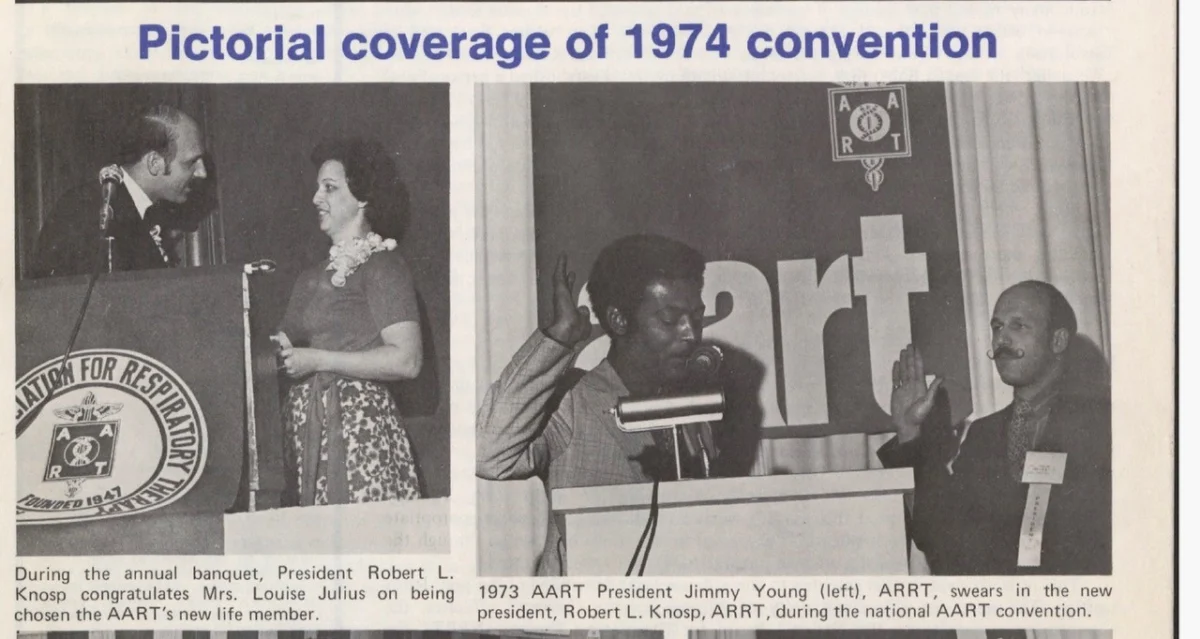
The American Association for Respiratory Care (AARC) has long served as the bedrock of clinical excellence in pulmonary medicine. At the pinnacle of its recognition hierarchy stands the Jimmy A. Young Award, an honor bestowed upon those who have dedicated their lives to the advancement of respiratory care. Named in memory of the late AARC president—a man whose vision shaped the profession during its formative years—this award is reserved for individuals whose contributions have been both sustained and transformative.
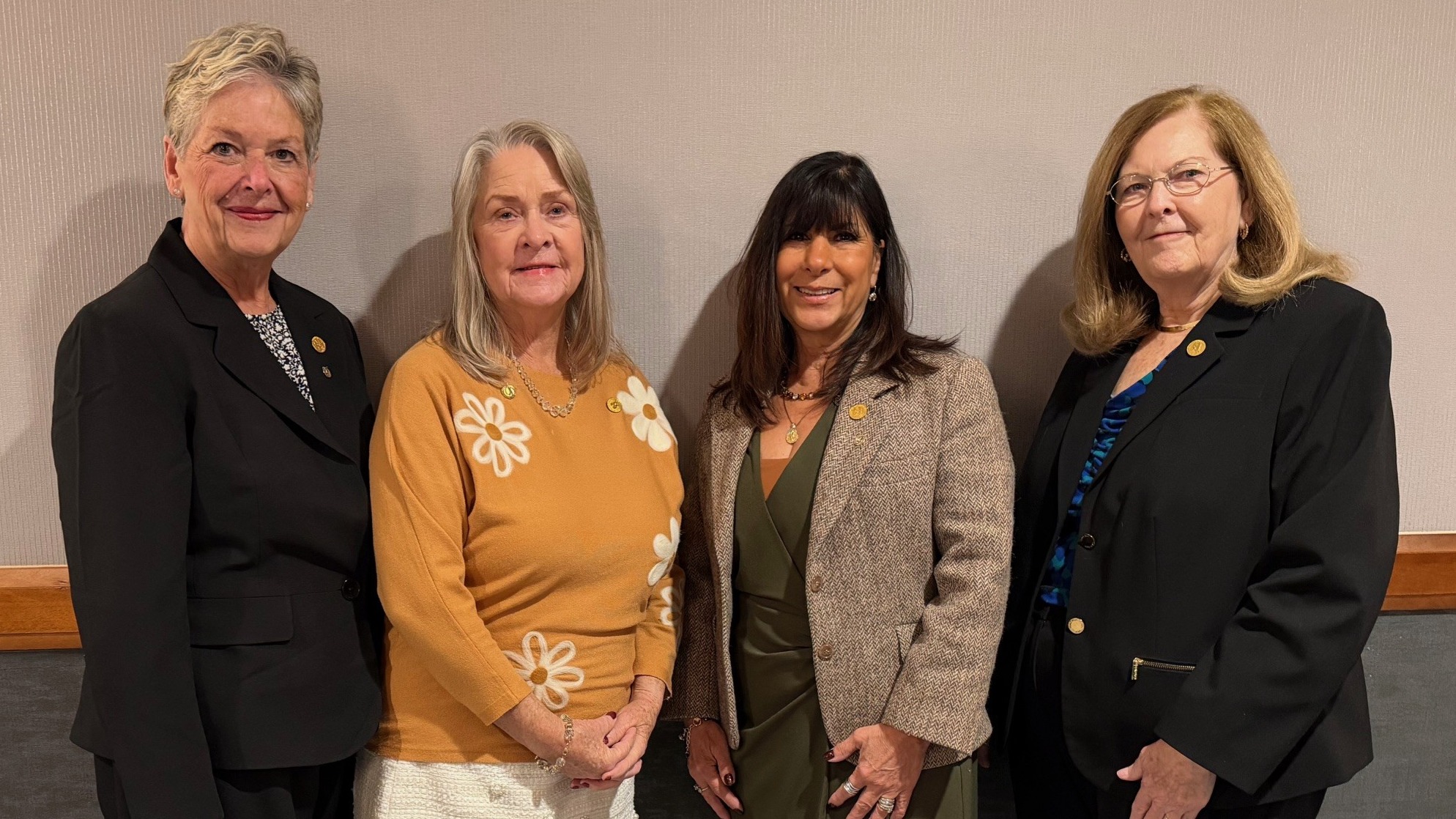
In a recent, deeply personal retrospective, Lisa Weisenberger, AARC Director of Content and Communications, facilitated a roundtable with four of the most influential women to ever receive this honor: Dianne Lewis, MS, RRT, FAARC (2025); Trudy Watson, BS, RRT, FAARC (2018); Margaret Traband, MEd, RRT, FAARC (2011); and Teresa Volsko, MBA, MHHS, LSSBB, RRT, FAARC (2020). Together, they unpacked the evolution of the profession, the shifting dynamics of leadership, and the enduring legacy of the women who broke barriers in a high-stakes medical field.
The Legacy of the Jimmy A. Young Award: A Historical Context
To understand the weight of this award, one must understand the man behind it. Jimmy A. Young was a visionary leader who insisted that respiratory therapy was not merely a technical trade, but a clinical profession requiring academic rigor and patient advocacy. The award recognizes those who carry that torch forward.
While the roster of recipients spans decades of influential figures, the narrative of women in this elite group is particularly compelling. Although Louise Julius made history in 1988 as part of a joint award with her husband, John, the subsequent decades saw a steady, hard-fought rise of individual women reaching the summit of the profession. Today, these recipients are not just "honorees"—they are the architects of modern respiratory care protocols.
Chronology of Excellence: From Local Advocacy to National Standards
The professional journeys of these four leaders share a common thread: none began with an eye toward accolades. Instead, their paths were defined by a commitment to filling gaps in patient care.
Dianne Lewis: The Architect of Standardization
For the 2025 recipient, Dianne Lewis, the focus was always on the "how" of medicine. Her career trajectory is inseparable from the development of the Clinical Practice Guidelines Steering Committee. "My group wrote and published the first clinical practice guideline for the association," Lewis reflects. This wasn’t just administrative work; it was a fundamental shift that helped standardize care for patients across the United States. By moving from isolated clinical practices to evidence-based, nationwide standards, Lewis and her peers laid the groundwork for the safety and quality of care that RTs provide today.
Margaret Traband: The Grassroots Catalyst
Margaret Traband, who entered the AARC in 1972, offers a perspective rooted in the necessity of local engagement. For Traband, professional leadership wasn’t a ladder to be climbed, but a garden to be tended. "We began with our state societies," she notes. "You don’t do it looking for what else you need to check off a list to get an award. You’re just moving ahead where you think you can do the most good." This philosophy highlights a vital truth: the national leaders of the AARC were first the local champions who recognized that the health of the profession begins in the hospital unit and the state legislature.
Supporting Data: The Shifting Demographics of Leadership
Historically, respiratory therapy was a male-dominated field, particularly at the management and board levels. As Trudy Watson points out, the transition toward gender parity has been slow but seismic. In the late 1970s and early 1980s, the "seat at the table" was a scarce commodity.
Teresa Volsko provides a vivid picture of this era: "In 1979, if you were invited to the table, you didn’t dare bring another woman up with you because there was only one or two seats. You felt you had to protect that spot." This culture of scarcity bred a competitive, often exclusionary environment. However, the data—and the experience of these leaders—show a deliberate pivot.
Today, the workforce is significantly more diverse, but the leadership roles require intentionality to fill. The transition from a "one-seat-only" mentality to an environment of collective advancement is perhaps the greatest shift in the history of the AARC. Volsko emphasizes, "Now we have the power to change that landscape from being competitive to really lifting each other up."
Official Insights: A Roadmap for the Future
During the roundtable, the discussion turned toward the next generation. The recipients were asked to provide a roadmap for new respiratory therapists entering a field defined by rapid technological change and high patient acuity. Their advice coalesced into three core pillars of professional development.
1. The Art of Strategic Networking
Trudy Watson emphasizes that professional visibility is not the same as self-promotion. "Get involved so your name is known and you are trusted within your own organization," she advises. She encourages RTs to step outside the four walls of their hospital and engage with related organizations like the American Lung Association. Trust, she argues, is the currency of the profession. When you are a known entity—someone who delivers consistent, high-quality work and engages with the broader medical community—opportunities to lead naturally follow.
2. The Power of "Over-Preparation"
Margaret Traband recalls the "Journal Clubs" of the 1970s as a cornerstone of her training. In an era before instant digital access to research, these sessions were where the latest clinical data was digested and challenged. "Being over-prepared is status quo for most of us," Traband says. "You have to be well-versed, so you don’t come off half-prepared." In a high-stakes environment where a patient’s next breath may depend on the therapist’s decision-making, clinical excellence is the only form of job security that matters.
3. Leadership at the Bedside
Perhaps the most poignant advice comes from Teresa Volsko, who challenges the common misconception that leadership is tied to a title. "Don’t let the fact that you have the title of a clinical respiratory therapist stop you from doing great things. Lead where you are." Whether it is mentoring a new hire, advocating for a better workflow in the ICU, or educating a patient’s family, leadership is a behavior, not a badge.
Implications: Navigating Growth and Burnout
The future of respiratory care is a paradox of promise and pressure. On one hand, the field is poised for massive growth. As the population ages and the prevalence of chronic respiratory diseases continues to rise, the demand for highly skilled RTs will reach an all-time high over the next decade. Dianne Lewis notes that the job opportunities are nearly limitless for those entering the field now.
However, this demand creates a critical bottleneck: "finding the students to fill the seats in the classroom," as Watson notes. The challenge of recruitment is matched only by the challenge of retention.
The post-pandemic era has left a mark on the profession, with burnout appearing as a significant threat to the workforce. In response, Traband offers a vital reminder on the psychological aspects of the job. "The further away you get from the bedside, the less positive reinforcement happens," she notes. She urges therapists to practice mindfulness: "Take the time to reflect at the end of the day. Know that you’ve alleviated breathlessness and calmed patients. Steep in that moment."
Conclusion: The Path Forward
The Jimmy A. Young Award is far more than a physical trophy or a line on a resume; it is a symbol of a life’s work dedicated to the most fundamental of human needs: the ability to breathe.
The legacy of these four women—Lewis, Watson, Traband, and Volsko—serves as a blueprint for the future. They have demonstrated that the profession is built upon a foundation of clinical mastery, the courage to build bridges for those who come after, and the humility to remain tethered to the bedside.
As the AARC looks toward the future, the lessons provided by these trailblazers remain clear: the strength of the respiratory care profession does not rest solely on technological advancement, but on the people who choose to lead with excellence, compassion, and a tireless commitment to the breath of life. For the next generation of RTs, the invitation is open: take a seat at the table, bring someone else with you, and continue the work that Jimmy A. Young started so many years ago.