









For millions of people worldwide, the simple act of planning a day—a commute, a business meeting, or a social outing—is governed by a single, overriding concern: "Where is the nearest bathroom?"
Irritable Bowel Syndrome (IBS) is far more than a collection of digestive inconveniences; it is a profound, life-altering condition that compromises the very foundation of daily functioning. Recent studies suggest that the suffering is so intense that many patients would willingly trade 10 to 15 years of their life expectancy for an immediate and permanent cure. In even more striking research, some patients indicated they would accept a medication with a one-percent risk of sudden death if it promised to fully resolve their symptoms.
These findings highlight a grim reality: for those living with the urgent, unpredictable, and painful nature of IBS, the current quality of life is often perceived as worse than that of patients suffering from chronic conditions like heart disease, diabetes, or end-stage kidney disease.
The Evolution of a Diagnosis: From "Spastic Colon" to Neuro-Gastrointestinal Disorder
For decades, the medical community struggled to categorize IBS. Frequently dismissed as a "spastic colon" or, even more damagingly, as a purely psychological manifestation, patients were often told that their pain was "all in their head." Because standard diagnostic imaging—such as colonoscopies and endoscopies—typically shows no visible inflammation, ulcers, or structural damage, many practitioners lacked the tools to validate the patient’s experience.
However, the medical consensus has undergone a significant paradigm shift. Experts now classify IBS as a functional neuro-gastrointestinal disorder. This definition acknowledges that while the gut’s architecture remains intact, the "software" governing it—the complex signaling network between the brain and the gastrointestinal (GI) tract—is malfunctioning.
In an IBS-affected individual, the brain and the gut are essentially having a "miscommunication." The brain may interpret normal digestive processes as high-level pain signals, or the gut’s nerves may overreact, causing muscles to contract with excessive, painful force or, conversely, to remain sluggish, leading to persistent constipation.

The Spectrum of Symptoms: A Diagnostic Challenge
Because IBS is a functional disorder rather than a structural disease, it lacks a singular "smoking gun" for diagnosis. Symptoms are as varied as the individuals who suffer from them, often coming and going in unpredictable cycles. A patient may experience months of relative calm, followed by a flare-up that lasts for weeks.
Common symptoms include:
- Chronic Abdominal Pain: Often described as cramping or sharp sensations that can interfere with sleep and work productivity.
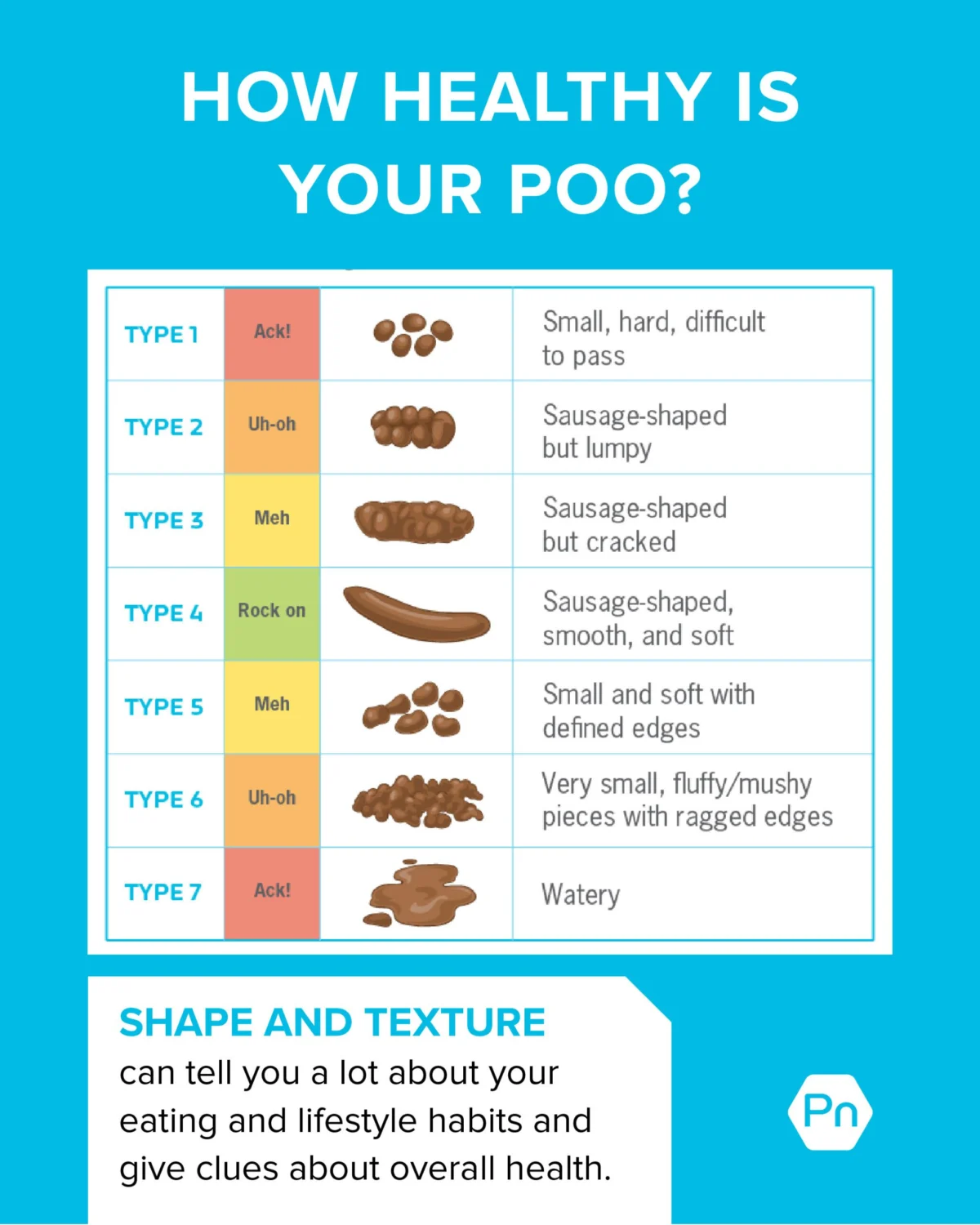
- Stool Irregularities: Ranging from urgent, watery diarrhea to chronic, painful constipation, or a frustrating oscillation between the two.
- Bloating and Gas: A persistent feeling of fullness or distension that can cause significant physical discomfort.
- Gastrointestinal-Specific Anxiety: The pervasive fear of an unexpected flare-up, which leads many to avoid restaurants, public exercise, or travel.
Clinical Perspectives: Bridging the Gap Between Medicine and Lifestyle
Sarah Maughan, a Precision Nutrition Super Coach and certified expert in the link between food sensitivities and IBS, notes that the path to relief is rarely linear. "My hope is for everyone with IBS to know they have options," Maughan explains. "That includes working with a physician for clinical management and collaborating with a health coach to implement lifestyle changes that make daily life more manageable."
While there is no singular cure, a multi-disciplinary approach—combining medical oversight with targeted lifestyle modifications—is proving highly effective.
The Five Pillars of IBS Management
Research consistently demonstrates that while medication and medical devices can play a role, lifestyle adjustments serve as the bedrock for long-term symptom management.
1. The Role of Physical Activity
Regular, moderate exercise is one of the most accessible tools for gut health. Studies show that participants who engaged in moderate walking for one hour, three times a week, reported significant reductions in bloating and pain within 12 weeks. Beyond physical movement, exercise helps regulate the nervous system, potentially improving the brain-gut axis communication and encouraging the growth of beneficial gut bacteria.

2. Mastering Stress Regulation
Stress is a known trigger for GI distress. When the body enters a state of "fight or flight," it releases cortisol and norepinephrine, which can slow digestion, increase sensitivity to pain, and alter the gut microbiome. Rather than viewing stress as an "on/off" switch, effective management involves identifying what is within an individual’s control—such as practicing mindfulness, breathwork, and self-compassion—to regulate the nervous system.
3. The Art of Slow Eating
Modern dining is often rushed, which contributes to poor digestion. Slowing the eating pace encourages more thorough chewing, which initiates the digestive process in the mouth and reduces the workload on the stomach and intestines. Furthermore, creating a calm environment for meals helps keep stress hormones low, preventing the activation of GI pain signals.
4. Prioritizing Restorative Sleep
There is a reciprocal relationship between poor sleep and IBS. Fatigue exacerbates stress, which worsens gut pain, which in turn makes restful sleep harder to achieve. Breaking this cycle often requires a consistent pre-bedtime routine and, in some cases, shifting the timing of meals to ensure the body has ample time to digest before reclining.
5. Nutritional Troubleshooting
Dietary triggers are highly individual. What causes a flare-up in one person may be perfectly tolerated by another. The key is to avoid rigid, one-size-fits-all diets. Instead, experts suggest a methodical approach to identifying triggers, such as:
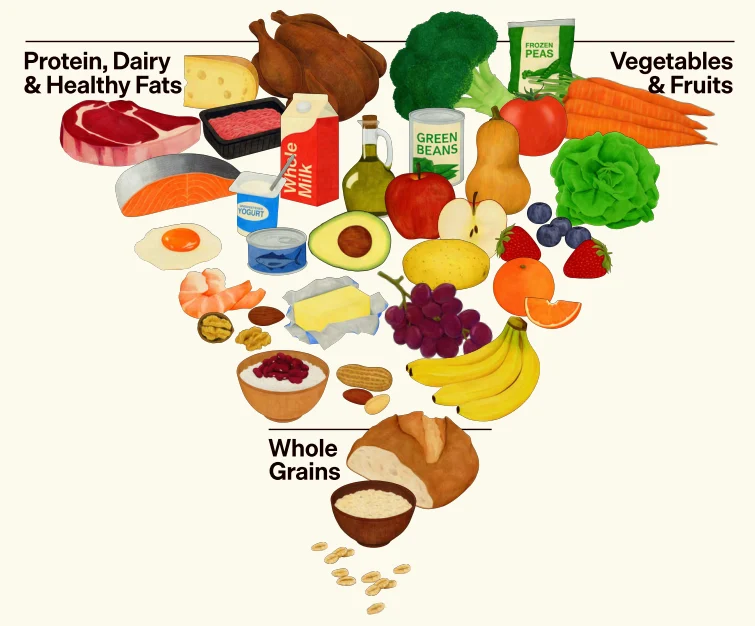
- FODMAP Awareness: Learning about Fermentable Oligosaccharides, Disaccharides, Monosaccharides, and Polyols. These carbohydrates are poorly absorbed and can cause fermentation and gas in the gut.
- Elimination Diets: Working with a professional to temporarily remove potentially problematic foods—such as caffeine, alcohol, high-fructose corn syrup, or specific dairy products—and then systematically reintroducing them to pinpoint individual sensitivities.
The Role of the Health Coach: Staying Within Scope
For health coaches, navigating the complexities of IBS requires a clear understanding of professional boundaries. It is vital to remember that coaches do not diagnose or provide medical prescriptions. Instead, a coach acts as a facilitator, helping the client implement the lifestyle strategies suggested by their medical team.
Do’s for Health Coaches:

- Encourage clients to seek a formal diagnosis from a gastroenterologist.
- Help clients track their symptoms and conduct "lifestyle experiments" to see what works for them.
- Support the medical team’s recommendations by helping the client stay consistent with prescribed changes.
Don’ts for Health Coaches:
- Never diagnose a client or suggest they have IBS.
- Avoid pitching rigid, "cure-all" diets that may lead to restrictive eating behaviors.
- Never contradict a medical professional or suggest that the client should ignore their physician’s advice.
Moving Forward: From Fear to Choice
The most critical message for those with IBS is that they are not powerless. While the condition may feel like a life sentence, the application of knowledge leads to choices. By understanding personal triggers, managing stress, and working alongside a supportive team of medical professionals and coaches, individuals can reclaim their autonomy.
"With knowledge, you have choices," Maughan says. Even if a patient discovers that a favorite food is a trigger, they don’t have to eliminate it entirely. They can choose when to indulge and when to abstain based on the demands of their day.
For the millions living with IBS, the future is not about total eradication of the condition, but about mastering the tools necessary to live a full, productive, and less anxious life. The journey begins with a single step: acknowledging the pain, seeking professional guidance, and treating the body with the patience and curiosity it deserves.