








As we navigate our fifties and beyond, the body undergoes a series of physiological shifts. A natural decline in muscle mass—a condition known as sarcopenia—combined with a decrease in collagen production and skin elasticity, often manifests as "under-arm flab." While the desire for aesthetic improvement is common, the true value of arm strength extends far beyond the mirror. Functional independence, bone density, and metabolic health are the true pillars of longevity.
We sat down with renowned fitness expert Jacob Siwicki, founder of Siwicki Fitness and a former top-ranked Equinox instructor, to debunk myths about spot-reduction and provide a science-backed blueprint for building lean, functional muscle in your golden years.
The Reality of Aging and Muscle Composition
Understanding the "Why" Behind Arm Changes
It is a biological reality that after age 45, and accelerating toward 55, the body’s metabolic rate slows while the hormonal profile changes. For women, in particular, the decline in estrogen can lead to a redistribution of body fat and a loss of skin tightness.
"Strength training is the ultimate intervention," says Siwicki. "It rebuilds the muscle underneath, which provides the internal support necessary to improve the arm’s shape. However, it is vital to be transparent: exercise alone cannot completely tighten loose skin or selectively ‘burn’ fat from the back of the arms. The most effective strategy is a triad of resistance training, a protein-rich diet, and patience."
The Functional Imperative
Beyond aesthetics, arm strength is a critical component of "activities of daily living" (ADLs). Strong biceps, triceps, and deltoids are the difference between effortlessly carrying groceries, comfortably lifting grandchildren, and maintaining the dexterity required for sports like golf or pickleball. By prioritizing resistance training, you aren’t just sculpting; you are investing in your future autonomy.
Chronology of Progress: A Roadmap to Success
Building muscle after 55 is not about lifting the heaviest weight possible on day one; it is about consistency and progressive overload.
- Phase 1: The Foundation (Weeks 1–4): Focus on form. Utilize bodyweight exercises and light resistance to prime your joints and tendons.
- Phase 2: Progressive Overload (Weeks 5–12): Introduce moderate weight. The goal is to reach a state of controlled fatigue by the end of each set.
- Phase 3: Sustainability (Month 4+): Integrate these movements into your weekly routine 2–3 times, focusing on compound movements that recruit multiple muscle groups for maximum efficiency.
The Expert-Recommended 5-Move Routine
Siwicki recommends the following five exercises as the most efficient way to target the entire upper arm and shoulder complex.
1. Incline Pushups
The incline pushup is an accessible entry point that targets the chest, shoulders, and triceps without the excessive strain of a floor pushup.
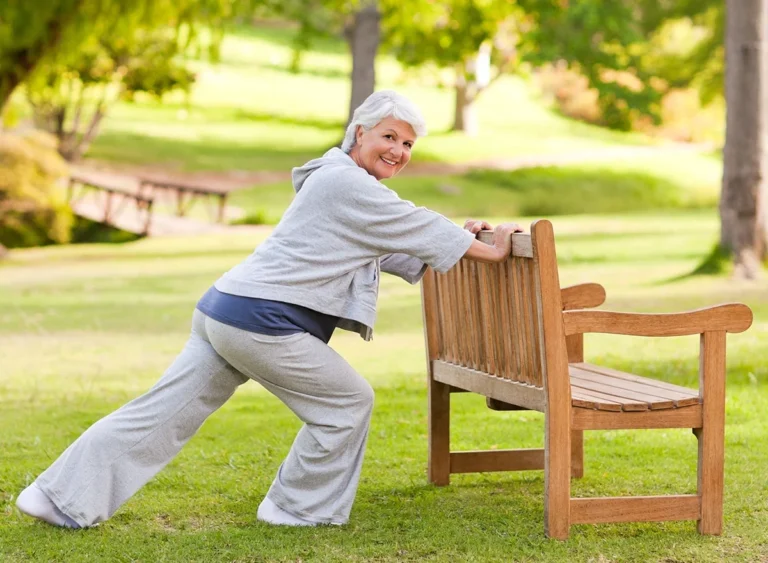
- The Technique: Place your hands on a sturdy surface (like a countertop or a stable bench). Keep your body in a straight line from head to heels. Lower your chest toward the surface, keeping your elbows tucked at a 45-degree angle. Push back to the starting position.
- Why it works: It builds foundational upper-body strength while protecting the lower back.
2. Hammer Curls
While standard bicep curls focus on the front of the arm, hammer curls engage the brachialis and brachioradialis, adding thickness and definition.
- The Technique: Stand tall with a dumbbell in each hand, palms facing your torso. Keeping your elbows pinned to your sides, curl the weights up toward your shoulders, maintaining a neutral grip throughout the movement.
- Why it works: This movement provides a "fuller" look to the arm and enhances grip strength, which is vital for long-term health.
3. Shoulder Presses
Strong shoulders provide the "frame" for the rest of your arm. A well-developed deltoid helps balance the appearance of the upper arm.
- The Technique: Start with dumbbells at shoulder height, palms facing forward. Press the weights directly overhead until your arms are fully extended. Lower with control back to the starting position.
- Why it works: This is a compound movement that engages the core and improves posture—essential for those who spend significant time sitting.
4. Lateral Raises
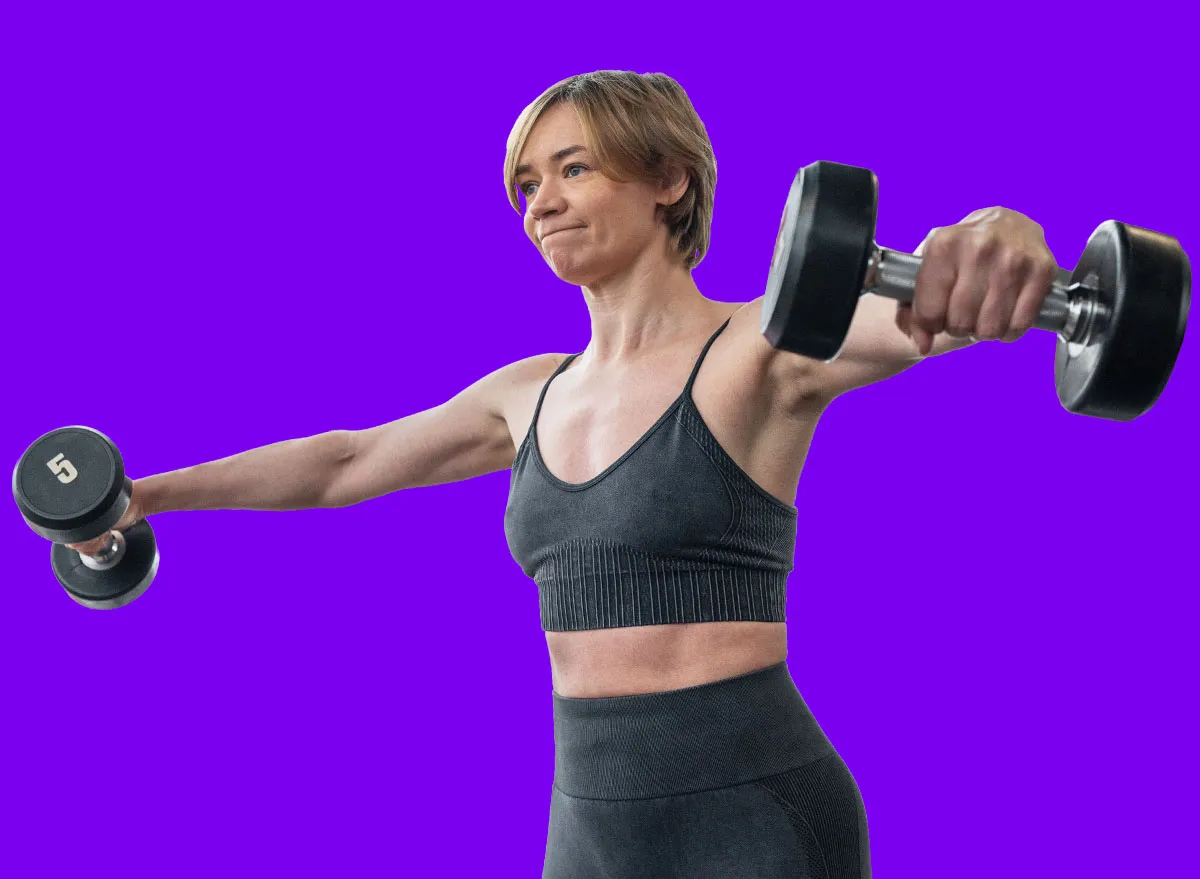
To achieve that toned, sculpted silhouette, you must target the side deltoids.
- The Technique: Stand with a light dumbbell in each hand. With a slight bend in your elbows, lift your arms out to the sides until they are parallel to the floor. Lower slowly.
- Why it works: It isolates the shoulder muscle, helping to create a defined transition between the shoulder and the upper arm.
5. Tricep Kickbacks
The tricep is the largest muscle in the arm and the primary target for addressing "sagging."
- The Technique: Lean forward at the hips with a flat back. Hold a dumbbell in each hand with your elbows bent at 90 degrees tucked close to your ribs. Extend your arms backward until they are straight, squeezing the back of your arms, then return to the starting position.
- Why it works: By isolating the triceps, you maximize the potential for muscle hypertrophy in the area most prone to skin laxity.
Supporting Data: The Science of Protein and Recovery
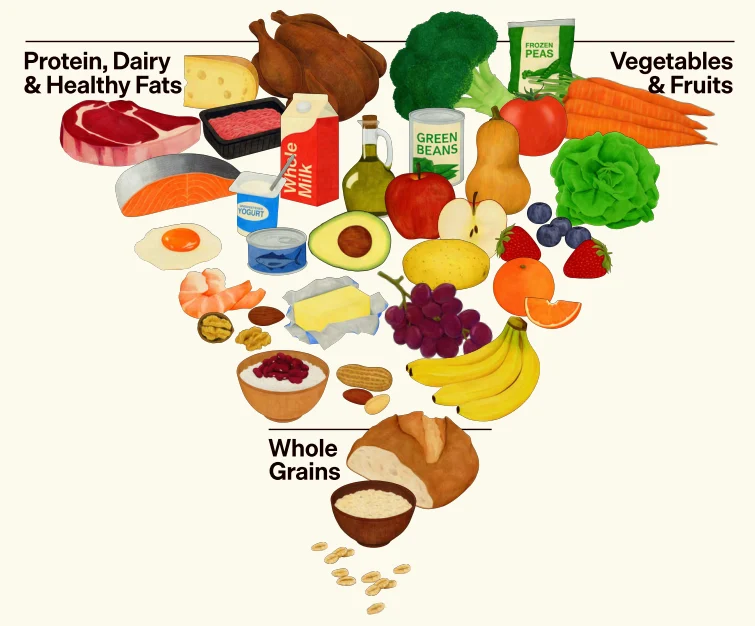
Resistance training is only half the battle. To see results, the body requires the building blocks of muscle: protein.
Research indicates that as we age, our bodies become less efficient at synthesizing protein (anabolic resistance). To counteract this, experts suggest:
- Protein Timing: Aim for 20–30 grams of high-quality protein per meal.
- Recovery: Muscle grows during rest, not during the workout. Aim for 48 hours of recovery between intense arm sessions to prevent overtraining and injury.
Official Perspective: Addressing the "Spot-Reduction" Myth
It is crucial to clarify the limitations of exercise. The fitness industry is rife with "spot-reduction" claims—the idea that doing 500 tricep extensions will melt fat off the back of the arm.
"That is biologically impossible," notes Siwicki. "Fat loss is systemic, not localized. When you lose body fat, you lose it from all over the body. The goal of this program is to build the muscular structure underneath that fat. When you combine that muscle density with a body-fat level that is healthy for your age, you achieve a tighter, firmer, and more toned appearance."
Implications: A Holistic Approach to Wellness
The implications of adopting this routine go far beyond arm aesthetics. By engaging in consistent strength training, you are:
- Boosting Metabolic Health: Muscle tissue is metabolically active; more muscle means a higher resting metabolic rate.
- Improving Bone Density: Weight-bearing exercise stimulates osteoblast activity, which is vital for preventing osteoporosis.
- Enhancing Posture: Strengthening the shoulders and upper back naturally pulls the frame into alignment, which immediately makes you appear taller and more confident.
Final Thoughts
Transitioning into your fifties and sixties should not be seen as a decline, but rather a pivot toward more intentional living. Your arms are your primary tools for interacting with the world. By treating them with the respect that strength training demands, you aren’t just fixing a physical concern—you are ensuring that your body remains as capable and resilient as your spirit.
Start slow, stay consistent, and remember: progress is measured in months, not days.