











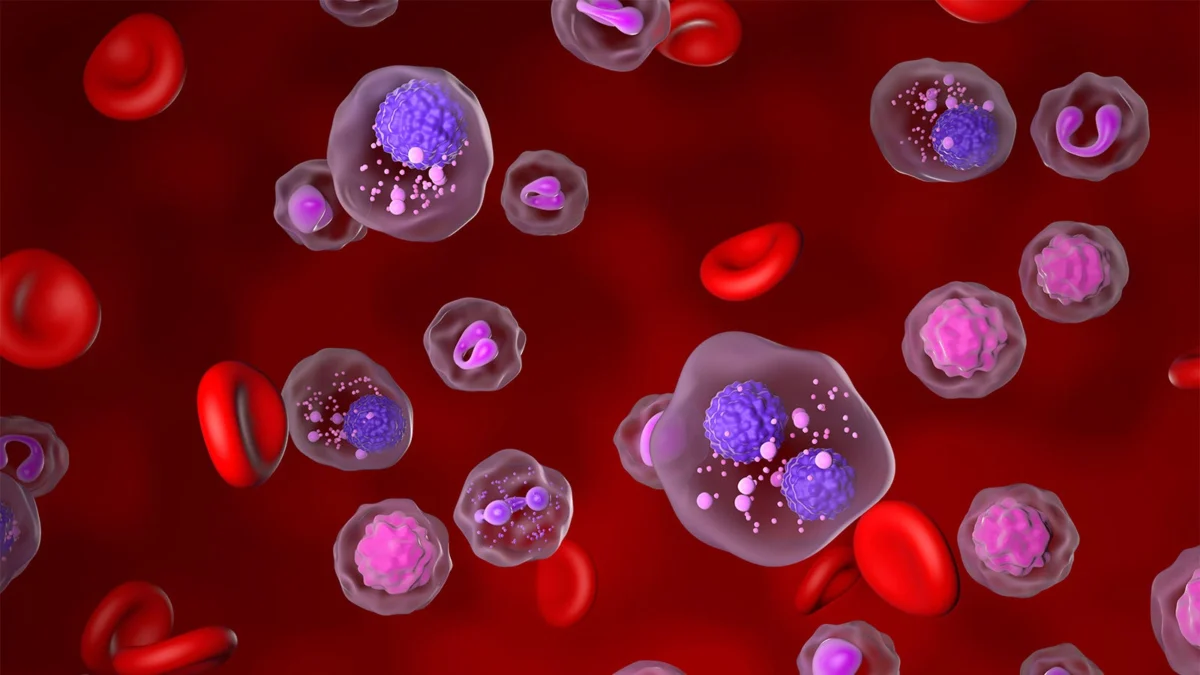
August 13, 2026 — In a landmark development for hematology-oncology, the U.S. Food and Drug Administration (FDA) has granted accelerated approval to iberdomide (brand name: Zenbexus), marking the clinical arrival of the first-ever cereblon E3 ligase modulation (CELMoD) therapy. This milestone introduces a novel class of therapeutic agents designed to treat relapsed or refractory multiple myeloma, providing a long-awaited tool for clinicians managing patients who have progressed after initial lines of treatment.
The approval, announced on Thursday, authorizes iberdomide as part of a triple-drug regimen in combination with the anti-CD38 monoclonal antibody daratumumab and hyaluronidase (Darzalex Faspro) and the corticosteroid dexamethasone. This regimen is indicated for adult patients who have received at least one prior line of therapy, specifically including a proteasome inhibitor and an immunomodulatory drug.
The Clinical Landscape: Understanding the CELMoD Class
Multiple myeloma remains a challenging, incurable plasma cell malignancy, characterized by the proliferation of abnormal plasma cells in the bone marrow. While significant progress has been made over the last decade with the introduction of proteasome inhibitors (PIs) and immunomodulatory drugs (IMiDs), the inevitable development of resistance remains a major clinical hurdle.
Iberdomide represents a scientific evolution in protein degradation. As a CELMoD, iberdomide binds to cereblon, a protein that acts as an E3 ubiquitin ligase component. By modulating this complex, iberdomide facilitates the rapid degradation of specific transcription factors (IKZF1 and IKZF3) that are critical for the survival and proliferation of myeloma cells. Compared to older IMiDs, iberdomide exhibits higher binding affinity and more potent degradation capabilities, which researchers hope will overcome the limitations seen in patients who have become refractory to existing therapies.
Supporting Data: The EXCALIBER-RRMM Trial
The FDA’s accelerated approval was anchored by the pivotal results of the EXCALIBER-RRMM phase III randomized clinical trial. This study was designed to evaluate the efficacy and safety of the iberdomide-based regimen compared to a standard-of-care backbone.
Efficacy Metrics
The primary endpoint of the trial centered on the rate of minimal residual disease (MRD)-negative complete response. In the study, patients receiving the iberdomide-daratumumab-hyaluronidase-dexamethasone regimen demonstrated a significant therapeutic advantage. Specifically, the MRD-negative complete response rate was 41% in the iberdomide arm, compared to just 21% in the control arm (daratumumab-hyaluronidase, bortezomib, and dexamethasone). The statistical significance of this finding, with a P-value of <0.0001, underscores the potency of the new CELMoD agent.
Trial Limitations
While the results are robust, the medical community must note the specific patient population included in the study. The EXCALIBER-RRMM trial explicitly excluded patients who were refractory to prior anti-CD38 therapy or bortezomib. Consequently, the efficacy of iberdomide in these "heavily pre-treated" or "triple-class refractory" populations—a common clinical scenario—remains a subject for future study and real-world data collection.
Chronology of Development: From Lab Bench to Bedside
The journey of iberdomide from a preclinical molecule to an FDA-approved drug represents years of rigorous oncology research.
- Early Development Phase: Following the success of first-generation IMiDs like lenalidomide and pomalidomide, Bristol Myers Squibb (BMS) sought to engineer molecules with higher efficacy. Iberdomide was identified as a lead candidate due to its superior cereblon-binding properties.
- Initial Phase I/II Trials: Early-stage trials established the safety profile and determined the recommended phase II dose (RP2D). These trials demonstrated that the drug was well-tolerated when administered orally.
- The EXCALIBER-RRMM Phase III Study: The pivotal trial began enrollment to confirm that the addition of iberdomide to standard triplet therapy would improve outcomes compared to standard doublet or triplet regimens.
- FDA Submission and Review: Following positive topline data, BMS submitted a New Drug Application (NDA) to the FDA. The accelerated approval pathway was utilized given the urgent, unmet medical need for new classes of drugs in relapsed myeloma.
- August 2026 Approval: The FDA officially cleared the drug for market, cementing its role as the first approved CELMoD.
Official Responses and Expert Commentary
The approval has been met with significant enthusiasm from the oncology community. Dr. Sagar Lonial of the Winship Cancer Institute of Emory University, a lead investigator in the clinical program, emphasized the transformative potential of the new drug.
"The FDA approval of iberdomide marks the anticipated arrival of a new therapeutic class for relapsed or refractory multiple myeloma and has the potential to make a meaningful difference for patients," Dr. Lonial stated in a press release issued by Bristol Myers Squibb. He noted that the "strong results observed with the CELMoD-based combination within a familiar triplet approach creates the potential for a new treatment foundation in multiple myeloma."
Regulatory bodies, including the FDA, have emphasized that while the approval is a positive step, it is contingent upon further verification of clinical benefit. As is standard with accelerated approvals, the manufacturer will likely be required to conduct post-marketing studies to confirm the durability of the response and overall survival benefits.
Safety Profile and Risk Management
As with any potent oncological agent, the clinical adoption of iberdomide requires careful management of adverse events (AEs). The safety profile observed in the EXCALIBER-RRMM trial was consistent with the known toxicities of the individual components of the regimen.
Common Adverse Events
Patients and clinicians should be prepared for a range of side effects, including:
- Constitutional Symptoms: Fatigue and musculoskeletal pain.
- Infectious Risks: Upper respiratory tract infections and pneumonia, which are common in patients on immunosuppressive regimens.
- Gastrointestinal Issues: Diarrhea and constipation.
- Other Noted Risks: Motor dysfunction, rash, sleep disorders, and hypogammaglobulinemia.
Laboratory Abnormalities
Grade 3 and 4 laboratory abnormalities were observed, primarily manifesting as hematologic toxicities, including neutropenia, leukopenia, and lymphocytopenia. Monitoring of blood counts is mandatory throughout the course of treatment.
Regulatory Warnings
The FDA has included a boxed warning for iberdomide, citing the risk of embryo-fetal toxicity. Given the mechanism of action, iberdomide is strictly contraindicated in pregnant patients. Consequently, a mandatory Risk Evaluation and Mitigation Strategy (REMS) program has been implemented to ensure that the drug is dispensed and used under conditions that prevent fetal exposure.
Furthermore, there is an increased risk of serious venous and arterial thromboembolism. Clinicians are advised to assess a patient’s underlying risk for thrombosis and consider prophylactic anticoagulation or antiplatelet therapy where appropriate. Secondary primary malignancies have also been flagged as a potential concern that warrants long-term surveillance.
Implications for the Future of Myeloma Therapy
The approval of iberdomide is more than just the addition of a new drug; it is a proof-of-concept for the CELMoD platform. By validating this mechanism, the FDA has opened the door for a pipeline of similar degraders that may eventually treat other hematologic malignancies, including lymphomas and leukemias.
Changing the Treatment Algorithm
With the availability of iberdomide, oncologists now have a more potent oral option for patients at first relapse. This could potentially delay the need for more invasive treatments, such as CAR-T cell therapy or bispecific antibodies, or serve as a critical bridge for patients who are not yet candidates for those advanced modalities.
The Role of Combination Therapy
The success of the iberdomide-daratumumab-dexamethasone regimen reinforces the current strategy of targeting myeloma cells via multiple pathways simultaneously. By combining the direct degradation effects of iberdomide with the immune-mediated lysis provided by daratumumab, the regimen achieves a "double-hit" on the disease.
Future Directions
Looking forward, the research community is expected to pivot toward several critical questions:
- Refractory Populations: How does iberdomide perform in patients who are refractory to CD38-directed therapies or those with high-risk cytogenetics?
- Sequencing: Where does iberdomide fit best in the sequence of therapy? Should it be used immediately upon first relapse, or held for later lines?
- Combination Studies: Can iberdomide be combined with newer agents, such as B-cell maturation antigen (BCMA)-targeted therapies or novel checkpoint inhibitors, to achieve even deeper, more durable responses?
Conclusion
The arrival of iberdomide (Zenbexus) is a landmark event in the 2026 oncology calendar. It provides clinicians with a powerful, first-in-class option that has demonstrated clear superiority in trial settings. While safety monitoring remains paramount—particularly regarding its teratogenic potential and thromboembolic risks—the therapeutic benefit for patients facing the difficult reality of relapsed multiple myeloma is substantial. As clinical experience grows, iberdomide is poised to become a foundational element of modern myeloma care, offering renewed hope and longer, higher-quality lives for thousands of patients across the United States.