As the legal landscape for cannabis continues to shift across the United States and the accessibility of edible THC products reaches an all-time high, a critical public safety concern has emerged: the dangerous, often underestimated, habit of mixing cannabis with alcohol. A groundbreaking study from Johns Hopkins Medicine, published in the JAMA Network, has shed new light on this issue, revealing that the combination of cannabis edibles and alcohol produces a "synergistic" impairment that is significantly more severe—and longer-lasting—than the effects of either substance consumed individually.
For law enforcement, policymakers, and the general public, the study serves as a stark wake-up call. It suggests that our current tools for detecting impairment, particularly standard field sobriety tests, are failing to capture the full scope of risk posed by drivers under the influence of cannabis, whether consumed in isolation or paired with alcohol.
The Synergistic Threat: Moving Beyond Additive Effects
For years, the conventional wisdom regarding substance use has operated on the assumption of "additive effects"—the idea that the impairment caused by two substances is merely the sum of their parts. However, the Johns Hopkins research challenges this paradigm.
"Our findings indicate that co-use of cannabis and alcohol produces significantly greater driving impairment and subjective intoxication than either substance alone," explains Dr. Austin Zamarripa, the study’s lead author and an assistant professor of psychiatry and behavioral sciences at the Johns Hopkins University School of Medicine. "Importantly, these findings suggest that the interaction between cannabis edibles and alcohol is not merely additive, but may be synergistic in producing impairment, which has important implications for real-world risk."
Synergy, in this context, implies that the two substances react with one another in the human body to create a state of intoxication that exceeds the simple addition of their individual impacts. This finding is particularly alarming because it suggests that a driver might feel "only a little" intoxicated from each substance, yet possess a level of motor control and cognitive function that is profoundly compromised.
Chronology and Methodology: A Tightly Controlled Investigation
To understand the scope of this phenomenon, researchers at Johns Hopkins designed a rigorous, multi-phase study. Recognizing that the vast majority of existing data on cannabis impairment focused on inhaled (smoked) marijuana, the team centered their investigation on edible products, which are becoming the preferred method of consumption for many modern users.
The Study Design
The research involved 30 healthy adults, aged 21 to 55, who were selected based on specific criteria. To ensure the results were applicable to real-world scenarios while maintaining safety, participants were required to have a history of both cannabis and alcohol use within the past year. Crucially, they were also screened for "binge drinking" patterns to ensure they represented the demographic most likely to engage in this behavior. To prevent the data from being skewed by high tolerance, participants were required to be infrequent cannabis users—defined as fewer than three times per week.
The Experimental Protocol
The participants underwent an extensive screening process, including psychiatric evaluations, physical examinations, and toxicology screenings to rule out the use of illicit substances. Once cleared, they attended a training session to become acclimated to the high-fidelity driving simulator used in the study, ensuring that any performance drops observed later were due to chemical impairment rather than a lack of familiarity with the technology.
Over seven separate experimental sessions, separated by at least one week to ensure complete metabolic clearance, participants were administered varying combinations of:
- Cannabis: A brownie containing either 10mg or 25mg of THC.
- Alcohol: Individually calibrated doses designed to reach breath alcohol concentrations (BrAC) of 0.05% or 0.08%.
- Placebos: Designed to maintain the "blinded" nature of the study, where participants were unaware of whether they were receiving the active substance or a control.
The timeline of the experiment was precise: one hour after a standardized breakfast, the brownie was consumed. Forty-five minutes later, the alcohol or placebo beverage was administered over a 15-minute window. Researchers then tracked the participants’ performance in a driving simulator, conducted field sobriety tests, and gathered cognitive and psychomotor assessments for up to 7.5 hours post-consumption.
Supporting Data: Why Field Sobriety Tests Fail
Perhaps the most troubling takeaway from the Johns Hopkins data is the failure of traditional law enforcement tools. Standardized Field Sobriety Tests (SFSTs)—the battery of physical tasks officers ask drivers to perform at the roadside—were found to be woefully inadequate at identifying impairment caused by cannabis, even when that cannabis was combined with alcohol.
In the study, these tests only reliably flagged impairment when the alcohol levels reached the legal threshold of 0.08% BrAC. When cannabis was the primary driver of impairment, or when lower, yet still dangerous, levels of alcohol were involved, the field tests often failed to detect that the driver was in no state to operate a vehicle.
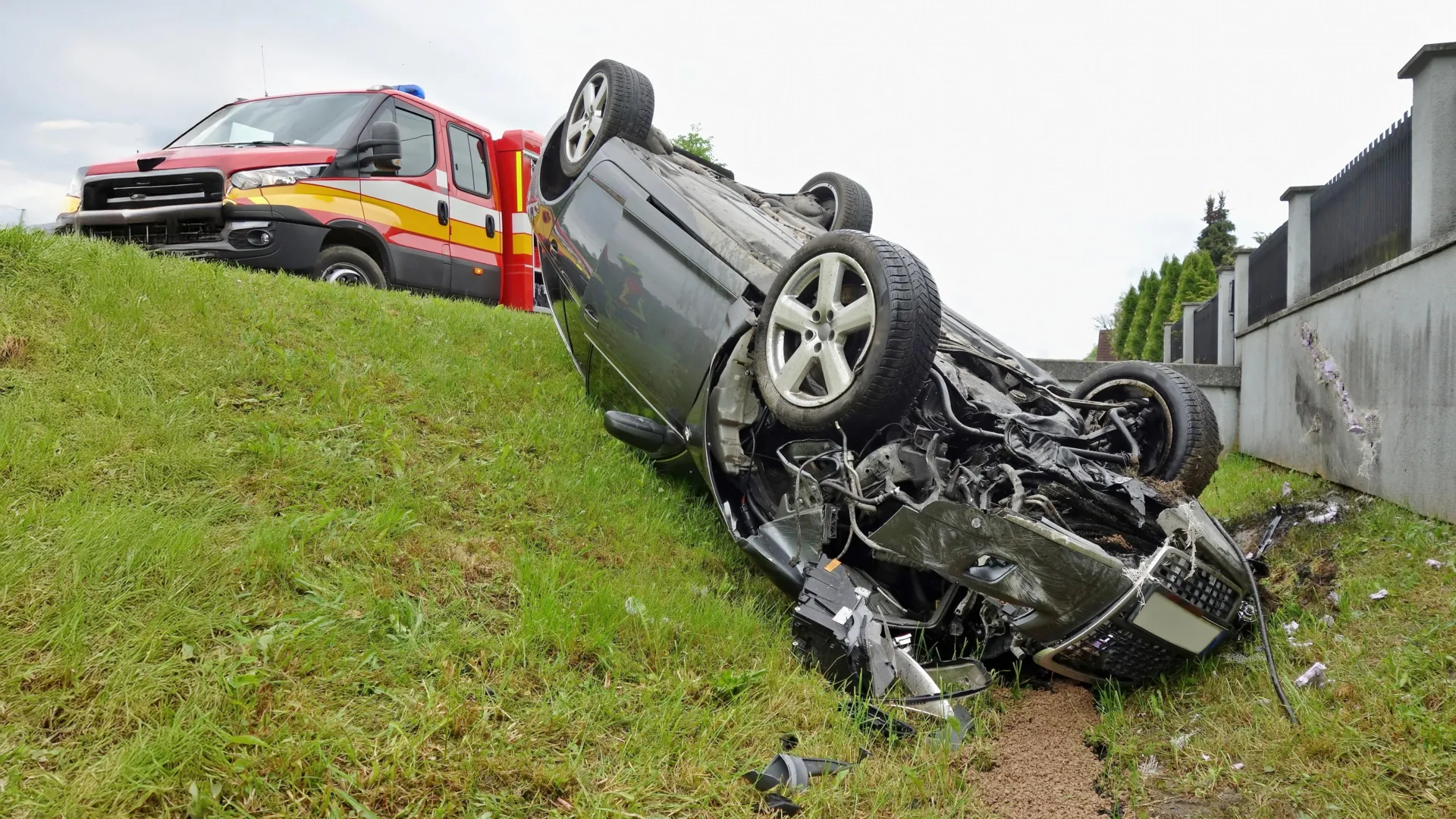
This creates a massive "blind spot" in road safety. A driver might be weaving through traffic or failing to maintain a lane due to the synergetic effects of a brownie and a drink, yet pass a roadside test, leading officers to believe they are sober. This discrepancy points to a desperate need for new, scientifically validated methods of detecting impairment that go beyond the breathalyzer.
Official Responses and Expert Insights
Dr. Tory Spindle, the study’s principal investigator and an associate professor of psychiatry and behavioral sciences, noted the urgency of these findings. "We designed this study because people are increasingly co-using alcohol with edible cannabis products, yet controlled research has largely focused on smoked cannabis," Spindle stated. "This is the first controlled study to examine how cannabis edibles and alcohol interact, despite their growing combined use. Consuming typical retail doses of cannabis edibles alongside even low doses of alcohol can produce driving impairment comparable to—or greater than—alcohol alone at the legal limit."
The research team, which included experts such as Dr. Ryan Vandrey, Dr. Elise Weerts, Dr. David Wolinsky, and Dr. Denis Antoine, emphasized that the current legal benchmarks for impairment are becoming increasingly obsolete. The 0.08% BrAC standard, while effective for alcohol in isolation, fails to account for the "polysubstance" reality of modern driving impairment.
Implications: The Path Forward for Public Safety
The Johns Hopkins study arrives at a pivotal moment in legislative history. As more states move toward full legalization, the conversation surrounding "DUI" (Driving Under the Influence) is becoming more complex. The study suggests three major areas where policy and public awareness must evolve:
1. Revisiting Legal Standards
The researchers argue that the 0.08% BrAC threshold may not be a sufficient indicator of safety when cannabis is involved. If the combined effect of a 0.05% BrAC and a 10mg THC edible creates impairment equal to or worse than a 0.08% BrAC alone, then our laws may need to be updated to reflect lower thresholds for individuals who have clearly consumed cannabis.
2. The Need for Better Detection Technology
Because current physical field tests are unreliable, there is an urgent need for the development of new technologies. This could include advancements in saliva testing, more sophisticated behavioral testing, or rapid, non-invasive biomarker detection that can accurately measure recent cannabis consumption in a way that correlates to actual driving impairment.
3. Public Awareness Campaigns
There is a massive gap in public perception. Many users of cannabis edibles do not view their consumption as a "driving impairment" issue in the same way they view alcohol. The "Don’t Drink and Drive" message is well-entrenched, but the public needs to be educated on the specific dangers of "Mixing and Driving." Education campaigns should emphasize that the high from an edible is not just different from smoking—it is potent, long-lasting, and when paired with alcohol, creates a "synergistic" hazard that no driver should underestimate.
Conclusion
The Johns Hopkins Medicine study is more than just academic data; it is a vital warning for a society currently in the midst of a massive shift in drug policy. The combination of cannabis edibles and alcohol is not a benign recreational choice—it is a significant, measurable, and dangerous threat to road safety. As the researchers continue their work, the challenge for policymakers will be to ensure that our legal and safety infrastructure keeps pace with the changing habits of the public, ensuring that the convenience of modern cannabis consumption does not come at the cost of human lives on the road.