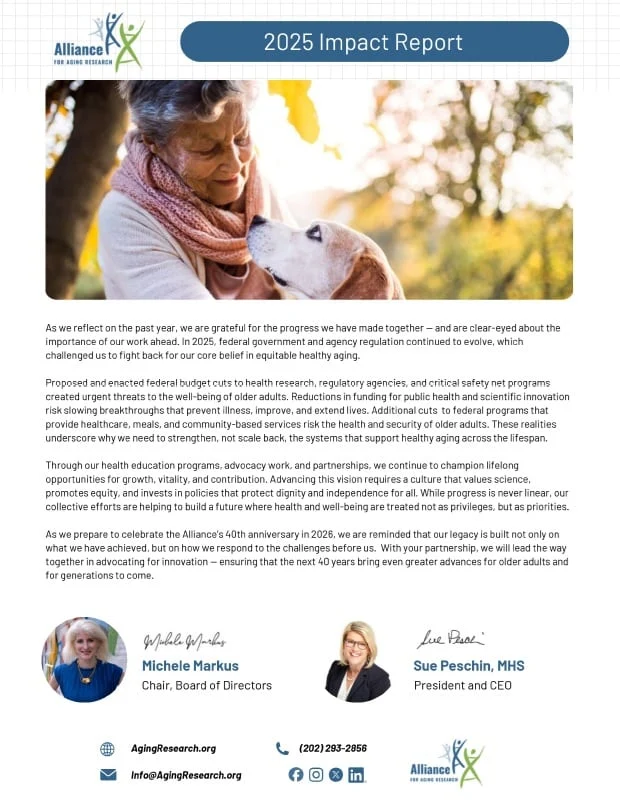
As the global population undergoes a profound demographic shift, the imperative for robust health education, evidence-based advocacy, and structural policy reform has never been more urgent. This month, the Alliance for Aging Research—the nation’s leading nonprofit organization dedicated to accelerating the pace of scientific discovery and improving the lives of older adults—officially released its 2025 Impact Report.
The document serves as more than a simple summary of the past twelve months; it is a comprehensive manifesto of the Alliance’s mission, detailing the intricate work of its board, staff, and partners in fostering equitable healthy aging. With a legacy spanning four decades, the 2025 edition of the report arrives at a pivotal juncture, highlighting how the organization is navigating an evolving federal regulatory landscape to ensure that the needs of older Americans remain at the forefront of the national agenda.
The Core Mandate: Main Facts and Strategic Priorities
The 2025 Impact Report provides a transparent, interactive window into the Alliance’s operations. At its heart, the report captures the dual nature of the Alliance: a research-driven advocacy group that balances high-level policy engagement with grassroots health education.
Key pillars highlighted in the report include:
- Health Education: Expansion of patient-centered resources designed to bridge the gap between complex medical research and actionable health literacy for older adults.
- Advocacy: Aggressive engagement with federal agencies to protect access to life-saving innovations and therapies.
- Equity: A renewed focus on addressing disparities in aging, ensuring that advancements in longevity and quality of life are accessible to all demographics, regardless of socioeconomic background.
By digitizing this report as both an interactive web experience and a downloadable PDF, the Alliance has ensured that its findings remain accessible to policymakers, healthcare providers, researchers, and—most importantly—the older adults they represent.
A Year of Resilience: Chronology of 2025
The 2025 calendar year was defined by a volatile federal environment. For the Alliance, this meant pivoting from proactive policy advocacy to reactive defense against regulatory shifts that threatened to stifle medical innovation.
Q1-Q2: Establishing the Regulatory Front
Early in the year, the Alliance mobilized its coalition to address emerging challenges within federal agencies. As regulatory bodies began recalibrating their oversight of geriatric drug development and insurance coverage, the Alliance positioned itself as the primary voice for the patient experience. The report details how the organization utilized expert testimony and data-driven white papers to inform agency decision-makers.
Q3: Scaling Advocacy and Educational Outreach
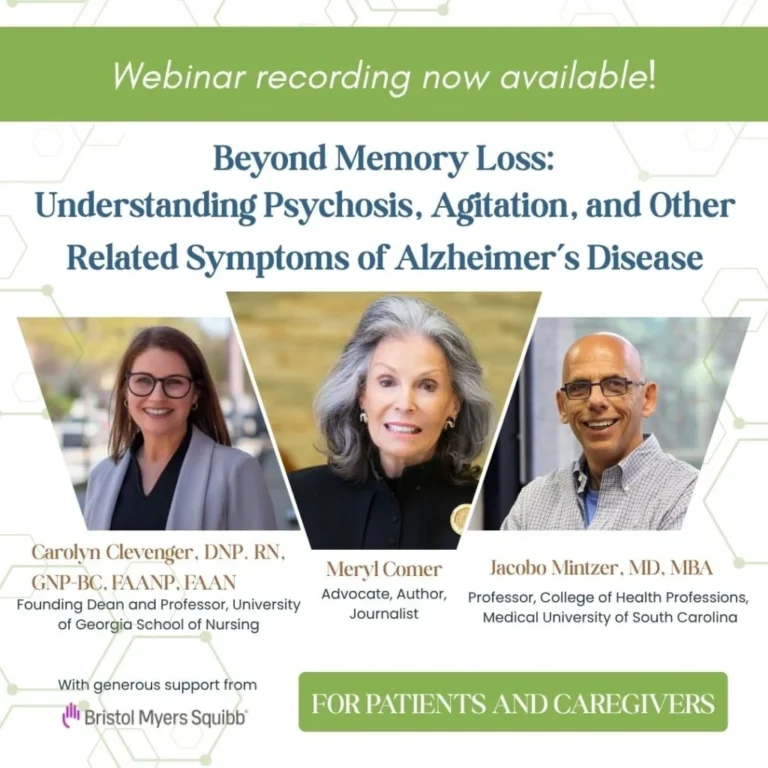
Mid-year, the focus shifted toward the “Healthy Aging Initiative,” a series of webinars, workshops, and digital toolkits designed to empower seniors to advocate for their own care. This period saw a record uptick in engagement with the Alliance’s digital platforms, as older adults sought clarity on navigating shifting healthcare guidelines.
Q4: Reflection and Strategic Planning for the 40th Anniversary
As the year concluded, the Alliance shifted its focus toward the future. With the organization celebrating its 40th anniversary, the final months of 2025 were spent synthesizing the year’s victories into a roadmap for the next decade. The Impact Report serves as the concluding chapter of this reflective process, setting the stage for 2026 and beyond.
Supporting Data: The Power of Informed Advocacy
The Alliance’s influence is quantified through a rigorous approach to data. The 2025 report outlines several key metrics that demonstrate the organization’s reach:
- Policy Impact: Through direct consultation with federal agencies, the Alliance helped shape guidelines that affect the development of therapies for neurodegenerative diseases and cardiovascular health.
- Health Literacy Reach: Millions of impressions across digital health education channels, with a significant increase in downloads of patient-facing fact sheets compared to 2024.
- Coalition Building: The expansion of the Alliance’s network of partners, including medical societies, patient advocacy groups, and research institutions, creating a unified front that commands attention on Capitol Hill.
These numbers reflect a deliberate strategy: combining the clinical expertise of top-tier scientists with the raw, lived experience of patients to create a powerful, undeniable argument for prioritized aging research.
Official Responses: A Leadership Perspective
In a joint statement accompanying the report’s release, Alliance Board Chair Michele Markus and President & CEO Sue Peschin reflected on the complexity of the current landscape.
"As we reflect on the past year, we are grateful for the progress we have made together—and are clear-eyed about the importance of our work ahead," the leaders noted. Their statement highlighted the inherent tension of the current era: while scientific innovation is moving at a breakneck pace, the regulatory and financial structures governing these innovations are struggling to keep up.
"In 2025, federal government and agency regulation continued to evolve, which challenged us to fight back for our core belief in equitable healthy aging," they added. This acknowledgment serves as a rallying cry, emphasizing that the Alliance does not merely observe policy—it actively shapes the environment in which aging research flourishes.
Implications for the Future of Aging
The release of the 2025 Impact Report carries significant implications for the broader healthcare ecosystem. As the "Silver Tsunami" continues to reshape American society, the Alliance’s work acts as a stabilizer.
The Innovation Gap
One of the most pressing issues addressed in the report is the need to incentivize innovation in the geriatric space. As the population ages, the prevalence of chronic, age-related conditions is set to skyrocket. The Alliance argues that without consistent federal support and a regulatory framework that encourages, rather than punishes, the development of specialized therapies, the healthcare system will face an insurmountable burden.
Bridging the Equity Divide
Perhaps the most critical implication of the 2025 report is the emphasis on equity. Aging is not a uniform experience. By highlighting the disparities in access to care, the Alliance is pushing for policy changes that consider social determinants of health. The implication is clear: the future of aging in America must be inclusive to be sustainable.
The Role of the Patient
Finally, the report underscores a paradigm shift: the older adult is no longer a passive recipient of healthcare but an active participant. By providing the tools for self-advocacy, the Alliance is creating a more informed and empowered electorate. This shift is likely to have long-term consequences for how legislators perceive aging issues, moving them from "special interest" topics to central national concerns.
Conclusion: Looking Ahead to a New Era
As the Alliance for Aging Research marks its 40th anniversary, the 2025 Impact Report stands as a testament to its enduring relevance. In a world where the speed of technological change can often overshadow the human experience, the Alliance remains a dedicated steward of the aging experience.
For those interested in exploring the full scope of the organization’s efforts, the 2025 Impact Report is available via the Financial Reports & Funding page. Whether accessed as an interactive web page or a downloadable PDF, the document is a vital resource for anyone invested in the future of human health.
"All of us at the Alliance for Aging Research thank you for taking the time to explore our impact in 2025," said Katie Riley, Vice President of Communications. "We are grateful to you and our entire community of partners, whose generous support allows us to do meaningful work for older adults and their loved ones."
As the Alliance enters its fourth decade, its mission remains unchanged: to catalyze research, educate the public, and advocate for policies that make long, healthy lives a reality for everyone. To stay connected, support the cause, and learn more about upcoming initiatives, visit www.AgingResearch.org.
Katie Riley is the Vice President of Communications at the Alliance for Aging Research, overseeing the organization’s strategic messaging and public engagement efforts.