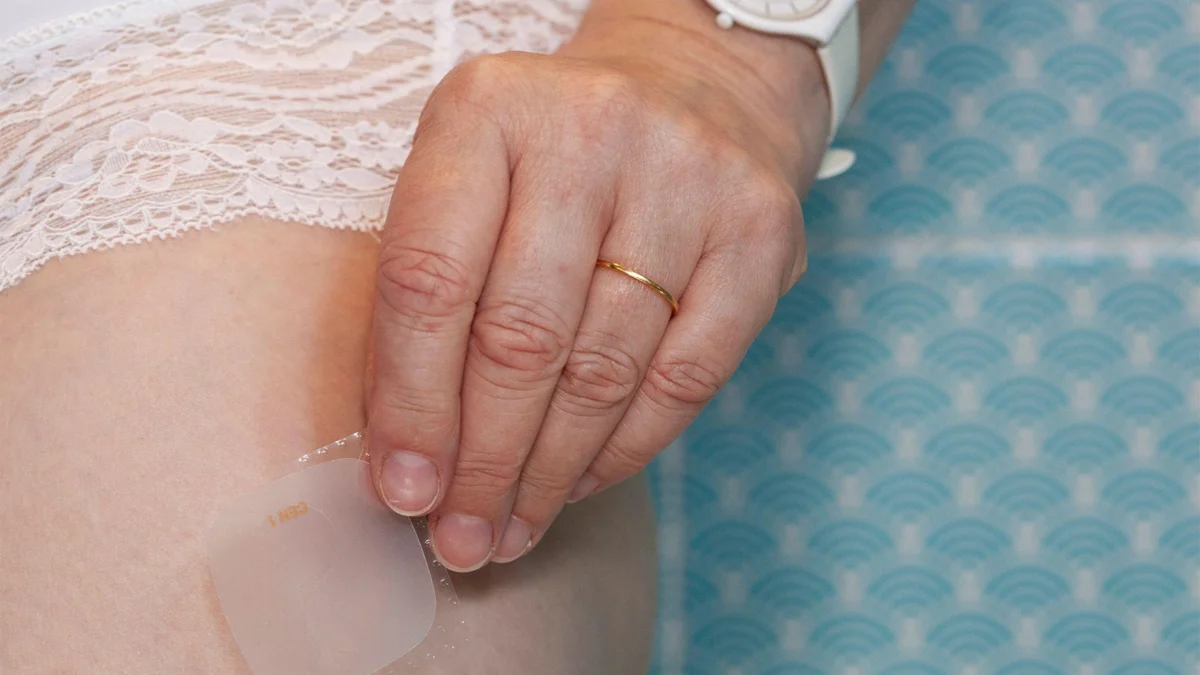
For decades, the medical community has grappled with the complex, often polarizing role of Hormone Replacement Therapy (HRT) in women’s health. Once a standard prescription for managing menopausal symptoms, HRT saw a dramatic decline in usage following high-profile safety concerns at the turn of the millennium. However, a massive new prospective study involving nearly 185,000 women in the United Kingdom suggests that the medical consensus on HRT may be due for a fundamental shift, particularly concerning its potential to safeguard long-term cognitive health.
Published in the journal Alzheimer’s & Dementia, the study conducted by researchers at the University of East Anglia provides what many experts are calling the most compelling evidence to date that timing is everything when it comes to hormonal intervention and brain health.
Main Facts: A New Perspective on HRT
The study, led by Anne-Marie Minihane, PhD, analyzed data from 183,450 postmenopausal women within the U.K. Biobank. Over a 13-year follow-up period, the researchers investigated the correlation between HRT use—defined as at least one year of treatment—and the subsequent development of all-cause dementia.
The headline finding is striking: HRT use was associated with a 10% lower risk of all-cause dementia (hazard ratio [HR] 0.90, 95% CI 0.84-0.96). This protective association was particularly pronounced regarding Alzheimer’s disease, where HRT users showed a 16% reduction in risk (HR 0.84, 95% CI 0.77-0.92). Conversely, the study did not find a statistically significant association between HRT and non-Alzheimer’s forms of dementia, suggesting that the therapy’s neuroprotective mechanisms may be specific to the underlying pathologies of Alzheimer’s.
A Chronology of Controversy and Scientific Evolution
To understand the significance of the U.K. Biobank findings, one must view them through the lens of medical history.
The Era of Optimism
Prior to the early 2000s, observational studies frequently suggested that estrogen could provide broad systemic benefits, including protection against cardiovascular disease and cognitive decline. HRT was widely prescribed, and many clinicians believed it could act as a "fountain of youth" for aging women.
The WHIMS Turning Point (2003)
The landscape changed abruptly in 2003 with the publication of the Women’s Health Initiative Memory Study (WHIMS). This trial reported that estrogen-plus-progestin formulations actually increased the risk of probable dementia in women aged 65 and older. The findings sent shockwaves through the medical establishment, leading to a "black-box" warning on HRT labels and a massive exodus from the treatment. In the United States, HRT prescription rates plummeted from nearly 27% in 1999 to under 5% by 2020.
The Re-evaluation (2026 and Beyond)
The stigma surrounding HRT has slowly begun to dissipate. In 2026, the FDA removed the long-standing black-box warnings, acknowledging that the risks associated with HRT are highly dependent on age, the timing of initiation, and the specific composition of the hormones used. The U.K. Biobank study acts as a capstone to this period of re-evaluation, providing a nuanced look at why early, rather than late, intervention may be the key to cognitive preservation.
Supporting Data: The "Window of Opportunity"
The most critical takeaway from the U.K. Biobank research is the identification of a specific "window of opportunity." The researchers found that the protective effects of HRT were not uniform across all age groups.
- Age 46 to 50: Women starting HRT in this bracket saw an HR of 0.87 (95% CI 0.80-0.95).
- Age 51 to 56: This group saw the most significant benefit, with an HR of 0.77 (95% CI 0.70-0.86).
This data strongly supports the "window of opportunity" hypothesis, which posits that the brain remains responsive to estrogenic neuroprotection during the perimenopausal and early postmenopausal transition, but loses that receptivity as the brain ages or as neurodegenerative processes advance.
Furthermore, the researchers identified specific subgroups who seemed to derive the greatest benefit:
- Surgical Menopause: Women who underwent surgical menopause (ovariectomy) showed a risk reduction of 26% (HR 0.74).
- Genetic Susceptibility: Women carrying the APOE4 gene—the strongest genetic risk factor for Alzheimer’s—showed a 13% reduction in risk when using HRT.
- Low Estrogen Exposure: Women with lower baseline endogenous estrogen exposure saw a 16% reduction in risk.
Official Responses and Expert Analysis
The study has been met with a mixture of enthusiasm and academic caution from the global scientific community. Aimee Spector, PhD, of University College London, noted that the findings provide a vital empirical foundation for what has previously been theoretical.
"This supports the ‘window of opportunity’ hypothesis, suggesting that HRT use during the menopause transition phase, where symptoms are typically more problematic, is important," Spector wrote via the U.K. Science Media Center.
Sarah James, PhD, also of University College London, emphasized the necessity of future research to clarify the variables of treatment. "The results around surgical menopause and earlier HRT initiation are particularly interesting and provide compelling evidence that timing and individual circumstances matter," she stated. However, James cautioned that the current data relies on generic HRT information, which complicates the ability to prescribe based on specific dosages or delivery methods (e.g., transdermal patches vs. oral tablets).
The researchers themselves acknowledge these limitations. While the study is the largest of its kind, it remains an observational analysis of self-reported data. The team calls for randomized controlled trials (RCTs) that can account for the formulation, dose, and route of administration to move from correlation to causation.
Implications: The Future of Women’s Brain Health
The implications of these findings are profound for both public health policy and clinical practice.
Addressing the Gender Gap
Dr. Minihane highlighted a critical public health reality: women account for nearly two-thirds of all Alzheimer’s cases. "In addition to living longer, the reason behind the higher female prevalence is thought to be related to the effects of menopause on brain metabolism and the impact of the main genetic risk factor APOE4 being greater in women," she explained. By addressing the hormonal shifts that occur during midlife, clinicians may finally have a viable strategy to mitigate the disproportionate burden of dementia that women face.
Shifting the Clinical Conversation
The medical community is currently at a crossroads. For two decades, the fear of dementia as a side effect of HRT deterred millions of women from seeking relief from debilitating menopausal symptoms. If this study is confirmed by future trials, the conversation may shift from "Should we use HRT?" to "How can we optimize HRT for individual patients to protect their future cognitive health?"
A Call for Precision Medicine
The variability in the data—where women with surgical menopause or APOE4 mutations showed distinct protective responses—suggests that HRT should not be treated as a "one-size-fits-all" intervention. Instead, the future of menopause management likely lies in precision medicine, where a woman’s genetic profile, history of estrogen exposure, and timing of the menopausal transition are used to craft a personalized HRT regimen.
As the scientific community looks ahead, the U.K. Biobank study serves as a beacon of hope. While it is not a "cure" for dementia, it represents a significant step toward understanding the complex interplay between endocrine health and neurological integrity. For millions of women, the "window of opportunity" may be more than just a theory—it may be a gateway to a healthier, more cognitively robust future.