









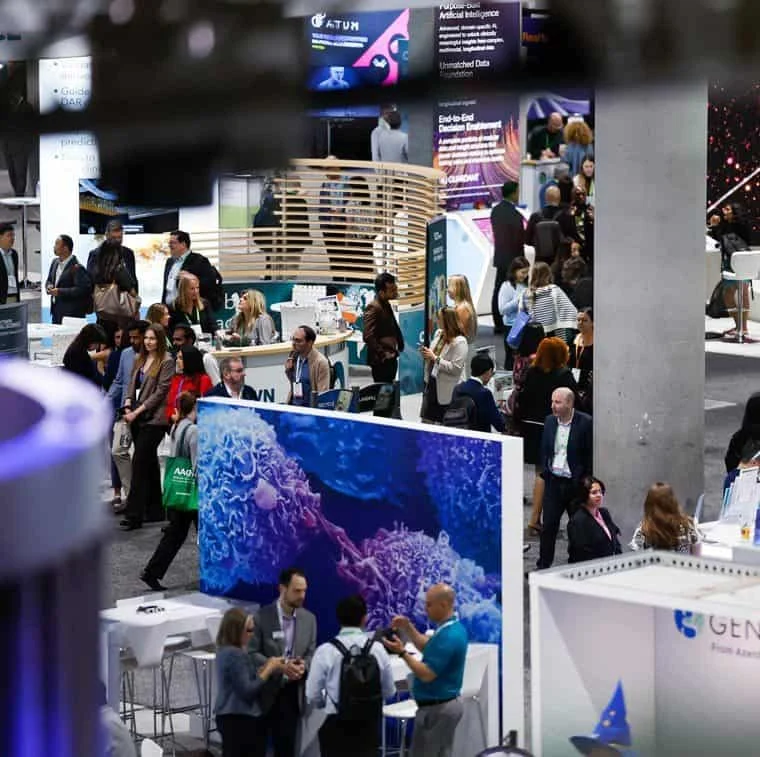
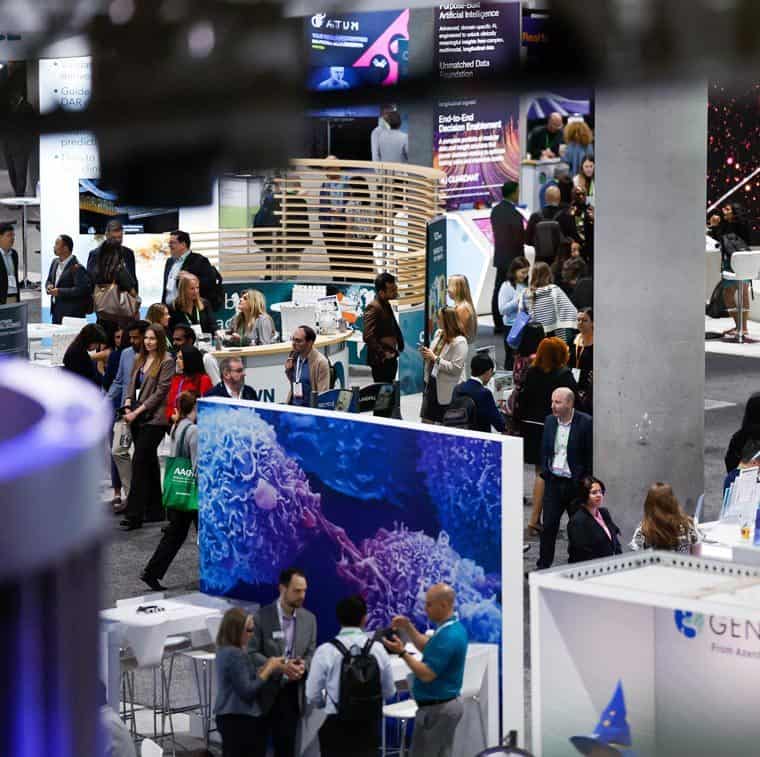
At the 2026 American Association of Cancer Research (AACR) Annual Meeting, the atmosphere was defined by a dual sense of triumph and urgency. National Cancer Institute (NCI) Director Anthony Letai, MD, PhD, took the stage to deliver a keynote that served as both a victory lap for the current era of immunotherapy and a stark call to action regarding the systemic hurdles that remain. As the oncology community gathers to assess the state of the war on cancer, the consensus is clear: while we have entered an age of unprecedented scientific discovery, the transition from the laboratory bench to the patient’s bedside remains fraught with friction.
Main Facts: A New Era of Precision and Persistence
The 2026 American Cancer Society Cancer Statistics report offers a compelling narrative of success: cancer mortality in the United States has plummeted by approximately one-third over the last 30 years. This progress is not merely a statistical curiosity; it represents millions of additional birthdays, anniversaries, and milestones shared by patients and their families.
However, Dr. Letai cautioned against complacency. The cancer landscape is shifting, characterized by increasing biological complexity and the emergence of new, paradoxical trends. The defining challenge of the next decade, according to Dr. Letai, is not just the discovery of new molecules, but the engineering of a research ecosystem that can effectively manage the variability of cancer at a patient-specific level. The shift toward precision medicine—where treatment is dictated by the unique genomic and spatial profile of an individual’s tumor—is no longer an aspiration; it is an immediate necessity.
A Chronology of Progress and Emerging Threats
The trajectory of cancer research over the last three decades has been marked by three distinct phases:
- 1996–2010: The Era of Targeted Therapies. Research shifted from broad-spectrum cytotoxic chemotherapy to drugs designed to inhibit specific molecular pathways involved in tumor growth.
- 2010–2025: The Immunotherapy Revolution. The rise of checkpoint inhibitors and CAR-T cell therapies fundamentally altered survival rates for previously "untreatable" cancers, such as metastatic melanoma and certain blood cancers.
- 2026–Present: The Era of Data Integration and Precision. We are now in a phase defined by the need for massive, harmonized data sets and AI-driven predictive modeling to overcome the limitations of current treatments, such as acquired resistance and tumor recurrence.
Despite this progress, the clinical reality is shifting under our feet. Most alarming is the documented surge in early-onset cancers. Colorectal cancer, once considered a disease of the elderly, has now ascended to become the leading cause of cancer-related mortality among adults under the age of 50. With incidence rates climbing by nearly 3% annually in younger cohorts, the research community is racing to understand the environmental, dietary, and genetic triggers fueling this demographic shift.
Supporting Data: The Hurdles to Innovation
The transition from promising laboratory data to life-saving clinical practice is being bottlenecked by three primary systemic issues:
1. The Data Silo Problem
While researchers are generating more genomic and spatial data than ever before, this information often remains trapped in isolated databases. The lack of standardized, harmonized, and AI-ready data sets prevents researchers from drawing cross-system comparisons. Initiatives like the Cancer Research Institute’s (CRI) Discovery Engine are essential in this regard, acting as a digital foundation that allows for the integration of high-quality, comparable data that can be queried by machine learning algorithms to identify which patients will respond to which immunotherapies.
2. Clinical Trial Inefficiency
Dr. Letai highlighted a concerning disparity in the speed of early-phase clinical trials. While the U.S. remains a global leader in basic research, the regulatory and operational pathways for early-stage human testing are increasingly viewed as sluggish compared to international competitors, particularly in China. The need for "parallel processing"—where regulatory approval, site recruitment, and patient screening happen concurrently rather than sequentially—is vital to maintaining the competitive edge of American oncology.
3. The Talent Pipeline
Perhaps the most human-centric challenge is the fragility of the next generation of scientists. Young investigators are currently navigating a landscape of funding uncertainty, administrative hurdles, and hiring delays that threaten to push them out of the field. The NCI and organizations like the CRI are prioritizing programs—such as the CRI’s IGNITE Award—to provide five-year, career-defining support that bridges the gap between postdoctoral training and independent faculty positions.
Official Responses and Strategic Shifts
Dr. Letai’s address emphasized that the NCI is not merely a funding body but an architect of a more resilient research ecosystem. His response to the current challenges involves a three-pronged strategic shift:
- Systematized Collaboration: The NCI is pushing for a departure from the "lone wolf" model of research. By fostering environments where data is shared by default, the goal is to create a collective intelligence that can solve problems like treatment resistance, which often emerges as a tumor evolves to bypass the immune system.
- Regulatory Modernization: Dr. Letai called for a streamlined regulatory pathway that prioritizes "speed to patient" without sacrificing safety. This includes leveraging adaptive trial designs that allow for real-time changes based on interim clinical data.
- Equitable Access: The NCI is doubling down on initiatives that bring screening and diagnostic tools to underserved and economically marginalized communities. Scientific innovation is only as effective as its distribution; therefore, the NCI is working to bridge the "implementation gap" that currently leaves too many patients behind due to geographic or socioeconomic barriers.
Implications: The Future of Precision, Partnership, and Purpose
As the AACR meeting concluded, three guiding principles emerged as the mandate for the coming year: Precision, Partnership, and Purpose.
The Implication of Precision
Precision medicine is no longer a luxury. As we uncover the heterogeneity of tumors, we realize that "standard of care" is a fading concept. The future involves diagnostic tools that map the tumor microenvironment in three dimensions, allowing clinicians to predict not only if a therapy will work, but for how long it will remain effective before the cancer evolves resistance.
The Implication of Partnership
The complexity of cancer demands a multidisciplinary, multi-sector approach. The partnership between the NCI, private philanthropic organizations like the CRI, and the global research community is the engine of innovation. By sharing the risks and the resources, the field can afford to pursue higher-risk, higher-reward projects that individual institutions might otherwise shy away from.
The Implication of Purpose
Finally, the research community is refocusing on the patient experience. The metrics of success are evolving beyond "overall survival" to include "quality of life" and "equitable outcomes." Every breakthrough, regardless of how elegant it appears at the molecular level, must be measured by its ability to reach the patient in a community clinic as effectively as it does in a major academic research hospital.
For the patients and families looking toward the research community for hope, the message from the 2026 AACR meeting is one of tempered optimism. The obstacles are formidable, ranging from the rising incidence of early-onset disease to the persistent gaps in clinical trial efficiency. However, the roadmap for progress is more detailed than ever. By investing in the next generation of scientists, embracing AI-ready data infrastructure, and relentlessly pursuing health equity, the oncology community is poised to turn the tide once more.
The next breakthrough is already being built—in the data, in the labs, and in the collaborative networks being established today. As Dr. Letai emphasized, the future of cancer research is not a distant horizon; it is an active, ongoing construction, and its success depends entirely on the actions taken at this critical juncture.