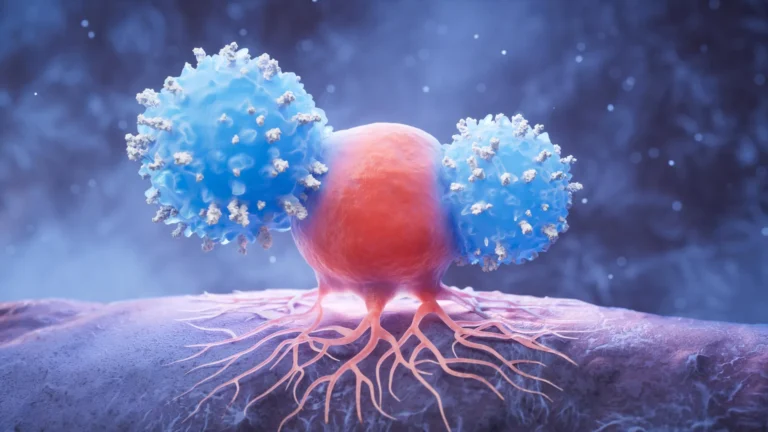






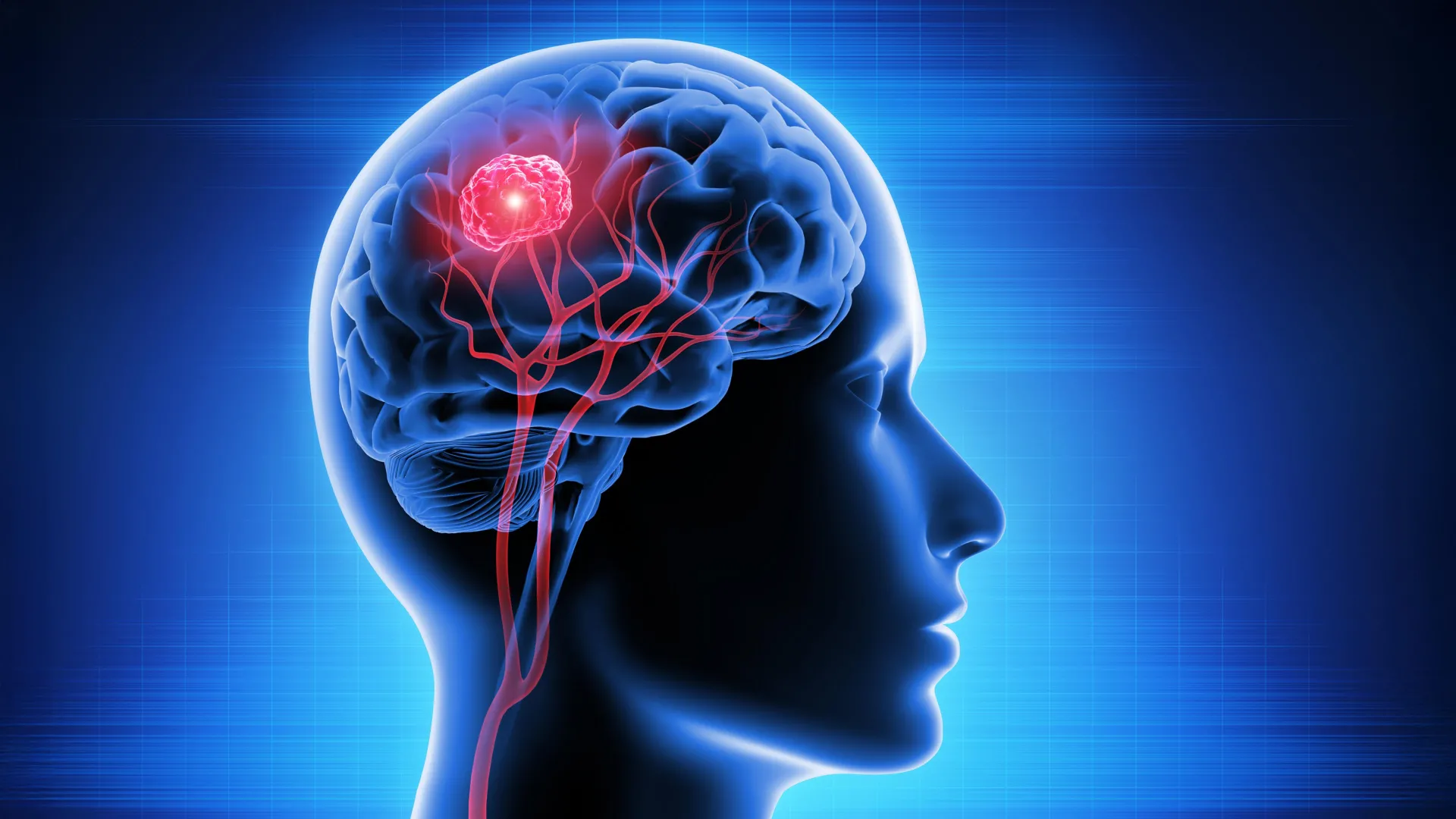
Glioblastoma multiforme (GBM) remains one of the most formidable challenges in modern oncology. Defined by its aggressive growth, invasive nature, and notorious ability to evade standard therapeutic interventions, this primary brain tumor leaves patients with a median survival time often measured in mere months. However, a new study published in the journal Oncoscience offers a glimmer of hope, unveiling a novel therapeutic approach that utilizes a modified form of vitamin B12 to bypass the brain’s most stubborn defense mechanism: the blood-brain barrier (BBB).
The study, titled "Selective blood-brain barrier penetration and tumor targeting of nitrosylcobalamin in glioblastoma: Pharmacokinetics, tissue distribution, and synergistic activity with trail and temozolomide," details how researchers successfully harnessed the body’s natural metabolic pathways to deliver targeted nitric oxide therapy directly into the heart of malignant brain tumors.
The Persistent Challenge of Glioblastoma
To understand the gravity of this discovery, one must first understand the clinical landscape of glioblastoma. GBM is characterized by its high cellular heterogeneity and its capacity to infiltrate surrounding healthy brain tissue, making complete surgical resection nearly impossible. While current standards of care—surgery, followed by radiation and the chemotherapy agent temozolomide—can extend survival, they rarely offer a cure.
The primary culprit behind this treatment failure is the blood-brain barrier. The BBB is a highly selective semipermeable border of cells that prevents solutes in the circulating blood from crossing into the extracellular fluid of the central nervous system. While this barrier protects the brain from toxins and pathogens, it also prevents the vast majority of chemotherapeutic drugs from reaching the tumor site in therapeutic concentrations. Consequently, doctors are often forced to use high, systemic doses of medication that cause significant toxicity to the rest of the body while remaining largely ineffective against the tumor itself.
Chronology of the Research: From Concept to Clinical Potential
The research team, led by Joseph A. Bauer of Nitric Oxide Services, LLC, and the Cleveland Clinic Foundation Taussig Cancer Center, began with a hypothesis centered on metabolic hijacking. They focused on nitrosylcobalamin (NO-Cbl), a complex derivative of vitamin B12 (cobalamin).
Phase I: In Vitro Sensitivity
The investigation commenced with the NCI-60 human tumor cell line panel. By subjecting sixty diverse human cancer cell lines to NO-Cbl, the researchers established a baseline for the compound’s antitumor activity. The results were encouraging: NO-Cbl exhibited consistent efficacy across a broad spectrum of malignancies, with central nervous system-derived tumor cells showing a noteworthy degree of sensitivity to the treatment.
Phase II: Pharmacokinetics and BBB Penetration
Following the success in laboratory cultures, the team moved to in vivo models, specifically rats implanted with glioblastoma tumors. The goal was to determine if the molecule could physically traverse the BBB. In a pivotal set of experiments, the researchers administered NO-Cbl systemically and monitored its accumulation. The data revealed that not only did the compound cross the barrier, but it also preferentially accumulated within the glioblastoma tissue, leaving healthy surrounding tissue largely unaffected.
Phase III: Synergistic Efficacy
The final phase of the pilot study examined how NO-Cbl performed when paired with existing therapies. By combining the compound with TRAIL (a protein that induces apoptosis) and temozolomide (the current gold standard chemotherapy), the team observed a significant amplification of antitumor effects. This suggests that NO-Cbl does not just act as a standalone drug, but as a potent sensitizer that makes existing treatments more effective.
Supporting Data: The Science of Retention
One of the most compelling aspects of the study is the evidence of "selective retention." The research team found that nitrate levels—the breakdown product of nitric oxide—remained elevated in the tumor microenvironment for at least 24 hours post-administration. In contrast, nitrate levels in healthy brain tissue declined rapidly.
This "temporal signature" indicates that NO-Cbl is not merely passing through the brain but is being actively sequestered by the tumor cells. Figures 2 and 3 of the published study provide a visual and analytical confirmation of this, showing distinct spikes in cobalamin-related metabolites within the tumor mass compared to other vital organs. This selective accumulation is the "holy grail" of drug delivery, potentially allowing for lower, safer doses of medication while maximizing impact on the malignancy.
Official Perspectives and Mechanistic Insights
According to Joseph A. Bauer, the lead author, the study represents a significant leap forward in translational neuro-oncology. "This pilot study demonstrates that NO-Cbl crosses the BBB, accumulates selectively in brain tumor tissue, and synergizes with established and experimental glioblastoma therapies," Bauer noted in the findings.
The mechanism by which NO-Cbl works is multifaceted. The study highlights three primary ways in which this compound undermines the defenses of a glioblastoma cell:
- Caspase-8 Activation: By triggering this enzyme, NO-Cbl initiates the intrinsic pathways of apoptosis, effectively telling the cancer cell to "self-destruct."
- NF-κB Suppression: Many cancers rely on the NF-κB signaling pathway to avoid cell death. By suppressing this survival signal, NO-Cbl strips the tumor of its ability to withstand stress.
- S-Nitrosylation: This process strengthens TRAIL receptor signaling. By modifying these receptors, the treatment sensitizes the tumor to therapies that it previously resisted, essentially "re-arming" the body’s natural defenses against the cancer.
Implications for Future Oncology
While the results are undeniably promising, the authors exercise appropriate scientific caution. They categorize this as a pilot translational study, meaning that while the proof-of-concept is strong, the path to the clinic remains long.
Addressing Treatment Resistance
The most significant implication of this study is the potential to overcome chemo-resistance. Temozolomide is often effective initially, but glioblastoma cells frequently develop mutations or adaptive pathways that allow them to grow despite the presence of the drug. By adding NO-Cbl to the regimen, clinicians may be able to bypass these resistance mechanisms, effectively extending the "window of opportunity" for standard chemotherapy to work.
The Road Ahead: Future Directions
The research team has outlined a rigorous roadmap for the next stages of development:
- Orthotopic Validation: Moving beyond general tumor models to models that more accurately reflect the specific anatomical environment of the human brain.
- Dosing Optimization: Determining the precise therapeutic window that maximizes antitumor activity while minimizing systemic side effects.
- Longitudinal Tracking: Utilizing advanced imaging to track the long-term impact of nitric oxide delivery on tumor growth over weeks or months.
- Broadening the Scope: Investigating whether this B12-delivery platform could be used to transport other, more toxic chemotherapeutic agents across the BBB, potentially revolutionizing how we treat not only brain cancer but also neurodegenerative conditions.
Conclusion: A New Strategy for a Persistent Foe
The development of NO-Cbl represents a sophisticated marriage of metabolic engineering and traditional pharmacology. By exploiting the brain’s hunger for nutrients—specifically B12—the researchers have effectively created a "Trojan Horse" that can slip past the blood-brain barrier to deliver a lethal payload to glioblastoma cells.
While the medical community awaits the results of larger, human-focused clinical trials, the implications of this study are profound. By improving the selectivity of drug delivery and enhancing the efficacy of existing protocols, the approach championed by Bauer and his team offers a tangible, science-based pathway toward turning glioblastoma from a terminal diagnosis into a manageable, and perhaps eventually, curable condition. The combination of barrier penetration, tumor-specific targeting, and synergistic activity positions nitrosylcobalamin as a prime candidate for the next generation of neuro-oncological treatments.