










By Diane Westwater
In the ancient, intricate tapestry of Ayurvedic medicine, the ultimate objective is not merely the absence of disease, but the cultivation of a profound, sustainable balance between the mind, body, and consciousness. Ayurveda views health as a dynamic state of harmony, and when that harmony is disrupted—often manifesting as psychosomatic disorders—the practitioner must act with precision. The initial challenge lies in determining the therapeutic pathway: should the body undergo "pacification" (Shamanam) or "cleansing" (Shodanam)?
When an individual presents with constitutional weakness or systemic depletion, Shamanam is the indicated protocol. It focuses on removing the root cause of distress while simultaneously nourishing and building strength. Once the system is sufficiently fortified, or in cases where the individual possesses the requisite vitality, the more rigorous process of Shodanam—purification—may be initiated to purge accumulated toxins and restore systemic flow.
The Pillars of Purification: Understanding Panchakarma
The cornerstone of Ayurvedic detoxification is a five-fold therapeutic process known as Panchakarma. The term is derived from the Sanskrit pancha (five) and karma (action). These five actions are designed to systematically strip away the accumulated metabolic waste—known as ama—that obstructs the body’s innate healing mechanisms.
While these five modalities cover a broad spectrum of internal cleansing, one of the most direct and potent methods is Nasya. As we navigate the winter months—a period defined in Ayurvedic tradition as "Kapha season"—our physiological focus shifts toward clearing the congestion and stagnation that characterizes this time of year.
The Seasonal Imperative: Navigating Kapha Season
To understand the necessity of winter cleansing, one must first understand the attributes of Kapha. The Kapha dosha is governed by elements of earth and water; its seasonal manifestation is cold, heavy, dense, slow, and cloudy. When these attributes become excessive in the human body, they manifest as lethargy, sinus congestion, mucus buildup, and a "foggy" mental state.
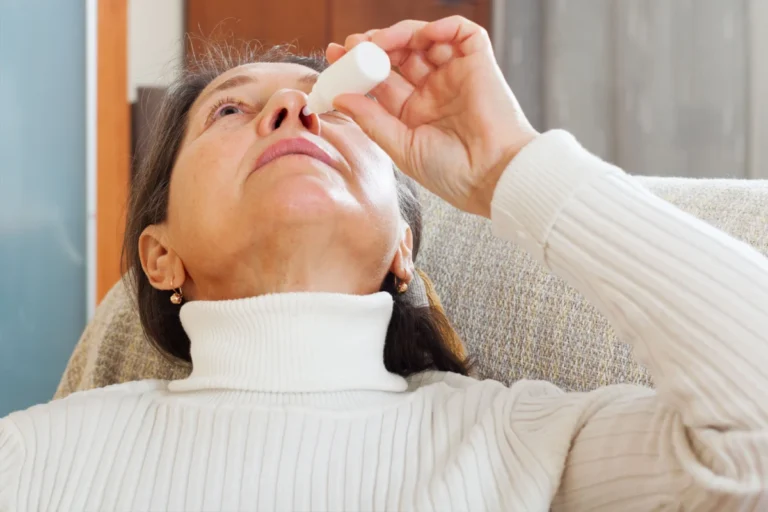
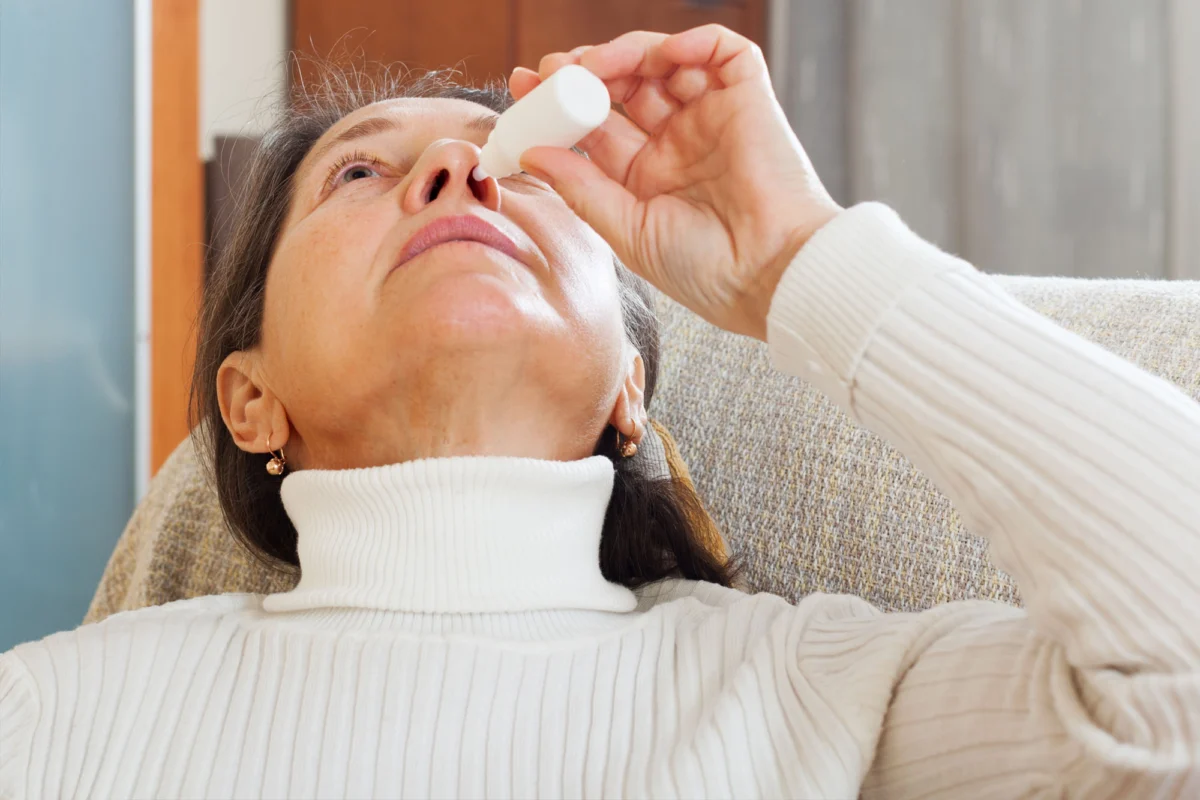
To counteract these qualities, Ayurveda prescribes an opposing energetic approach. We must introduce heating, drying, and expansive qualities into our daily regimen. Nasya, the nasal administration of medicinal substances, serves as a primary tool in this seasonal recalibration.
The Anatomical Gateway: Why the Nose?
In the Ayurvedic view, the nose is the literal door to the brain and the center of consciousness. Substances inhaled through the nasal passage do not merely affect the localized area; they exert a direct influence on the Majja Dhatu, or the nervous system.
When medicine is administered nasally, it initiates a purification of the Nadis—the energetic "rivers of life" that distribute prana (life force) throughout the body. The physiological mechanism is sophisticated: upon inhalation, the substance interacts with the cribriform plate at the base of the skull. This contact stimulates the meninges, the protective membranes surrounding the brain and spinal cord. The resulting rhythmic pumping action, facilitated by the movement of the diaphragm, promotes the circulation of cerebrospinal fluid and enhances arterial and venous flow. Consequently, this leads to a heightened state of mental clarity and improved respiratory function.
Clinical Perspectives and Traditional Methodologies
While the historical context of Nasya is deep, modern practitioners often look toward specific herbal agents to achieve the desired therapeutic results. The administration of these agents must be precise, as the sensitivity of the nasal mucosa demands a measured approach.
The Role of Vacha (Calamus Root)
Vacha root powder is widely regarded in Ayurvedic pharmacopeia as an essential tool for balancing Kapha. Its energetics are heating, pungent, and bitter—the exact profile required to cut through the heavy, dense accumulation of winter mucus.
Vacha serves to clear the srotas, the subtle channels of the body. By removing obstructions, it facilitates the movement of prana. Furthermore, Vacha is considered saatvic (pure/harmonious) in nature, providing essential nourishment to the mind. To utilize this, a small pinch of calamus root powder is inhaled into each nostril. While sneezing is a common and even desirable outcome—as it indicates the clearing of obstructed pathways—the goal is the restoration of the udana (the upward-moving vital air) and a refinement of perception.
The Ginger-Jaggery Protocol
For those seeking a more liquid-based nasal cleansing, the Ginger-Jaggery solution is a staple. While this method can be intense—often inducing a brief, sharp burning sensation and immediate lacrimation—the resulting "after-glow" is often described as exhilarating.
Preparation Protocol:
- Ingredients: 1 teaspoon of freshly grated ginger and 1 teaspoon of high-quality jaggery.
- Method: Combine these ingredients in 1/3 cup of water. Allow the mixture to steep, then strain through a fine cheesecloth, squeezing the solids to extract the potent juices.
- Application: Administer 2–3 drops into each nostril.
Note: This mixture must be prepared fresh for every application to ensure maximum potency and safety.
Supporting Data and Implications for Wellness
The implications of integrating regular Nasya into a winter wellness routine are significant. Beyond the relief of sinus congestion and tension headaches, the consistent application of these cleansing techniques helps maintain the "clarity of perception" that is essential for cognitive health during the darker, colder months of the year.
However, the efficacy of these treatments is inextricably linked to the quality of the ingredients and the intent behind their use. Because the nasal route provides direct access to the brain, the substances introduced must be of the highest quality—pure, organic, and free from contaminants.
Official Guidance and Professional Cautions
Despite the long history and success stories associated with these traditional cleansing methods, it is imperative to approach them with professional guidance. The Ayurvedic tradition, while holistic, is also highly personalized. A remedy that works for one individual’s constitutional type (Prakriti) may be contraindicated for another’s current state of imbalance (Vikriti).
Health professionals emphasize the following safety protocols:
- Consultation: Always speak with a qualified Ayurvedic practitioner or healthcare provider before beginning a Shodanam (cleansing) routine.
- Sensitivity: The nasal cavity is delicate. If you experience persistent irritation or discomfort, cease the practice immediately.
- Integrative Approach: Nasya should be viewed as one component of a broader lifestyle strategy, including seasonal diet (warm, cooked foods), regular movement, and adequate rest.
Looking Forward: The Future of Traditional Cleansing
As we continue to navigate the intersection of ancient wisdom and modern life, the practice of Nasya serves as a poignant reminder that health is not a passive state. It is an active, ongoing negotiation with our environment. By acknowledging the seasonal shifts in our own biology and utilizing the tools provided by centuries of Ayurvedic observation, we can better manage the stressors of the winter season.
The purification of the Nadis and the revitalization of prana are not merely archaic concepts; they are relevant, practical strategies for those seeking to enhance their vitality and mental acuity in an increasingly complex world. Whether through the heating, pungent properties of Vacha or the refreshing, restorative drop of a ginger-jaggery infusion, the path to balance is one of careful, deliberate, and mindful action.
In conclusion, the winter season need not be a time of stagnation. By embracing the principles of Shodanam and utilizing the transformative power of Nasya, we can ensure that our internal environment remains as clear, vibrant, and resilient as the crisp winter air outside. Always prioritize safety, seek professional counsel, and move with the wisdom that has preserved these practices for thousands of years.