





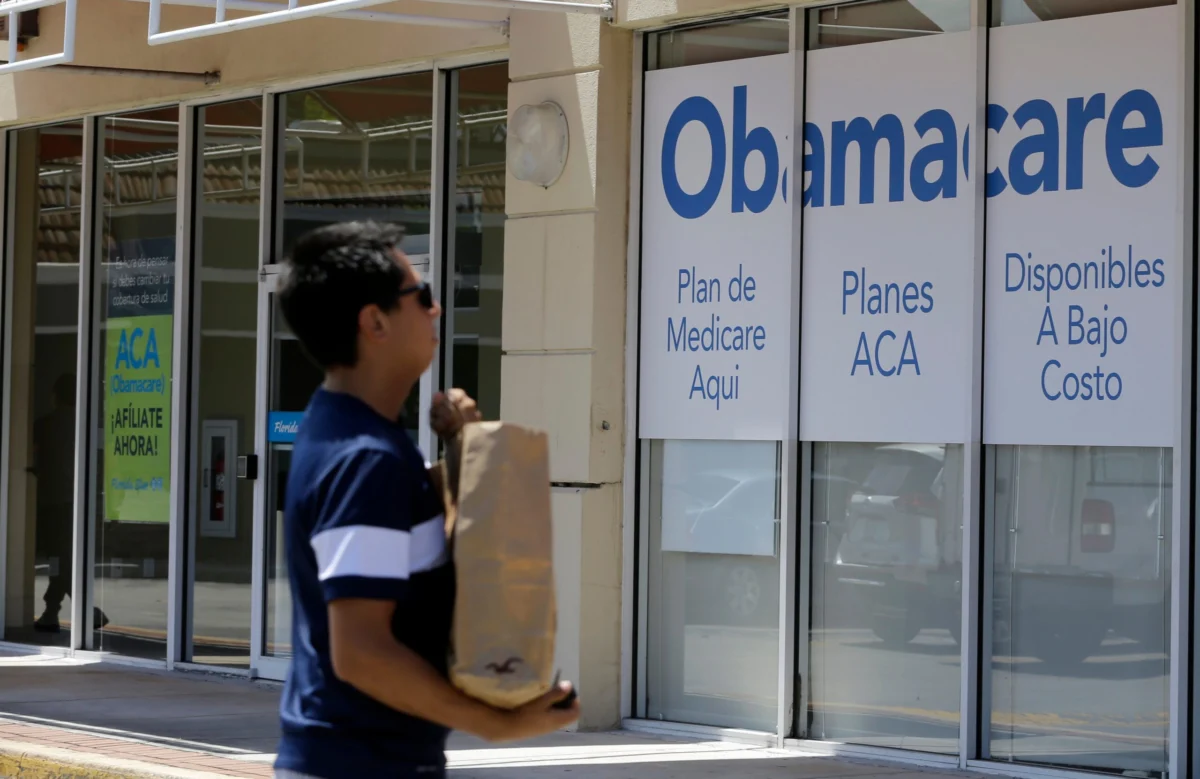
June 28, 2026 — The landscape of American healthcare access is undergoing a volatile shift. New federal data released Friday reveals a stark contraction in the Affordable Care Act (ACA) marketplace, with enrollment figures for February 2026 showing a decline of approximately 3 million people compared to the same period in 2025. This 13% drop—from 22.1 million to 19.2 million enrollees—marks a significant reversal of the enrollment growth trends that defined the post-pandemic era.
As the nation approaches a pivotal November election cycle, the erosion of these protections has ignited a fierce debate in Washington. While federal agencies point toward administrative cleanups, independent analysts warn that the decline is driven by an economic crisis in affordability, leaving millions of Americans without the safety net they rely on for essential medical care.
The Core Data: A Statistical Retreat
The report, published by the Department of Health and Human Services (HHS), provides the first official, comprehensive snapshot of the marketplace following the expiration of critical federal subsidies on January 1, 2026.
The data, compiled in April but reflecting coverage status as of February, is particularly revealing because it accounts for the "grace period" afforded to policyholders who fail to pay their premiums. In the insurance industry, this window allows individuals to maintain coverage while struggling to meet payment deadlines. The fact that enrollment figures dropped so sharply once this period lapsed suggests that the issue is not one of administrative glitch, but of fundamental financial insolvency among the insured population.
Chronology of the Decline: From Record Highs to Falling Numbers
To understand the current crisis, one must look at the trajectory of the ACA over the past 24 months:
- 2025 Peak: The ACA marketplace reached an all-time high of 22.1 million enrollees, bolstered by enhanced subsidies that kept premiums artificially low, even as healthcare inflation began to tick upward.
- Late 2025: As Congress debated the renewal of the American Rescue Plan’s enhanced subsidies, a stalemate emerged. Despite bipartisan pressure from some corners, the legislative extension failed to pass before the end of the calendar year.
- January 2026: Federal estimates indicated an initial cooling in the market, with 800,000 fewer people signing up compared to the same time in 2025. This was the first contraction in the enrollment window in four years.
- February 2026: The expiration of the grace period for those who could not meet the new, higher premium costs resulted in a mass exodus from the rolls, confirming the 3 million-person decline.
- The Future (2026 and beyond): Healthcare researchers at KFF project that the numbers will continue to slide, potentially bottoming out at 17.5 million by the end of the year if current economic conditions persist.
The "Phantom Enrollment" vs. Affordability Debate
A point of contention has emerged between federal authorities and independent healthcare analysts regarding the cause of this decline.
HHS officials have suggested that a portion of the 3 million drop can be attributed to a systematic "crackdown" on fraudulent or "phantom" enrollments. In recent years, the government has been under pressure to improve the integrity of the marketplace, identifying instances where third-party brokers or bad actors signed individuals up for plans without their consent or knowledge to harvest commissions.
However, healthcare analysts are pushing back against the idea that fraud accounts for the entirety—or even the majority—of the loss. Cynthia Cox, Vice President and Director of the ACA program at KFF, notes that survey data paints a much grimmer picture.
"We know that real people lost their health insurance coverage," Cox stated. "This coverage loss happened at the same time millions of people faced double- or even triple-digit increases in their premium payments."
The consensus among independent observers is that the expiration of federal subsidies is the primary culprit. When the government stopped covering the "gap" in premium costs, the burden shifted entirely to the consumer. For many families, this transition turned a manageable monthly expense into an insurmountable financial barrier.
Implications for the American Workforce
The ACA has become the primary source of coverage for a diverse segment of the American economy. It serves as the "employer" for those whom the traditional corporate health insurance model ignores: gig workers, independent contractors, farmers, ranchers, hairstylists, and small business owners.
For these groups, the sudden surge in premiums is not merely an inconvenience; it is a catalyst for life-altering decisions. Without employer-sponsored coverage or federal subsidies, many are opting to "go bare"—choosing to forgo insurance entirely to prioritize rent, groceries, and fuel.
The economic implications are severe. When a large segment of the population loses insurance, the burden of uncompensated care often falls on hospital systems, particularly in rural areas where margins are already razor-thin. This creates a cycle where hospitals are forced to raise costs for those who do have insurance to offset the losses from the uninsured, further driving up national healthcare expenditure.
The Political Firestorm
The expiration of the subsidies was the focal point of a bitter legislative battle last fall. While Democrats argued that the subsidies were a fundamental human right necessary to prevent a public health disaster, the opposition cited concerns over the federal deficit and the sustainability of long-term government intervention in the private insurance market.
As the November elections loom, healthcare affordability has surged to the top of the list of voter concerns. The current administration finds itself in a precarious position: defending the integrity of the marketplace while navigating the fallout of a policy decision that has left millions of their constituents exposed.
For the voters, the numbers are not just statistics; they are a daily reality. In town halls and campaign stops across the country, the rising cost of living—with healthcare leading the charge—is dominating the discourse. Candidates are being forced to define their stance on the "subsidy cliff." Do they support a return to expanded federal spending, or do they believe the market must correct itself without government assistance?
Looking Ahead: The KFF Projection
The outlook for the remainder of 2026 remains bleak. KFF’s projection of a further decline to 17.5 million enrollees would represent the most significant contraction in the program’s history. If this forecast holds true, the ACA will have essentially surrendered the gains it made during the pandemic-era expansion.
This contraction presents a structural challenge for the U.S. healthcare system. The ACA was designed on the principle of a broad risk pool—where the healthy and the sick share the burden of costs. As the healthier enrollees drop out due to rising costs, the risk pool becomes "sicker," leading to even higher premiums for those who remain. This phenomenon, known as an adverse selection spiral, could make the marketplace increasingly unaffordable for the very people it was intended to serve.
Conclusion: A System at the Crossroads
The 3 million people who have left the ACA marketplace represent a massive shift in how the U.S. handles social safety nets. Whether these individuals find alternative, private coverage or join the ranks of the uninsured, the systemic impact is undeniable.
As the country moves toward the November elections, the data provided by HHS will serve as a lightning rod. It is a reminder that in the complex world of healthcare policy, the difference between coverage and the uninsured is often found in the fine print of federal budgets. For now, the millions who have lost their plans are left waiting for a solution—one that seems increasingly distant in an era of political polarization and economic uncertainty.