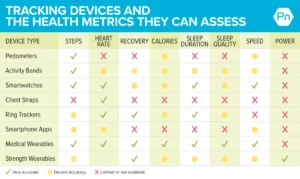











In an era defined by wearable technology and a relentless focus on health optimization, the pursuit of "wellness" has become a data-driven mission. Yet, a massive new study suggests that most of us are failing at the two most fundamental pillars of human vitality: sleep and physical activity.
A groundbreaking study led by researchers at Flinders University, recently published in Communications Medicine, has analyzed an unprecedented 28 million days of health data from over 70,000 individuals globally. The findings paint a sobering picture of modern lifestyle habits, revealing that fewer than 13% of people successfully meet both the recommended sleep and physical activity guidelines. This data suggests that while we are obsessed with tracking our health, we are struggling to achieve the basic benchmarks required for long-term well-being. More importantly, the research flips the traditional health narrative on its head, indicating that sleep quality is the primary driver of next-day movement, rather than the other way around.
Main Facts: The 28-Million-Day Reality Check
The study represents one of the most comprehensive investigations into the relationship between sleep and physical activity ever conducted. By utilizing consumer health device data collected over three and a half years, the research team gained a high-resolution look at how real-world habits play out in daily life.
The primary finding is stark: the vast majority of the population fails to align their lifestyle with standard health recommendations. Specifically, the study tracked adherence to the widely accepted goal of seven to nine hours of sleep per night and at least 8,000 steps per day. The data shows that the "perfect" health profile—achieving both targets consistently—is an outlier, managed by less than 13% of the study population.
Perhaps more concerning is the identification of a "danger zone." Nearly 17% of participants averaged less than seven hours of sleep and fewer than 5,000 steps per day. This demographic is significantly more susceptible to a cascade of negative health outcomes, including weight gain, metabolic dysfunction, increased risk of chronic diseases, and a heightened vulnerability to mental health challenges such as depression and anxiety.
Chronology: Understanding the Research Path
The investigation, spearheaded by PhD candidate Josh Fitton and Professor Danny Eckert of FHMRI Sleep Health at Flinders University, was designed to move beyond the constraints of small-scale laboratory studies.
- Data Aggregation (Three-and-a-half-year period): The team utilized a massive dataset derived from consumer-grade health wearables. Unlike controlled lab environments, this allowed for the observation of "real-world" behavior across diverse populations and timeframes.
- Analysis and Correlation: Researchers utilized sophisticated statistical modeling to determine the directional relationship between sleep and physical activity. By tracking nightly sleep metrics (duration and efficiency) against the subsequent day’s step count, they were able to establish causality in a way previous observational studies could not.
- The "Optimal Window" Discovery: Contrary to the assumption that "more is always better," the researchers discovered that the relationship between sleep duration and activity follows a specific curve, with peak activity levels linked to a moderate sleep range rather than excessive duration.
- Conclusion and Publication: The study reached its final conclusions in early 2025, culminating in its publication in Communications Medicine, serving as a call to action for both public health policy makers and individuals looking to improve their health.
Supporting Data: The Science of Movement and Rest
One of the most intriguing aspects of the study is the "one-way street" nature of the relationship between sleep and exercise. Conventional wisdom has long held that a vigorous workout leads to better sleep—a "burn the energy, sleep like a log" philosophy. While physical activity is undoubtedly beneficial for overall health, the data reveals that its immediate impact on sleep quality is surprisingly limited.
"We found that getting a good night’s sleep—especially high-quality sleep—sets you up for a more active day," explains Josh Fitton. "People who slept well tended to move more the following day, but doing extra steps didn’t really improve sleep that night."
This finding suggests a hierarchy of biological needs. Sleep acts as the "battery charge" for the following day’s cognitive and physical output. When that charge is depleted, the capacity for physical activity drops, regardless of the individual’s intent.
Furthermore, the data regarding sleep duration challenges common perceptions. While the general recommendation is seven to nine hours, the researchers found that those who slept between six and seven hours often exhibited the highest step counts the next day. However, Fitton is quick to add a critical caveat: "That doesn’t mean you should cut back on sleep. Quality is just as important." The individuals who performed best were those with high "sleep efficiency"—meaning they spent less time awake in bed and more time in restorative sleep cycles.
Official Responses: Questioning the Guidelines
The implications of this study reach far beyond the individual. By highlighting how difficult it is for the average person to meet current health benchmarks, the authors are calling into question the "real-world compatibility" of these guidelines.
Professor Danny Eckert, the senior author of the study, emphasized that the current gap between recommendation and reality indicates a systemic issue. "Our findings call into question the real-world compatibility of prominent health recommendations," says Eckert. "Only a tiny fraction of people can achieve both recommended sleep and activity levels every day, so we really need to think about how these guidelines work together and what we can do to support people to meet them in ways that fit real life."
The researchers suggest that health organizations may need to refine their messaging. Instead of presenting sleep and exercise as two equal, parallel goals, the medical community might benefit from emphasizing sleep as the "foundation" upon which physical activity is built.
Implications: A New Approach to Health
For the average person juggling the pressures of modern life, the findings offer a sense of relief and a clearer strategy for self-improvement. The "all-or-nothing" approach to fitness is often what causes people to abandon their goals. If you are struggling to hit your step count, the answer may not be to push harder, but to sleep better.
Practical Strategies for Prioritizing Sleep:
The Flinders University team suggests several actionable steps to improve sleep quality, which in turn acts as a catalyst for physical activity:
- Consistent Sleep Hygiene: Establishing a set bedtime and wake-up time helps regulate the body’s circadian rhythm, improving sleep efficiency.
- Digital Sunset: Reducing screen time at least an hour before bed is crucial. The blue light emitted by phones and laptops inhibits melatonin production, making it harder to fall into a high-quality sleep.
- Environmental Optimization: Creating a cool, dark, and quiet bedroom environment is essential for minimizing nighttime disturbances, which the study identified as a key factor in next-day lethargy.
- Reframing the "Active" Mindset: Rather than viewing exercise as a task to be checked off, view it as an outcome of good sleep. If you find yourself consistently unable to exercise, assess your sleep quality first before adding more pressure to your training regimen.
"Our research shows that sleep is not just a passive state; it’s an active contributor to your ability to live a healthy, active life," says Professor Eckert. By prioritizing the quality of our rest, we aren’t just sleeping; we are actively fueling our potential for the day ahead.
In conclusion, the study serves as a poignant reminder that in our high-tech world, the most effective tool for health is often the most basic. Before chasing an extra thousand steps, it might be time to ensure that those steps are supported by a solid, high-quality night of rest. The evidence is clear: the path to an active life is paved by the quality of our sleep.