In the rapidly evolving landscape of sleep technology, the quest for the "perfect night’s rest" has often been hampered by gimmicks—cooling gels, moisture-wicking fabrics, and high-tech mattresses that promise everything but deliver little in the way of active physiological support. Chilipad, a leader in temperature-regulated sleep systems, is looking to change that narrative with the release of the Chilipad 2.0. This next-generation, water-based cooling and heating mattress topper marks a significant shift for the company, emphasizing modular repairability, US-based manufacturing, and a defiant stance against the industry’s growing trend of mandatory software subscriptions.
Main Facts: The Anatomy of the Chilipad 2.0
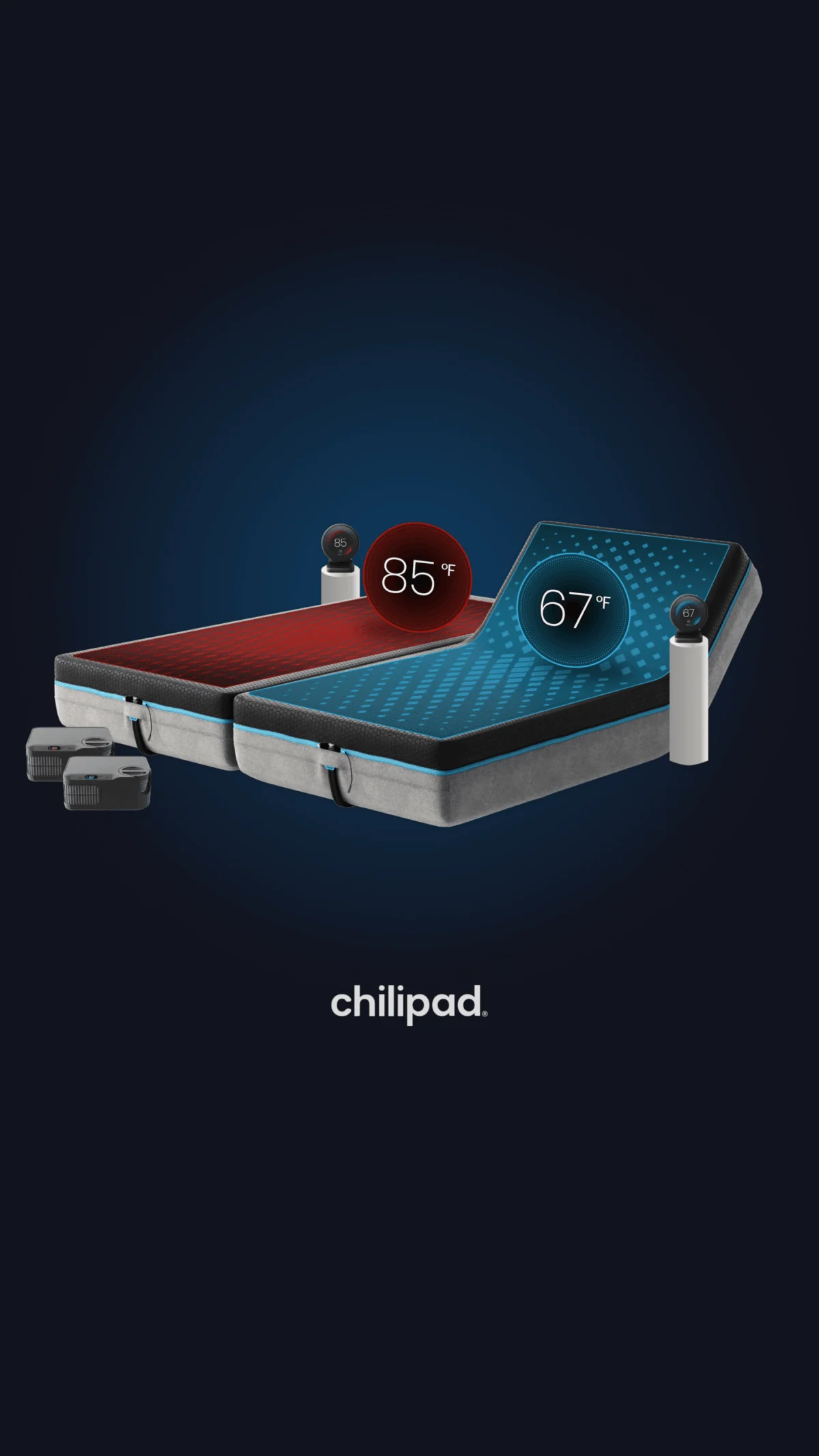
The Chilipad 2.0 is not merely an incremental update; it is a total redesign of the company’s flagship platform. At its core, the system utilizes active water circulation to regulate the temperature of a user’s bed. Unlike passive cooling materials—which eventually reach thermal equilibrium with the sleeper and cease to provide relief—the Chilipad 2.0 maintains a precise temperature range between 55°F and 115°F throughout the night.
The system consists of a redesigned "docking station" that manages water temperature and circulation, and a thin, comfortable topper that sits atop the mattress. By actively removing heat from the body, the system is designed to facilitate the rapid onset of deep, restorative sleep. For many, this translates to a tangible reduction in night sweats and nocturnal awakenings, particularly for those navigating the thermal disruptions associated with menopause or hormonal fluctuations.
Beyond its thermal performance, the 2.0 distinguishes itself through its user-centric philosophy. In an era where even basic home appliances require cloud connectivity and recurring monthly fees, Chilipad has opted for "total sleep autonomy." The system functions entirely offline if the user prefers, requires no subscription to access full features, and is managed via a dedicated nightstand remote or an optional smartphone app.
A Chronology of Innovation: From Concept to North Carolina
The journey toward the Chilipad 2.0 is rooted in a fundamental shift in the company’s supply chain and engineering strategy. For years, the sleep technology sector has been dominated by overseas manufacturing, which often complicates quality control and slows the pace of iteration.
Chilipad’s recent transition represents a strategic pivot toward domestic production. By establishing a centralized R&D, engineering, and assembly facility in North Carolina, the company has effectively shortened the feedback loop between user complaints and product solutions.
- Phase 1 (Development): The engineering team prioritized modularity. Recognizing that electronic components are often the first to fail, the team designed the 2.0 to be repairable rather than disposable.
- Phase 2 (Prototyping): The "nightstand-first" approach was born from user feedback indicating that while app-based controls are convenient, they are often a hindrance in the middle of the night when a user is groggy and seeking immediate relief.
- Phase 3 (Manufacturing): The opening of the North Carolina facility enabled the "all-in-one" approach to development, where mechanical engineers and software developers share physical space. This led to the creation of the redesigned dock—a high-capacity, quieter unit that represents the pinnacle of the company’s current engineering capabilities.
Supporting Data: Why Temperature is the "Secret Sauce" of Sleep
The efficacy of the Chilipad 2.0 is supported by a growing body of sleep science. Neurologist and sleep specialist Dr. W. Chris Winter, author of The Sleep Solution, underscores the biological necessity of temperature control. "The science here is unambiguous: your core body temperature needs to drop in order to initiate and sustain deep sleep," Dr. Winter explains.
Most people are unaware that the ambient temperature of a room, combined with the heat-trapping nature of standard bedding and their partner’s body heat, works in direct opposition to the body’s thermoregulatory requirements for sleep. When the core body temperature remains too high, the brain struggles to transition from the lighter stages of sleep into the critical slow-wave, or deep, sleep phases.
The Chilipad 2.0 addresses this by serving as a thermal "heat sink." By pulling heat away from the body, the system allows for more consistent sleep cycles. Data from the company suggests that the system is particularly effective for those suffering from chronic sleep fragmentation. More than 700 clinicians currently recommend the technology to patients dealing with temperature-related sleep disorders, marking it as a legitimate medical aid rather than a consumer electronics luxury.
Official Responses and Engineering Philosophy
The move to US-based manufacturing is not just a branding exercise; it is a core component of the company’s value proposition. Trey Robinson, the Chief Technology Officer at Chilipad, notes that the proximity of manufacturing to design is the "greatest competitive advantage" the company now possesses.
"Chilipad 2.0 is proof that the best products get built when engineering and manufacturing share a hallway, not an ocean," says Robinson. "Our new North Carolina facility allows us to iterate faster. If a component isn’t performing up to our standard, we can address it in real-time, right on the assembly line."
Robbie Falls, the company’s chief product and marketing officer, emphasizes that the user experience remains the primary focus, especially regarding the system’s "unplugged" capabilities. "At its core, the Chilipad experience is about giving customers control," Falls states. "Whether they prefer to use a remote or an app, a single- or dual-zone setup, or operate the system connected or offline, the technology should adapt to them, not the other way around."
Implications for the Sleep Industry
The launch of the Chilipad 2.0 signals several broader trends that may ripple through the home-wellness industry:
1. The Death of the Subscription Model
By explicitly marketing its "no subscription" policy, Chilipad is tapping into a growing consumer resentment toward "subscription fatigue." In a market where smart beds often lock temperature control features behind a paywall, Chilipad’s decision to provide full, unrestricted access to all features out of the box is a bold, consumer-friendly move that may pressure competitors to rethink their monetization strategies.
2. The Move Toward Repairability
With the introduction of a modular, repairable system, Chilipad is positioning itself against the "planned obsolescence" prevalent in the tech industry. The two-year warranty, combined with a modular design, ensures that if a pump or a sensor fails, the owner can potentially repair the specific component rather than discarding the entire $1,500+ system. This aligns with the "right to repair" movement and adds significant value to the purchase price.
3. Medical Integration and Accessibility
The fact that the Chilipad 2.0 is Health Savings Account (HSA) and Flexible Spending Account (FSA) eligible for qualifying customers underscores its transition from a wellness accessory to a medical device. As clinicians continue to prescribe temperature regulation for conditions ranging from menopause-related insomnia to athletic recovery, the barrier to entry—cost—is being mitigated by these tax-advantaged financial structures.
Final Thoughts: A New Standard for Bedside Tech
The Chilipad 2.0 is more than a piece of hardware; it is a statement on how modern technology should serve the human body. By prioritizing "applied sleep science" over the superficial convenience of cloud-connected apps, and by moving the manufacturing process closer to the engineering lab, the company has created a product that feels both robust and essential.
For the estimated millions of people who struggle with sleep, the solution may not be found in a pill or a new mattress, but in the simple physics of heat transfer. With its combination of US-based engineering, modular durability, and a firm commitment to user autonomy, the Chilipad 2.0 is setting a high bar for what the next decade of sleep technology should look like. Whether one is dealing with the physiological shifts of mid-life or simply seeking to optimize their recovery for a more productive day, the 2.0 offers a path toward deep, uninterrupted sleep—no cloud required.