










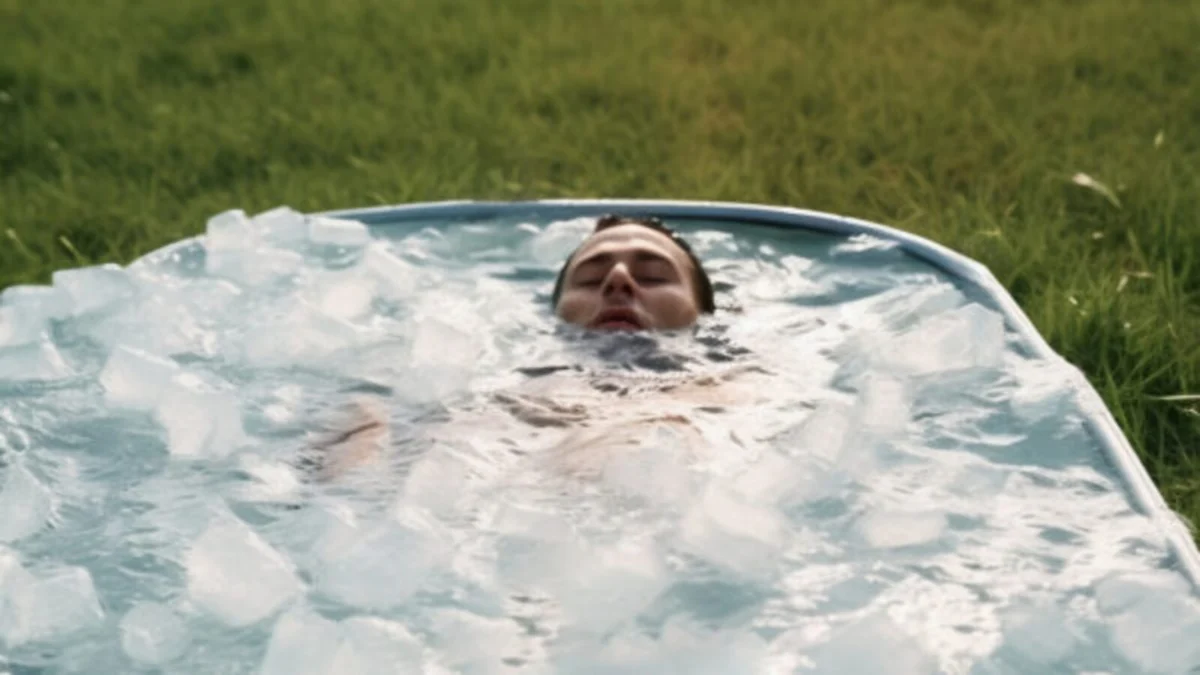
In the high-performance corridors of elite athletics and the burgeoning wellness culture of Silicon Valley, the cold plunge has ascended to the status of a modern-day elixir. From cryotherapy chambers cooled by liquid nitrogen to galvanized steel tubs filled with ice-water, the practice of deliberate cold exposure has become a cornerstone of the contemporary recovery lexicon. Proponents tout its ability to dampen inflammation, accelerate tissue repair, and provide a neurochemical "reset."
However, as the practice migrates from the training rooms of Olympic athletes to the backyards of the general public, a critical question has emerged: Are we inadvertently sabotaging our own physical progress? Recent physiological research suggests that while cold water immersion (CWI) is a potent tool, its utility is tethered to a delicate biological trade-off. The timing, frequency, and intensity of these sessions can determine whether cold exposure acts as a catalyst for recovery or a hurdle to long-term adaptation.
The Main Facts: The Biology of the Chill
At its core, the cold plunge triggers a robust physiological cascade. Upon immersion, the body undergoes a "cold shock response," characterized by peripheral vasoconstriction—the narrowing of blood vessels—which shunts blood toward the vital organs to maintain core temperature. This rapid cooling has a well-documented analgesic effect, numbing nerve endings and reducing the perception of delayed onset muscle soreness (DOMS).
Furthermore, cold exposure influences systemic inflammation. By reducing the metabolic rate of localized tissues and restricting blood flow, cold plungers often experience a reduction in the swelling associated with micro-tears in muscle fibers following strenuous exercise. For athletes in the middle of a tournament or a grueling training block, this reduction in soreness is often the difference between a successful performance and a catastrophic injury.
However, inflammation is not merely a byproduct of exercise; it is a signal. Muscle hypertrophy (growth) and strength gains are largely driven by the body’s adaptive response to the stress of resistance training. When we lift weights, we create micro-trauma, and the body’s subsequent inflammatory repair process is exactly what triggers the synthesis of new muscle proteins. By aggressively blunting this inflammatory response via cold immersion immediately post-workout, some researchers argue that we are "short-circuiting" the very signaling pathways required for growth.
Chronology: The Evolution of Cold Therapy
The integration of cold exposure into recovery protocols has undergone a distinct evolution over the last four decades.
- The 1980s and 90s (The Era of R.I.C.E.): For years, the gold standard for injury recovery was the R.I.C.E. protocol (Rest, Ice, Compression, Elevation). Cold was viewed as universally beneficial for any form of tissue distress.
- The Early 2000s (The Sports Science Boom): As sports science became more sophisticated, elite teams began investing in specialized hydrotherapy tubs. The narrative shifted from "treating injuries" to "optimizing recovery windows" between training sessions.
- The 2010s (The Rise of the Biohacker): The influence of figures like Wim Hof brought cold exposure into the mainstream. The focus transitioned from pure athletic recovery to mental health, metabolic benefits, and immune system modulation.
- The 2020s (The Nuance Phase): We are currently in a period of scientific recalibration. Large-scale meta-analyses have begun to distinguish between cold exposure for "performance maintenance" (feeling better today) and "long-term adaptation" (growing stronger tomorrow).
Supporting Data: Blunting the Gains
The central tension in the current debate is rooted in the inhibition of the mTOR pathway—a key regulator of cell growth. Several landmark studies have demonstrated that regular cold water immersion post-resistance training can attenuate the gains in muscle mass and strength over a period of 6 to 12 weeks.
A prominent study published in the Journal of Physiology monitored individuals engaged in a consistent strength-training regimen. The results indicated that while the cold-plunge group reported lower levels of muscle soreness, their actual gains in muscle fiber cross-sectional area were significantly lower compared to the control group. The data suggests that the cold environment suppresses the activation of satellite cells—the "stem cells" of the muscle—which are essential for repair and hypertrophy.
Conversely, data regarding endurance athletes tells a different story. For cyclists and marathon runners, where the primary goal is not necessarily hypertrophy but rather the ability to perform at high intensity on back-to-back days, the "blunting" effect is often viewed as a negligible price to pay for the ability to train again the following morning.
Official Responses and Expert Consensus
The scientific community has shifted away from a "one-size-fits-all" recommendation. The National Strength and Conditioning Association (NSCA) and various sports medicine panels have issued nuanced guidelines that emphasize the athlete’s specific goals.
"The cold plunge is not inherently ‘bad’ or ‘good,’" says Dr. Marcus Thorne, a lead researcher in sports physiology. "It is a tool of modulation. If your objective is a competition where you need to perform optimally on consecutive days, use it. If your objective is to maximize hypertrophy during a dedicated building phase of training, you should likely distance your cold exposure from your resistance training by at least four to six hours, or avoid it entirely in the immediate post-workout window."
Furthermore, physical therapists emphasize the importance of the "minimum effective dose." Many enthusiasts plunge for 10 to 15 minutes, which may induce unnecessary stress on the cardiovascular system. Current consensus suggests that three to five minutes at temperatures between 50°F and 59°F (10°C–15°C) is sufficient to elicit the desired neurochemical and analgesic effects without pushing the body into a state of extreme metabolic suppression.
Implications: Strategic Integration
For the average fitness enthusiast, the takeaway is clear: Context is everything.
1. Define Your Goal
If you are a recreational lifter trying to pack on size or maximize strength, your post-workout period should be dedicated to recovery modalities that support protein synthesis—namely nutrition, sleep, and active recovery. Cold plunging immediately after a heavy leg day is likely counterproductive to your goals.
2. The Strategic Delay
If you are addicted to the mental clarity and dopamine release that cold plunges provide, you do not need to quit. Simply restructure your day. Perform your strength training in the morning and reserve your cold plunge for the evening, or vice versa. This separation allows the initial inflammatory signal to trigger the mTOR pathway before you intervene with the cold.
3. Listen to the Body, Not the Trend
The "no pain, no gain" mentality has frequently been misapplied to recovery. Many users plunge until they are shivering uncontrollably, which can actually lead to an increase in cortisol—the stress hormone—which is catabolic and detrimental to muscle growth. If you are shivering violently, you have likely stayed in too long.
4. Cold as a Morning Routine
Rather than using cold exposure as a post-workout recovery tool, many professionals are now utilizing it as a morning wake-up call. Because cold exposure triggers a massive, sustained release of norepinephrine and epinephrine, it is far more effective as a tool for alertness and focus than as a tool for muscle repair. By shifting the usage to the morning, you decouple the practice from your training recovery entirely, removing the risk of blunting your hard-earned gains.
Conclusion: A Balanced Approach
The cold plunge remains one of the most effective tools we have for mental resilience and systemic inflammation management. However, the science is undeniable: the timing of our recovery tools matters as much as the training itself. By treating cold water immersion as a distinct activity rather than an automatic post-workout appendage, athletes and fitness enthusiasts can reap the neurological and systemic benefits of the cold without sacrificing the physical results of their hard work.
In the pursuit of health and performance, wisdom lies in knowing when to turn up the heat on your training and when to step into the ice—but never doing both at the same time.