WASHINGTON – Federal health regulators have issued a high-priority recall for a popular alfredo sauce distributed across dozens of states, citing potential contamination with Salmonella, a pathogen that poses significant risks to consumer safety. The recall, which has reached a critical stage in its enforcement, underscores the vulnerabilities inherent in the modern, complex food supply chain.
The voluntary recall, initiated by the Tennessee-based manufacturer The Coffee Connexion Co. Inc., centers on a specific ingredient: dry milk powder. According to the U.S. Food and Drug Administration (FDA), this component—a staple in commercial sauce production—was identified as a potential vector for the bacteria, prompting immediate action to remove the affected products from the marketplace.
The Scope of the Recall
The scale of the recall is substantial, reflecting the widespread distribution networks used by modern food processors. The FDA enforcement report confirms that 913 cases of the sauce have been pulled from circulation. Each case contains 12 sealed, heavy-duty bags of sauce, with each individual bag weighing over 3 pounds (1.36 kilograms).
This amounts to roughly 32,868 pounds of product potentially circulating through food service channels or retail shelves. While the FDA has not released a granular state-by-state map of the distribution, the agency confirmed that the reach of the affected product extends to dozens of states, necessitating a coordinated effort between federal regulators and local health departments to ensure the product does not reach consumers.
Chronology of the Safety Crisis
The timeline of the investigation and subsequent recall highlights the methodical, if sometimes slow, process of identifying foodborne illness risks.
- Initial Detection: The process began when testing of raw materials—specifically the dry milk powder—indicated the presence of Salmonella.
- Voluntary Action: Upon learning of the potential contamination, The Coffee Connexion Co. Inc. moved to initiate a voluntary recall. This proactive step is intended to mitigate the risk of public exposure before reports of illness are confirmed.
- Regulatory Designation: The recall, which began in mid-May 2026, was formally categorized by the FDA in early June. The agency designated the recall as a "Class I," the most serious classification possible.
- Public Notification: On June 15, 2026, the FDA updated its enforcement report, bringing the issue to the forefront of national health awareness.
As of the date of this report, The Coffee Connexion Co. Inc., headquartered in Lebanon, Tennessee, has remained largely silent regarding the specific sourcing of the contaminated dry milk powder. Attempts to reach the company for comment regarding their supply chain auditing procedures and the status of the product recovery have thus far gone unanswered.
Understanding the Risk: Salmonella Pathogenicity
Salmonella remains one of the most common causes of foodborne illness in the United States, yet it is rarely taken lightly by public health officials. The FDA’s "Class I" designation is reserved for situations where there is a "reasonable probability that the use of, or exposure to, a violative product will cause serious adverse health consequences or death."
The bacteria target the gastrointestinal tract, and while the majority of healthy adults recover without long-term complications, the physiological impact can be severe. Symptoms typically manifest within 12 to 72 hours following ingestion. The clinical presentation includes:
- Acute Gastrointestinal Distress: Intense abdominal cramping, nausea, and vomiting are often the first signs.
- Systemic Response: High fever is a common indicator of the body’s attempt to fight the infection.
- Prolonged Recovery: Diarrhea, often bloody, can persist for four to seven days, leading to severe dehydration if not properly managed with electrolyte replacement and fluids.
For vulnerable populations—including children, the elderly, and individuals with immunocompromised systems—the risk profile is significantly higher. In these groups, the infection can migrate from the intestines into the bloodstream, leading to arterial infections, endocarditis, or arthritis, requiring aggressive antibiotic treatment and hospitalization.
Official Responses and Regulatory Oversight
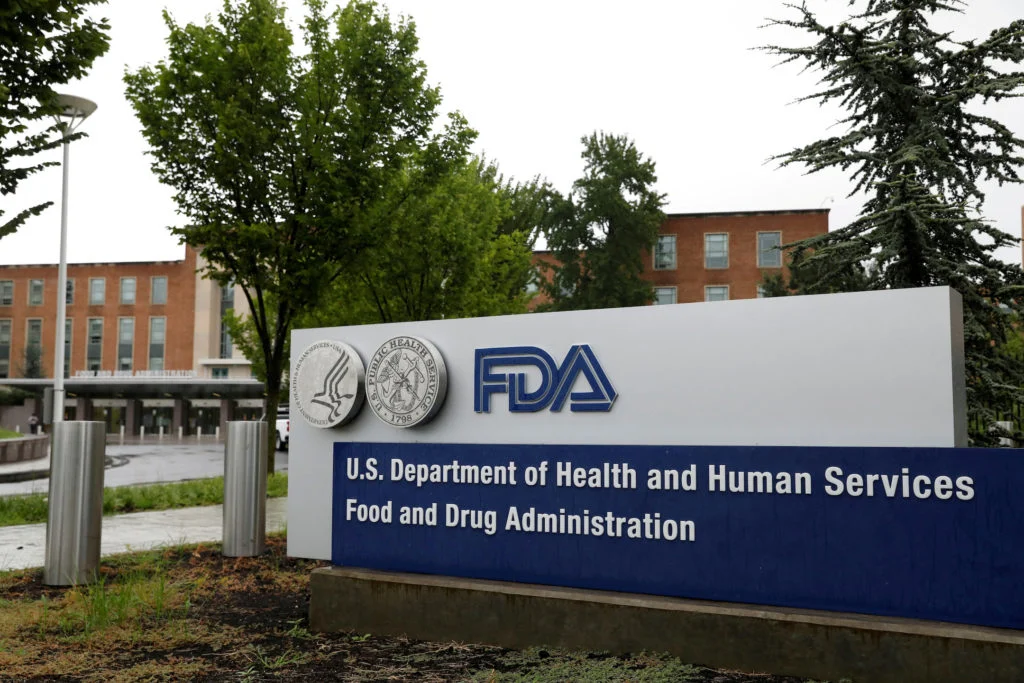
The FDA’s role in this recall is twofold: enforcement and communication. By categorizing the recall and issuing public warnings, the FDA serves as the primary firewall between the manufacturer and the public.
However, the agency’s response has faced scrutiny regarding the speed of transparency. As of the afternoon of June 15, the FDA had not provided additional, granular details regarding the specific lot codes or the retail brands under which the sauce was sold. For consumers, this creates an environment of uncertainty, particularly for those who frequent restaurants or institutional cafeterias where the sauce might be used as a base ingredient for various dishes.
Food safety advocates point out that the reliance on third-party ingredients—such as dry milk powder—is a known "blind spot" in the industry. Suppliers of raw ingredients are often separated from the final food product manufacturer by multiple layers of distribution, making the task of trace-back investigation notoriously difficult.
Implications for the Food Industry
This incident serves as a stark reminder of the complexities involved in food safety management. The use of dry milk powder as a thickening and flavoring agent is pervasive in the food industry, found in everything from salad dressings to instant soups and processed snacks.
Strengthening Supply Chain Audits
Industry analysts suggest that this recall will likely trigger a re-evaluation of supplier vetting processes. Companies are now under pressure to ensure that their raw material suppliers undergo rigorous, independent testing for pathogens before the materials ever enter a processing facility.
The Role of Transparency
The "voluntary" nature of this recall is a hallmark of the modern FDA strategy, which relies on industry cooperation to secure the food supply. However, the lack of immediate comment from The Coffee Connexion Co. Inc. highlights a tension between the need for corporate privacy and the public’s right to know exactly what is in their food. When a company fails to provide clear, accessible information during a recall, it risks damaging consumer trust and brand equity.
Consumer Vigilance
For the average consumer, the ability to avoid contaminated products is limited when the product is sold in bulk to restaurants. Health officials recommend that those who suspect they have consumed contaminated food should monitor their health closely for the next several days. If symptoms appear, they should contact a healthcare provider immediately and mention the possibility of Salmonella exposure.
Furthermore, consumers are encouraged to check the FDA’s official recall database frequently. The database provides the most up-to-date information on product codes, packaging descriptions, and distribution regions, serving as the definitive source for anyone concerned about their recent purchases.
Conclusion: A Call for Vigilance
While no fatalities have been reported in connection with this specific recall as of mid-June 2026, the potential for harm remains a serious concern for the FDA. The incident highlights the ongoing battle against foodborne pathogens, a challenge that requires constant vigilance, rapid communication, and high standards of sanitation throughout the supply chain.
As the FDA continues its investigation, the focus will remain on containing the affected lots and determining the exact point of contamination at the supplier level. Until then, the recall stands as a critical alert for retailers, distributors, and consumers alike to prioritize safety over convenience, ensuring that the food on our tables remains free from harmful bacteria.
For further updates, citizens are encouraged to monitor the official channels of the FDA and the Centers for Disease Control and Prevention (CDC). In a modern food system that spans across continents and state lines, the safety of the individual is inherently linked to the integrity of the collective network—a system that is only as strong as its weakest link.