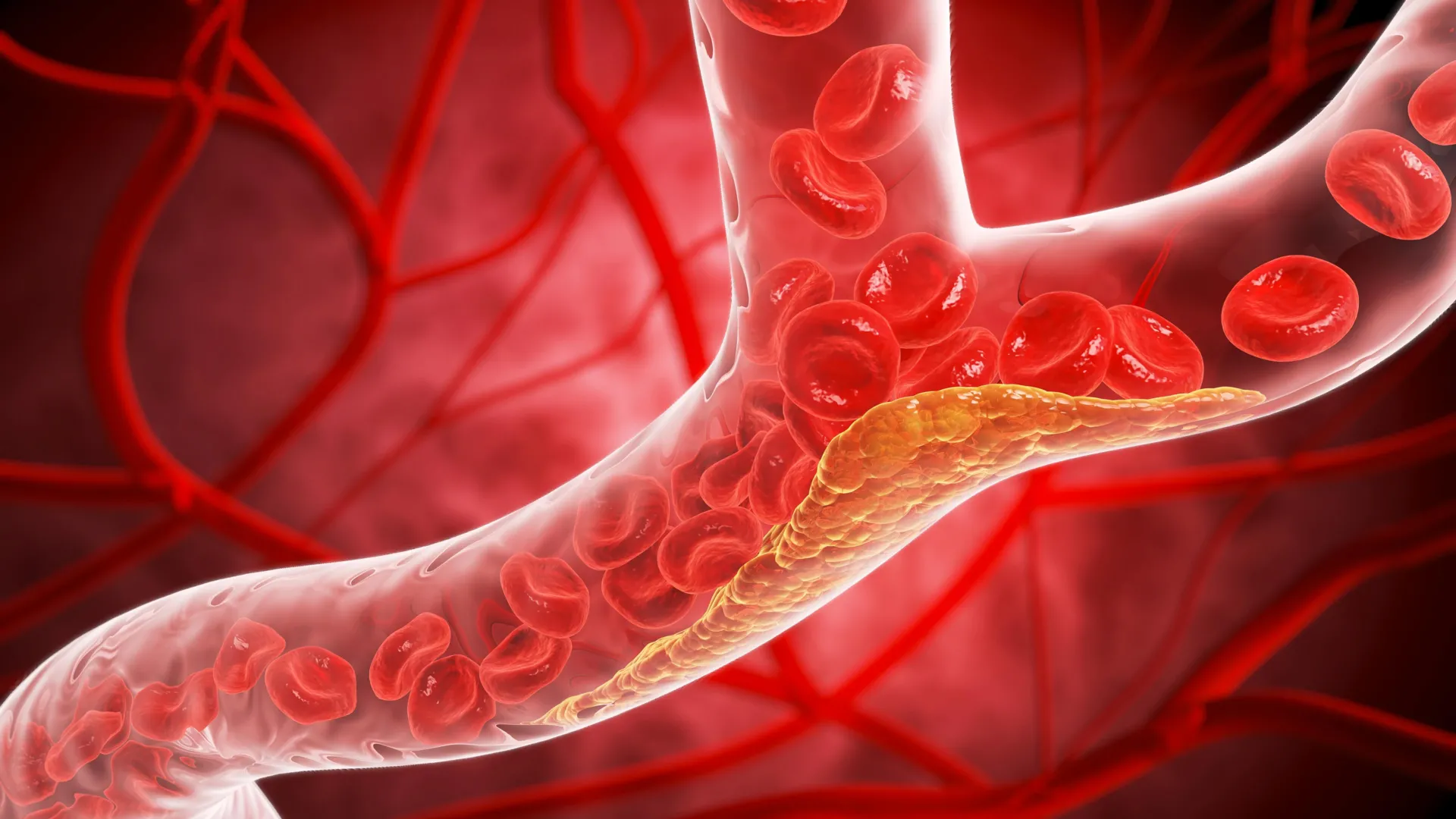
In the ongoing battle against cardiovascular disease—the leading cause of death worldwide—a potential breakthrough has emerged that could transform how millions of patients manage their heart health. According to results from a phase three clinical trial published in The New England Journal of Medicine, a new experimental daily pill called enlicitide has demonstrated the ability to lower low-density lipoprotein (LDL) cholesterol—the "bad" cholesterol that clogs arteries—by as much as 60%.
This development represents a significant leap forward in pharmacology. While statins have been the bedrock of cholesterol management for decades, many high-risk patients struggle to reach their target LDL levels even with maximal dosing. If granted approval by the U.S. Food and Drug Administration (FDA), enlicitide could provide a potent, patient-friendly alternative to current injectable therapies, potentially preventing countless heart attacks and strokes across the United States and beyond.
The Core Data: A Phase Three Breakthrough
The clinical trial, led by Dr. Ann Marie Navar of the UT Southwestern Medical Center, involved 2,909 participants, all of whom presented with either established atherosclerotic cardiovascular disease or were at elevated risk due to underlying health conditions.
The study design was robust: approximately two-thirds of the participants were administered enlicitide, while the remaining third received a placebo. Notably, the majority of the trial participants were already adhering to statin therapy. Despite this, their average LDL cholesterol levels remained at 96 mg/dl—significantly higher than the clinical targets of 70 mg/dl for those with established disease, and 55 mg/dl for those at the highest risk.
The findings were stark. After 24 weeks of treatment, patients taking enlicitide experienced an average LDL reduction of 60% compared to their counterparts on the placebo. Furthermore, the drug demonstrated efficacy across several other critical cardiovascular markers, including non-HDL lipoprotein cholesterol, apolipoprotein B, and lipoprotein(a). Perhaps most importantly, these reductions were maintained consistently over a full year of follow-up, suggesting both durability and safety.
"These reductions in LDL cholesterol are the most we have ever achieved with an oral drug by far since the development of statins," said Dr. Navar.
A Scientific Chronology: From Nobel Prizes to the PCSK9 Pathway
To understand the significance of enlicitide, one must look at the historical trajectory of cholesterol research, much of which has been centered at UT Southwestern.
The Foundation: Brown and Goldstein
In the mid-1980s, researchers Michael Brown, M.D., and Joseph Goldstein, M.D., fundamentally changed medicine when they identified the LDL receptor on liver cells. This discovery, which earned them the 1985 Nobel Prize in Physiology or Medicine, revealed how the liver removes LDL cholesterol from the bloodstream. This breakthrough provided the scientific rationale for statins, which remain the most widely prescribed cholesterol-lowering medications in history.
The Genetic Insight: The Dallas Heart Study
The next major leap occurred decades later through the Dallas Heart Study, led by Dr. Helen Hobbs and Dr. Jonathan Cohen. Their research identified individuals who possessed natural genetic mutations that resulted in the reduced production of a protein known as PCSK9. This protein acts as a "brake" on the liver’s ability to clear cholesterol by limiting the number of available LDL receptors. By identifying that these individuals had naturally low cholesterol and a reduced risk of heart disease, researchers found a new target for drug development.
The Advent of Injectables
This discovery led to the development of PCSK9 inhibitors—monoclonal antibodies and RNA-based therapies—that could block the protein’s function. While these drugs (such as evolocumab and alirocumab) were highly effective, matching the 60% reduction seen with enlicitide, they were limited by their delivery method: they had to be injected.
The Challenge of Adherence: Why Oral Therapy Matters
Despite the proven efficacy of injectable PCSK9 inhibitors, their real-world impact has been hampered by low adoption rates. While early hurdles included prohibitive costs and insurance authorization barriers, those issues have gradually subsided. However, a significant psychological and logistical hurdle remains: the patient’s burden.
For many patients, the requirement to self-administer an injection is a significant deterrent. Dr. Navar points out that many physicians remain hesitant to prescribe injectables, and patients are often reluctant to initiate them.
"Fewer than half of patients with established atherosclerotic cardiovascular disease currently reach LDL cholesterol goals," Dr. Navar explained. "An oral therapy this effective has the potential to dramatically improve our ability to prevent heart attacks and strokes on a population level. It bridges the gap between efficacy and accessibility."
Enlicitide functions by targeting the same PCSK9 pathway as the injectable drugs. By attaching to the protein in the bloodstream, it allows the liver to clear cholesterol more efficiently. The innovation lies not in the biological target, but in the formulation: by moving this potent mechanism into a once-a-day pill, the clinical community believes that patient adherence—and thus clinical outcomes—could improve substantially.
Expert Perspectives and Official Responses
The medical community has received the news with cautious optimism. Dr. Navar’s leadership in the trial underscores the importance of the study population, which she notes is highly representative of everyday clinical practice. "The study population reflects what we see in our offices," she said. "Even the highest intensity statins are often not enough to get people to their cholesterol goals."
The research was sponsored by Merck & Co. Inc. As with many high-impact clinical trials, the study discloses industry ties; Dr. Navar, for instance, received consulting fees from Merck and other pharmaceutical firms involved in lipid-lowering therapies. While such disclosures are standard in modern medical literature, they serve as a reminder of the collaborative, albeit sometimes complex, relationship between academic research institutions and the private sector.
The intellectual pedigree behind the study is significant. The researchers involved, including Drs. Brown, Goldstein, Hobbs, and Cohen, hold prestigious chairs at UT Southwestern, signaling that this trial is the culmination of decades of internal institutional focus on cardiovascular metabolism.
Future Implications: Can We Translate Numbers into Lives Saved?
While the drop in LDL cholesterol is statistically undeniable, the medical community is now looking toward the next phase of evidence. Lowering a biomarker is not the same as preventing a clinical event. Consequently, a new clinical trial is already underway to determine if the 60% reduction in LDL cholesterol provided by enlicitide will definitively translate into a measurable decrease in heart attacks and strokes.
If this follow-up trial confirms a reduction in cardiovascular events, enlicitide could become the new gold standard for patients who have already experienced a cardiac event or those at high risk for one.
Key Takeaways for Patients and Providers:
- Clinical Superiority: The 60% reduction represents a new high-water mark for oral medications, rivaling injectable therapies.
- Simplified Regimen: The shift from injection to oral administration removes a major barrier to treatment initiation and long-term adherence.
- Synergy: The drug is designed to work in conjunction with existing therapies, such as statins, rather than replacing them entirely.
- Pending Confirmation: While the cholesterol reduction is clear, the scientific community is waiting for conclusive data on the drug’s impact on morbidity and mortality.
As the FDA evaluates the data in the coming months, the potential for enlicitide to shift the paradigm of heart health is immense. By simplifying the regimen for one of the most effective known lipid-lowering mechanisms, medicine may soon have a more accessible tool to combat the silent, progressive threat of atherosclerosis, offering a safer future for millions of patients currently struggling to keep their cholesterol in check.