




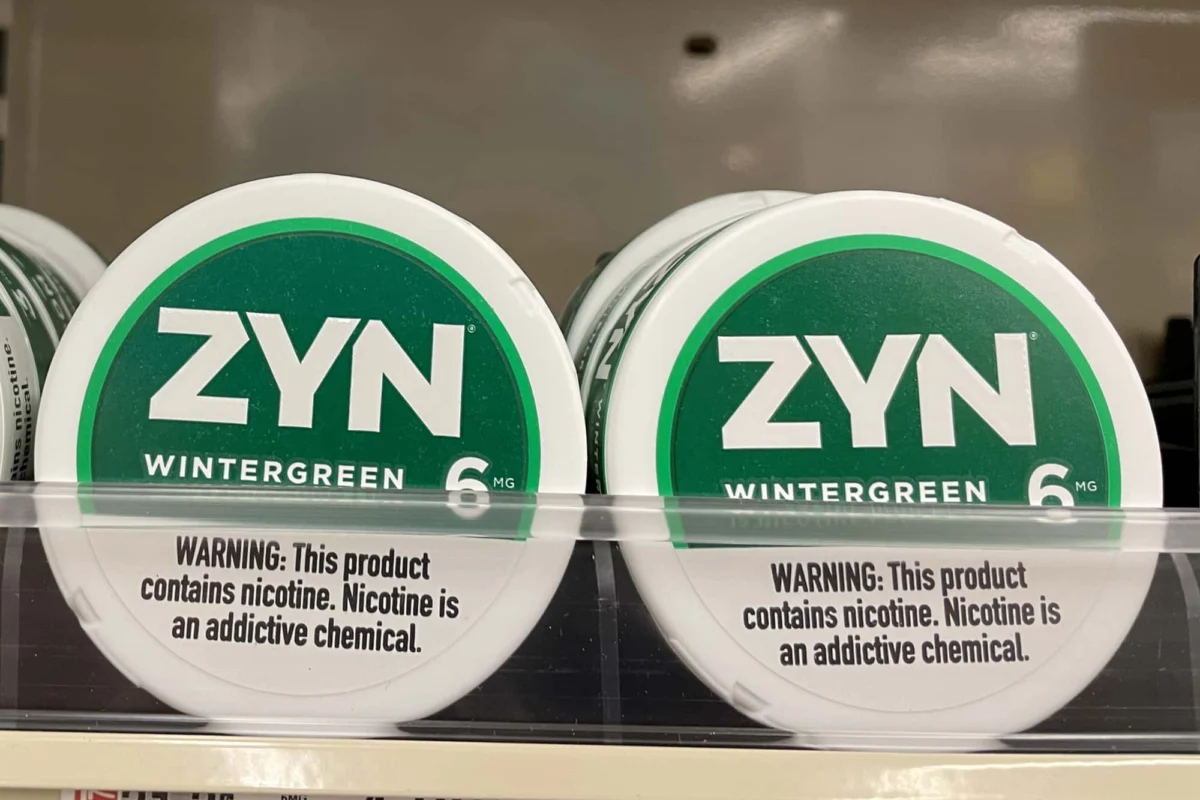
In a landmark decision that highlights the evolving landscape of tobacco harm reduction, the U.S. Food and Drug Administration (FDA) has granted "Modified Risk Tobacco Product" (MRTP) orders to Swedish Match USA Inc. for 20 distinct Zyn nicotine pouch products. This regulatory approval allows the manufacturer to legally market these products with the claim that they present a lower risk of specific respiratory and cardiovascular diseases when compared to traditional combustible cigarettes.
While the move is being hailed by some as a pragmatic step toward public health, it has simultaneously ignited a firestorm of criticism from advocacy groups, who fear that the normalization of flavored nicotine products will undermine years of progress in youth tobacco prevention.
Main Facts: The Scope of the Authorization
The FDA’s authorization specifically permits Swedish Match USA Inc. to include verified health claims on their marketing materials. These claims state that switching entirely from cigarettes to Zyn nicotine pouches reduces the risk of developing several life-threatening conditions, including:
- Mouth cancer
- Heart disease
- Lung cancer
- Stroke
- Emphysema
- Chronic bronchitis
It is crucial to note that this is not an endorsement of the product as "safe" or "healthy." The FDA has explicitly clarified that these products are not approved cessation aids—they are not meant to help people stop nicotine use entirely. Rather, the agency’s decision is rooted in the principle of "harm reduction," suggesting that for adult smokers who cannot or will not quit entirely, transitioning to a non-combustible nicotine source may be statistically less harmful than continuing to inhale the toxins produced by burning tobacco.
The authorization covers 20 specific product variants, including a range of flavor profiles that have been available in the U.S. market since January 2025.
Chronology: The Regulatory Path to Approval
The journey to this decision was neither swift nor simple, reflecting the FDA’s rigorous, albeit controversial, evaluation process.
- January 2025: The FDA initially authorized the Zyn product line via the Premarket Tobacco Product Application (PMTA) pathway. This allowed the products to enter the commercial market, though at the time, the company was prohibited from making comparative health claims.
- Ongoing Review (2025–2026): Over the subsequent months, the FDA Center for Tobacco Products (CTP) undertook an extensive review of the company’s scientific data. This included clinical studies on toxicity, potential for chemical exposure, and consumer perception research.
- Mid-2026: The agency analyzed data regarding the impact of the products on the general population, weighing the potential benefit to adult smokers against the potential for increased initiation among non-smokers and youth.
- The Present Day: The FDA issued the modified risk orders, officially allowing the marketing of the reduced-risk claims. These orders are time-limited, expiring in five years, at which point the FDA will reassess the landscape.
Supporting Data and the Science of Harm Reduction
The FDA’s decision was underpinned by a comprehensive scientific review. According to the agency, the decision-making process focused on three pillars:
- Chemical Exposure: The agency found that the transition from cigarettes to nicotine pouches significantly reduces exposure to the harmful combustion byproducts found in traditional smoke, such as carbon monoxide, tar, and various carcinogens.
- Population Impact: The FDA examined consumer perception data to determine if the "modified risk" label would discourage current smokers from quitting entirely or encourage non-smokers to start. The agency concluded that the benefits of enabling adult smokers to switch to a less harmful product outweighed the projected risks of new users.
- Scientific Accuracy: The specific claims allowed are tightly regulated. The manufacturer must ensure that marketing materials do not suggest that these products are "safe" or "FDA-approved" in a general sense; the claims must remain strictly comparative to the risks of cigarette smoking.
However, the scientific community remains divided. While tobacco industry researchers emphasize the drastic reduction in toxicant exposure, public health researchers often highlight that nicotine itself remains a highly addictive substance with independent cardiovascular risks.
Official Responses: A House Divided
The reaction to the FDA’s announcement has been swift and polarized, reflecting the deep ideological divide in public health policy.
The FDA’s Stance
Bret Koplow, PhD, JD, acting director of the FDA’s Center for Tobacco Products, emphasized that the decision is about providing accurate information. "FDA’s review of modified risk products is intended to ensure that adult users have clear, science-based information about the relative harms of tobacco products, so they can make informed choices," Koplow stated. He reiterated that the goal is to give adult smokers a clear path to reduce their exposure to the deadliest elements of tobacco use.
The American Lung Association’s Opposition
The American Lung Association (ALA) has emerged as the most vocal critic of the decision. Mike Seilback, the ALA’s associate vice president of nationwide advocacy and state public policy, expressed profound disappointment.
"The American Lung Association is deeply concerned that the FDA would authorize 20 nicotine pouch products in 10 flavors as modified risk tobacco products," Seilback said. The ALA argues that flavoring—such as citrus, mint, or berry—is a marketing tactic specifically designed to appeal to younger consumers. Seilback cited data from the National Youth Tobacco Survey (NYTS) showing that nicotine pouches have seen a meteoric rise in popularity among teenagers, with Zyn often cited as the preferred brand. The ALA is urging the FDA to reconsider, arguing that the public health cost of youth addiction far outweighs the benefits to adult smokers.
Implications: The Future of Tobacco Regulation
This decision sets a significant precedent for the next five years of tobacco regulation. The implications are far-reaching for manufacturers, retailers, and the public:
1. The Post-Market Surveillance Requirement
The FDA has not granted a "set it and forget it" approval. The authorization mandates that Swedish Match USA, Inc. engage in intensive post-market surveillance. The company must conduct ongoing behavioral studies to track how these products are being used, who is using them, and whether the marketing claims are being misinterpreted. If the data shows a significant increase in youth uptake, the FDA reserves the right to withdraw the orders before the five-year expiration date.
2. The "Flavor" Dilemma
The authorization of flavored pouches remains the most contentious aspect of the policy. By allowing these products to be sold as "modified risk," the FDA has effectively mainstreamed the use of flavors in a nicotine-delivery system. This will likely lead to increased pressure on lawmakers to address the broader issue of flavored tobacco products, which have been a subject of intense debate at both the state and federal levels.
3. A Strategic Shift for Smokers
For the millions of Americans who currently smoke cigarettes, this decision offers a clear, government-sanctioned alternative. The agency’s stance is a nuanced "hierarchy of risk." While the safest option remains complete abstinence from all tobacco and nicotine products, the FDA is signaling that it is prepared to endorse a transition to less harmful delivery systems for those unable to quit.
4. Regulatory Precedent
This decision provides a roadmap for other tobacco companies. By successfully navigating the MRTP pathway, Swedish Match has set a standard for what kind of evidence is required to earn a modified risk designation. It is expected that other manufacturers of nicotine pouches and oral tobacco products will now accelerate their own applications for similar labels, leading to a crowded market of "lower risk" nicotine products.
Conclusion
The FDA’s decision to grant modified risk status to 20 Zyn products is a bold, controversial experiment in public health policy. It represents a pivot from a strictly prohibitionist approach toward a harm-reduction model that acknowledges the realities of nicotine addiction.
However, as the agency moves forward, it faces a delicate balancing act. It must effectively communicate to adult smokers that a "lower risk" is not "no risk," while simultaneously implementing safeguards to ensure that these products do not become the next gateway for a new generation of nicotine-dependent youth. With the five-year review period looming, the success of this policy will ultimately be measured not just by the health outcomes of current smokers, but by the trends in youth initiation that follow this regulatory change. The eyes of the public health community remain fixed on the data, waiting to see if this shift will indeed save lives or simply trade one epidemic for another.