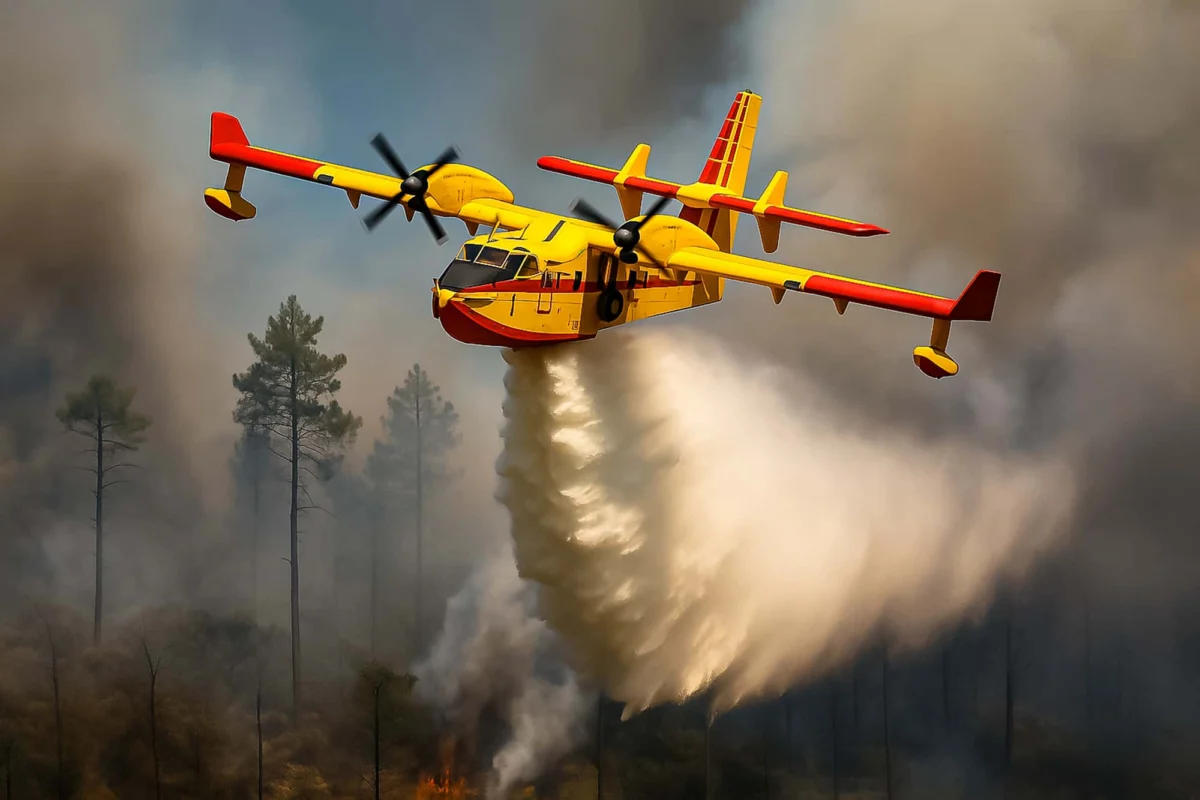
As climate change accelerates the frequency and intensity of wildfire seasons, a silent public health crisis is unfolding in the lungs of millions of Americans. New research published in the May 2026 issue of Chronic Obstructive Pulmonary Diseases: Journal of the COPD Foundation highlights a startling disconnect: while wildfire smoke has become a pervasive environmental hazard, patients suffering from Chronic Obstructive Pulmonary Disease (COPD) are largely navigating this threat without the necessary clinical guidance or actionable strategies to protect themselves.
For the more than 30 million Americans living with COPD—a condition encompassing emphysema and chronic bronchitis—smoke is not merely an inconvenience; it is a direct, life-threatening trigger for respiratory failure. As the fourth leading cause of death worldwide, the condition requires meticulous management, yet this latest study reveals that the medical community is failing to integrate wildfire preparedness into standard patient care.
Main Facts: The Intersection of Climate and Chronic Illness
The research, led by a team from Kaiser Permanente Northern California, paints a concerning picture of the current state of patient preparedness. While public awareness regarding air quality has risen, the ability of high-risk patients to translate that awareness into tangible protection is severely limited.
The study centers on three fundamental findings:
- Clinical Silence: Despite the high risk, the vast majority of patients surveyed reported that they have never engaged in a meaningful conversation with their healthcare providers regarding how wildfire smoke exacerbates their specific condition.
- Knowledge Gaps: There is a profound lack of familiarity with basic mitigation strategies. Many patients remain unaware of how to effectively use indoor air purifiers, the importance of HVAC filtration standards, or even simple, cost-effective measures like utilizing the "recirculate" button in their vehicles.
- The Reliance on Tech over Clinical Advice: Patients are currently looking to smartphone weather and air-quality apps for guidance, rather than their primary care physicians or pulmonologists. While apps provide data, they lack the personalized clinical context required to manage a chronic disease.
A Chronology of the Crisis: From Environmental Shift to Clinical Lag
The escalation of this issue can be viewed through a timeline that tracks the intersection of environmental degradation and the evolution of respiratory medicine.
The Rise of the "New Normal" (2015–2020)
Over the last decade, the United States witnessed a dramatic shift in wildfire patterns. Historically regional events, wildfires began to produce smoke plumes that blanketed entire continents, turning air quality in metropolitan hubs like New York, Chicago, and San Francisco into some of the worst in the world. During this period, the medical community observed a spike in emergency room visits for COPD exacerbations following smoke events, yet clinical guidelines remained largely focused on smoking cessation and pharmaceutical intervention rather than environmental adaptation.
The Observation Phase (2021–2024)
As wildfire seasons became longer and more intense, researchers began to isolate the specific impact of particulate matter (PM2.5) from biomass smoke on COPD patients. It became clear that this specific type of pollution was uniquely inflammatory. During this time, hospitals began to track correlations between smoke density and readmission rates for respiratory distress, providing the impetus for the Kaiser Permanente study.
The Research and Reporting Phase (2025–2026)
The study published in May 2026 serves as the current benchmark for understanding the patient perspective. By interviewing individuals living in high-risk zones, the researchers mapped out the "preparedness gap." The findings confirmed that even when patients recognized the danger, they felt paralyzed by a lack of professional instruction, leading to a reactive rather than proactive approach to health.
Supporting Data: The Anatomy of Risk
To understand why this gap is so dangerous, one must look at the physiological and statistical reality of COPD.
The Physiological Burden
COPD patients suffer from chronic airway inflammation. When wildfire smoke—a complex mixture of gases and fine particulate matter—is inhaled, it triggers an immediate inflammatory response in already compromised airways. This often leads to:
- Hyperinflation: The lungs become unable to fully exhale, leading to severe shortness of breath.
- Exacerbation Loops: A single exposure can trigger a cascade of symptoms that require systemic corticosteroids, antibiotics, or hospitalization.
- Long-term Damage: Recurring smoke exposure contributes to the progressive decline of lung function, shortening life expectancy and reducing quality of life.
The Demographic Vulnerability
The study noted that the populations most at risk are often those with limited resources. Many participants in the study expressed that while they understood "air quality is bad," they lacked the financial or technical knowledge to make home modifications. For instance, the "recirculate" feature in a car is a vital tool for a commuter with COPD passing through a smoke-heavy zone, yet the research found that few patients had been instructed to utilize this mechanism as part of their personal health strategy.
Official Responses: What the Medical Community Must Do
The consensus among the study’s authors and leading pulmonologists is that the status quo is no longer tenable. Dr. Laura C. Myers, the senior author of the study, emphasized in a recent news release that the burden of safety cannot rest solely on the patient.
"We need to make sure that people with COPD receive accurate, actionable guidance from trusted sources in real-time," Dr. Myers stated. She advocates for a "patient-centered approach" that integrates climate preparedness into the standard of care for chronic respiratory disease.
Recommendations for Clinical Practice:
- Proactive Communication: Doctors should initiate conversations about wildfire smoke during routine check-ups, particularly in spring, before the fire season begins.
- Prescribing Preparedness: Clinicians should treat air purifiers and N95 masks as part of the medical toolkit, perhaps even providing written "Action Plans" that detail exactly what to do when the Air Quality Index (AQI) hits specific tiers.
- Digital Integration: Healthcare systems should leverage patient portals to send automated, personalized alerts when local air quality reaches dangerous levels, coupled with specific advice on how to adjust medications or daily routines.
Implications: The Path Toward Resilient Care
The implications of these findings extend far beyond the individual patient. As the climate continues to change, healthcare systems will be under increasing pressure to manage the fallout of environmental events. If COPD patients are not empowered to manage their exposure, the result will be a surge in preventable hospitalizations, placing an unsustainable burden on emergency departments and urgent care centers.
Redefining Preventive Care
The shift required here is a fundamental move toward "environmental medicine." We are reaching a point where a doctor’s advice is incomplete if it does not account for the air the patient breathes outside the clinic. This means that public health agencies and private healthcare providers must collaborate to create localized, actionable alerts that are tailored to the needs of the chronically ill.
Empowering the Patient
The study reveals that patients are eager for guidance. They are not indifferent to the risk; they are simply under-equipped. When a healthcare provider bridges this gap, the patient transitions from being a passive victim of the environment to an active manager of their health. By teaching patients how to seal windows, how to choose the right air filters, and when to seek medical intervention before a crisis point is reached, the healthcare community can significantly reduce the morbidity associated with wildfire smoke.
Looking Toward the Future
As we look toward the 2027 wildfire season and beyond, the research provides a clear roadmap. The technology exists to monitor air quality, and the medical knowledge exists to treat the symptoms of COPD; the missing link is the communication of that expertise.
The medical community must treat wildfire smoke not just as a weather event, but as a chronic health hazard that requires its own diagnostic and therapeutic protocol. By treating smoke preparedness as a pillar of COPD management, we can ensure that those who are most vulnerable are not left breathless by the changing climate. The time for reactive medicine has passed; the era of proactive, climate-informed, patient-centered care must begin immediately.
In conclusion, the gap identified by the Kaiser Permanente researchers is a clarion call to the medical community. It is a reminder that in an era of environmental instability, the most effective medicine is often the information that allows a patient to safeguard their own health before the smoke even begins to settle.