
In households across America, the bedtime routine for millions has been transformed by a small, often berry-flavored gummy. Melatonin, once a niche health-food store item, has surged in popularity as the primary go-to sleep aid for both children and adults. Yet, as its ubiquity grows, so does the confusion surrounding its safety, efficacy, and regulatory status.
Dr. Sally Ibrahim, a pediatrician and sleep medicine specialist at Case Western Reserve University, notes that the modern parent is often caught in a crossfire of conflicting headlines. Some outlets herald melatonin as an "immunity booster," while others raise alarms about potential, though often unestablished, links to long-term health risks like heart failure. For parents navigating the turbulent waters of pediatric sleep deprivation, the lack of clear, standardized information can be overwhelming—and even dangerous.
The Physiology of Sleep: How Melatonin Functions
To understand why melatonin is both a miracle for some and a point of confusion for others, one must first look at the body’s internal clock. Melatonin is a hormone secreted by the pineal gland, a pea-sized structure located deep within the brain. Its release is dictated by the body’s circadian rhythm, a 24-hour internal cycle that responds primarily to light.
During the day, exposure to natural light inhibits the pineal gland. As evening approaches and light levels drop, the gland begins its secretion process. Levels typically peak in the middle of the night and plummet by morning. This "dim-light melatonin onset" serves as the biological signal that it is time for the body to transition into a restorative state.
Unlike many other sleep aids, which merely act as sedatives, melatonin performs a dual role. It possesses a "hypnotic" effect, which reduces the time it takes to fall asleep, and a "chronotropic" effect, which helps regulate the timing of the sleep-wake cycle. This is why it is uniquely effective for individuals struggling with circadian rhythm disorders—a common issue among teenagers who may suffer from "delayed sleep-wake phase," where their internal clocks are shifted hours later than the societal norm.
A Chronology of the Supplement Surge
The rise of melatonin as a household staple has occurred in parallel with the explosion of the dietary supplement industry in the United States.
- 1990s–2000s: Melatonin began gaining traction as a natural alternative to prescription hypnotics, marketed heavily for jet lag and shift work.
- 2010s: As pediatric insomnia became a more recognized clinical issue, and with the FDA having approved no insomnia medications specifically for children, pediatricians began observing an increase in "off-label" melatonin use.
- 2020–Present: The COVID-19 pandemic catalyzed a "sleep crisis." Lockdown-induced anxiety, coupled with increased screen time, led to a massive spike in melatonin sales. Reports of accidental ingestion by children also began to climb, drawing national attention to the lack of child-resistant packaging and proper regulation.
Supporting Data: Efficacy and Research
Despite the controversy, melatonin remains the most widely studied sleep aid in the pediatric population. Scientific consensus generally supports its efficacy when used as a supplemental tool alongside behavioral interventions.
In a landmark randomized controlled trial involving 125 children and adolescents—many of whom were diagnosed with autism spectrum disorder (ASD)—researchers observed that melatonin supplementation increased total sleep duration by nearly 60 minutes. Other comparative studies have shown more modest, yet statistically significant, results, with children in treatment groups averaging 22 minutes of additional sleep compared to those receiving a placebo.
For children with neurodevelopmental conditions like ASD and ADHD, melatonin is often considered a gold-standard treatment after behavioral strategies have been exhausted. A two-year study on long-term use in children with autism showed no significant adverse impacts on puberty or body mass index (BMI), providing a baseline of evidence for safety in controlled clinical environments.
The Regulatory Gap: The "Wild West" of Supplements
The primary source of danger regarding melatonin in the United States lies in its classification. Because it is categorized as a dietary supplement rather than a medication, it is not subjected to the rigorous FDA oversight required for prescription drugs. This creates a dangerous "wild west" market for consumers.
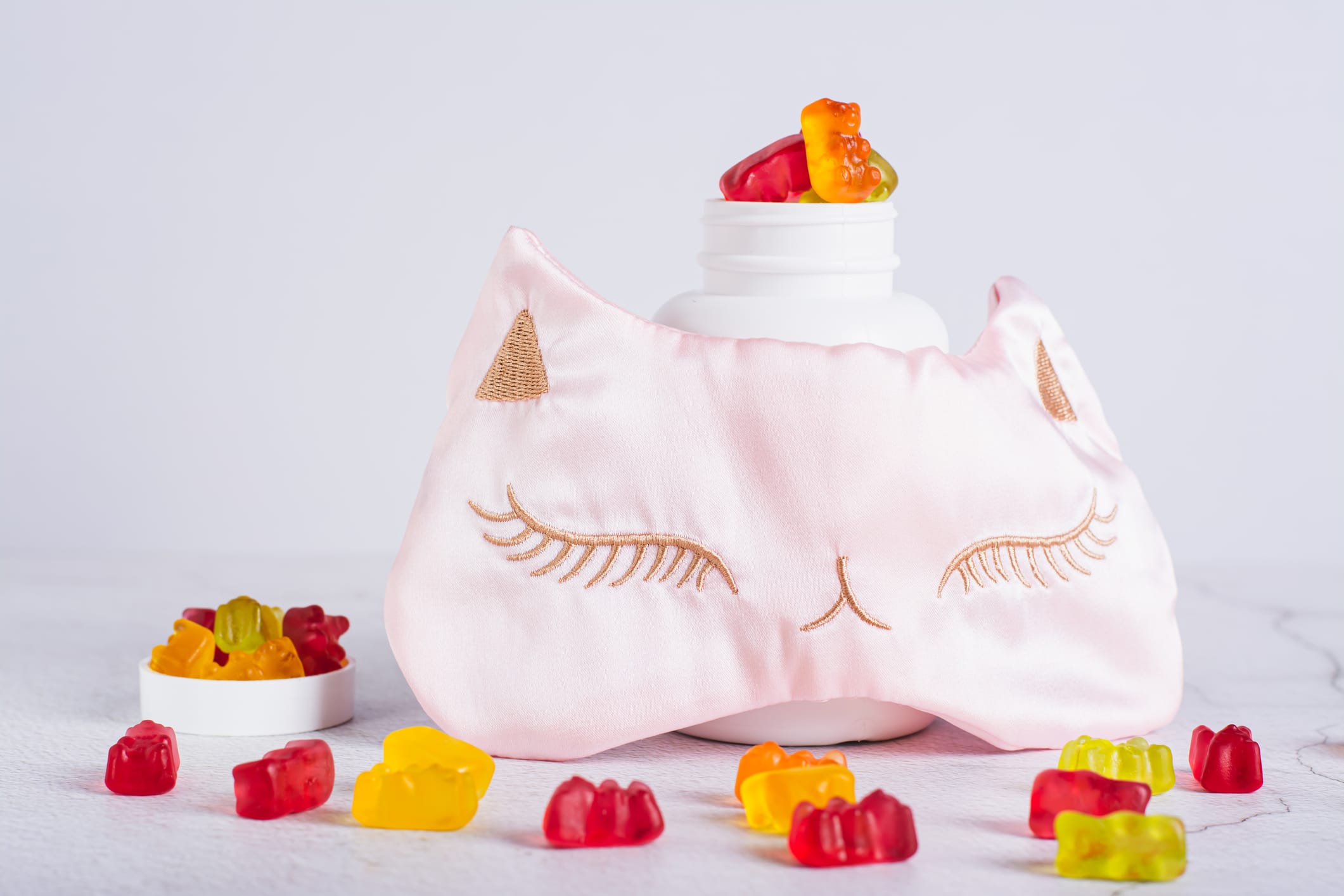
A pivotal 2023 study highlighted the startling inconsistency in the market. Researchers analyzed 30 commercial melatonin products and found that the actual melatonin content ranged from 83% to 478% of what was listed on the label. Even more alarming, some products labeled as melatonin were found to contain zero melatonin, while others contained unauthorized ingredients like cannabidiol (CBD).
This lack of standardization means that a parent purchasing a bottle of "3mg" gummies may be inadvertently administering a dose that is either homeopathic in its insignificance or potentially toxic in its concentration. Furthermore, the variability between lots from the same manufacturer can be as high as 465%, making it impossible for parents to establish a consistent, safe dosage.
Official Responses and Medical Implications
The medical community is clear: melatonin is not a "magic pill" for poor sleep hygiene. It is a hormone, and it should be treated with the respect afforded to any pharmacological intervention.
Risks of Misuse
The most immediate risk is accidental overdose. The popularity of gummy formats has led to a surge in pediatric emergency room visits. Children, attracted to the candy-like taste, may consume large quantities, leading to symptoms ranging from lethargy and nausea to, in rare instances, more severe complications.
The Need for "Behavior First"
Dr. Ibrahim emphasizes that sleep issues in children are frequently tied to environmental factors: lack of a consistent bedtime routine, excessive evening screen time, or poor sleep hygiene. Pediatricians advocate for "nonpharmaceutical therapies" to be the first line of defense. This includes:
- Light Exposure: Encouraging outdoor time in the morning to anchor the circadian rhythm.
- Digital Curfews: Removing blue-light-emitting devices at least one hour before bed.
- Consistency: Maintaining a rigid wake-up time, even on weekends.
Guidelines for Parents
When melatonin is deemed necessary by a healthcare professional, the following precautions are essential:
- Third-Party Verification: Only purchase products that carry a USP (United States Pharmacopeia) verification seal, which ensures the product has been tested for purity and potency.
- Consultation: Never start a child on a sleep supplement without first discussing it with a pediatrician.
- Dosage Precision: Start with the lowest effective dose. The goal is to assist the body’s natural rhythm, not to "knock out" the child with high concentrations.
- Storage: Treat melatonin as a medication. Store it in a locked cabinet, out of reach of children, and never treat it as a snack.
The Path Forward
The narrative surrounding melatonin is shifting from one of "natural sleep aid" to "regulated medical tool." As public awareness of product inconsistencies grows, there is increasing pressure on regulatory bodies to tighten standards for the supplement industry.
For the average family, the takeaway is one of empowerment through caution. Melatonin can be a safe and effective bridge to better sleep when used for the right reasons, at the right dosage, and with the guidance of a physician. However, it is not a substitute for the fundamental building blocks of healthy sleep. By prioritizing evidence-based practices and demanding greater transparency from manufacturers, parents can ensure that melatonin serves its purpose as a support mechanism rather than a source of hidden risk.
As we continue to learn more about the long-term impacts of exogenous hormones, the medical community maintains a stance of "start low, go slow." In the world of pediatric health, there is no replacement for the expertise of a doctor who understands that a child’s developing brain and body require a careful, evidence-backed approach to every intervention—even one that comes in a gummy form.