










Introduction: A Paradigm Shift in Athletic Safety
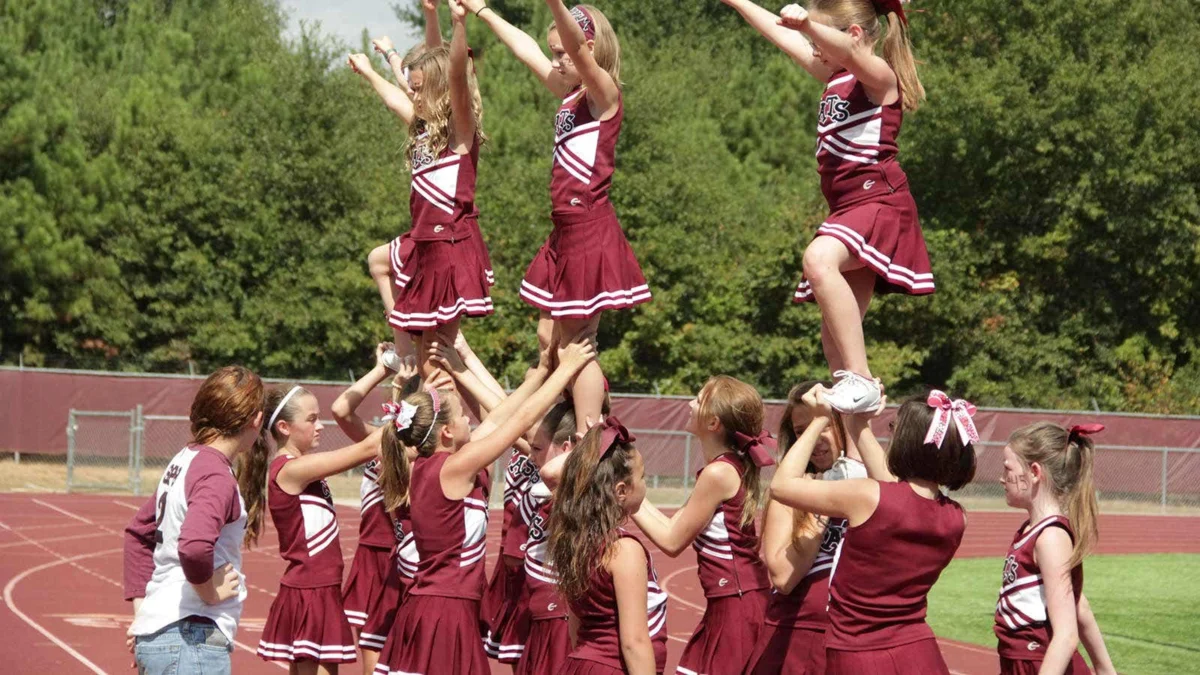
For decades, cheerleading was culturally relegated to the periphery of high school sports, often dismissed as a mere sideline auxiliary to football or basketball. However, the modern reality of the sport—characterized by gravity-defying stunts, complex pyramid structures, and elite-level gymnastics—has transformed it into a high-profile, high-risk contact activity. As the intensity of the sport has grown, so too has the medical community’s concern regarding traumatic brain injuries (TBIs).
A groundbreaking new study, recently published in the journal Pediatrics, provides the first empirical evidence that proactive, evidence-based policy changes can effectively move the needle on athlete safety. By analyzing nearly two decades of injury data, researchers have linked a significant decline in pediatric head injuries to a specific 2012 regulatory intervention: the prohibition of the "double down" stunt.
The 2012 Turning Point: Banning the "Double Down"
In the world of competitive cheerleading, the "double down" was once a hallmark of elite performance. This maneuver required a "flyer"—the athlete tossed into the air—to execute a 720-degree twisting dismount before being caught by teammates. While visually spectacular, the move was fraught with peril. The high-velocity rotation, combined with the necessity of precise coordination between the flyer and the "bases" (the teammates supporting them), created a frequent point of failure.
In a landmark move, the National Federation of State High School Associations (NFHS) and USA Cheer officially banned the maneuver for high school and lower-level grade cheerleaders starting with the 2012-2013 season. The logic was clear: the risk of catastrophic teammate collisions and uncontrolled landings outweighed the aesthetic value of the stunt.
Until the recent study led by Dr. Audrey Litvak, an orthopedic surgery resident at Washington University in St. Louis, the efficacy of this ban remained anecdotal. By dissecting injury trends from 2004 to 2023, the research team finally quantified the impact of this policy shift, revealing a clear "before-and-after" narrative in injury surveillance.
Chronology of Injury Trends: A Data-Driven Analysis
To understand the landscape of cheerleading injuries, Dr. Litvak and her colleagues utilized the National Electronic Injury Surveillance System (NEISS), a database representing approximately 100 U.S. emergency departments. The scope of the study was significant: 16,525 documented cases of cheerleading-related injuries among athletes aged 6 to 18, which translates to a national estimate of over 551,000 injured patients.
2004–2012: The Upward Trajectory
During the eight-year period leading up to the 2012 ban, the data painted a concerning picture. Concussions and closed head injuries were trending upward at a statistically significant rate. The mechanisms of these injuries—specifically stunting and teammate collisions—mirrored this rise. As teams pushed for higher skill difficulty, the physical demands placed on the athletes outpaced the safety infrastructure of the era.
2012–2023: The Impact of Regulation
Following the 2012 implementation of the rule change, the trends shifted dramatically. The researchers observed a significant decrease in the rate of head injuries. Furthermore, injuries resulting from stunting and teammate collisions, which had been rising, began to stabilize or show a marked downward trend. This transition serves as a vital case study for the sports medicine community: rule changes, when designed with specific injury mechanisms in mind, can produce measurable, long-term public health benefits.
Supporting Data: Understanding the Mechanism of Injury
The study highlights that cheerleading is not a monolith; its injury patterns are distinct from those of traditional contact sports like football or soccer.
- The Stunting Factor: The data reveals that 39% of all head injuries in the study cohort were directly attributed to stunting. In contrast, only 5% of head injuries were linked to tumbling. This confirms that the most complex, multi-person maneuvers—where inversion and height are involved—pose the greatest danger.
- The Collision Variable: Teammate collisions accounted for 37% of head injuries. Because cheerleading requires multiple athletes to occupy the same physical space to support a flyer, the margin for error is razor-thin.
- Demographic Insights: The study cohort was overwhelmingly female (98%), with an average age of 13.8 years. This demographic profile highlights a specific need for age-appropriate safety training, as these athletes are often in the middle of their physiological development.
- Seasonal Peaks: The study identified a periodic pattern of injuries, with annual spikes occurring in September, October, and January. These months correlate with the return to school and the start of competitive seasons, suggesting that intensified training schedules and the rapid transition back into high-level stunts may be peak risk periods.
Official Responses and the Need for Better Surveillance
Despite the clear findings of the Pediatrics study, the authors emphasize that this is only a starting point. A recurring theme in the research is the lack of a dedicated, national injury surveillance system for cheerleading.
"This is in part due to an absence of a dedicated injury surveillance system, which limits evidence-based safety guidelines and recommendations," the authors noted. Without consistent, sport-specific data collection, governing bodies are often forced to react to high-profile incidents rather than proactively refining safety measures based on longitudinal trends.
Dr. Litvak expressed optimism regarding the findings but remained cautious about the limitations. "While our study can’t establish causation, the findings suggest that thoughtfully designed, evidence-based safety policies can make a meaningful difference," she noted. She emphasized that the medical community, coaches, and school administrators must work in tandem to improve the quality of data reporting. For clinicians, this means documenting more granular details during emergency room visits, such as exactly which phase of a stunt led to the injury.
Implications: The Path Forward for Athlete Safety
The implications of this study reach far beyond the cheerleading mat. As cheerleading continues to lobby for broader recognition as an official sport, the responsibility to manage concussion risk becomes a central pillar of its legitimacy.
Balancing Athleticism and Safety
The ultimate goal of safety reform is not to strip cheerleading of its athleticism. Athletes, coaches, and parents alike value the excitement, teamwork, and physical challenge the sport provides. The goal, according to Dr. Litvak, is to preserve these elements while systematically stripping away the most dangerous variables.
Lessons from Other Sports
The researchers drew a direct comparison to football, which has benefited from decades of intense, funded research into concussion prevention. The findings suggest that the same level of commitment must be applied to cheerleading. "It’s important to bring that same commitment to other popular youth sports like cheerleading since each sport has its own injury patterns and opportunities for prevention," Litvak noted.
A Call for Continued Research
The study acknowledges several limitations, including the potential for miscoding of injuries within the NEISS database and inconsistent participation data prior to 2014. These gaps reinforce the argument for more robust data collection. Moving forward, the sports medicine community is calling for:
- Standardized Injury Reporting: Implementation of mandatory injury reporting systems at the school district level.
- Technique-Focused Training: Coaches should prioritize the biomechanics of safe landing and spotting, particularly during the transition from intermediate to advanced stunts.
- Policy Evolution: Regulatory bodies like the NFHS should continue to review stunt difficulty based on empirical injury data rather than merely reacting to trends in competitive aesthetics.
Conclusion: A Blueprint for the Future
The decline in head injuries following the 2012 "double down" ban is a triumph of evidence-based policy. It serves as a reminder that athletes are not merely participants in a show, but performers in a high-risk environment that requires constant, vigilant safety oversight.
As the sport of cheerleading matures, the lessons learned from this study provide a roadmap for the future. By prioritizing the safety of the flyer and the coordination of the base, the athletic community can continue to push the boundaries of what is possible on the mat, ensuring that the next generation of athletes can pursue their passion with significantly reduced risk to their long-term health. The data is clear: when we study the mechanics of injury, we create the opportunity to prevent it.