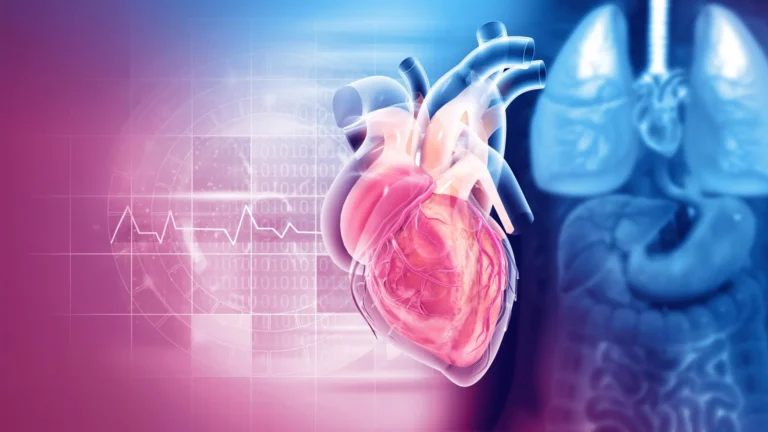
In the ongoing global battle against the world’s leading cause of mortality—cardiovascular disease—a breakthrough has emerged from an unlikely source. An experimental therapeutic originally engineered to treat metabolic dysfunction, specifically type 2 diabetes, is showing profound potential as a cardiovascular protective agent. A new preclinical study, published in the peer-reviewed journal Science Advances, reveals that the drug candidate IC7Fc possesses the ability to aggressively lower cholesterol levels and mitigate systemic inflammation, effectively slowing the progression of atherosclerosis.
This international collaboration, spearheaded by the Leiden University Medical Centre (LUMC) in the Netherlands in partnership with the Monash Institute of Pharmaceutical Sciences (MIPS), offers a beacon of hope for patients who remain at high risk despite current standard-of-care treatments.
The Core Discovery: A Multi-Pronged Approach to Heart Health
At the heart of the study is the molecule IC7Fc. While traditional therapies for heart disease often focus on a single mechanism—such as statins for cholesterol or ACE inhibitors for blood pressure—the researchers identified that IC7Fc operates on multiple physiological fronts.
In preclinical trials involving mouse models genetically predisposed to heart disease, the administration of IC7Fc yielded significant results. The research team observed a marked reduction in triglycerides and circulating cholesterol. More importantly, the drug acted as a preventative shield against atherosclerosis, the process by which fatty plaques accumulate on the inner walls of arteries. By reducing these deposits and lowering arterial inflammation, the drug addresses the very mechanisms that lead to catastrophic cardiac events, such as myocardial infarction (heart attack) and stroke.
Chronology of Development: From Metabolic Regulator to Cardiac Shield
The journey of IC7Fc is rooted in years of dedicated metabolic research. To understand the gravity of this latest discovery, one must look at the developmental timeline of the compound:
The Foundations (Early Research)
The drug was initially conceptualized to address the growing global crisis of type 2 diabetes. Scientists focused on its ability to improve insulin sensitivity and glucose uptake in cells. Early investigations confirmed that IC7Fc acted as a metabolic regulator, successfully managing blood glucose levels in diabetic models.
The Obesity Connection
In subsequent trials, researchers made an incidental but pivotal discovery: IC7Fc had a profound effect on body composition. In obese mouse models, the drug significantly suppressed appetite and reduced body fat percentages. This established the drug as a potential "dual-threat" treatment for metabolic syndrome—a cluster of conditions that include high blood pressure, high blood sugar, and excess body fat.
The Current Breakthrough (Cardiovascular Focus)
The most recent phase of research moved the focus away from weight loss and toward the primary cause of heart disease. By shifting the study population to lean mice with a genetic predisposition to cholesterol-related artery damage, researchers aimed to isolate the cardiovascular benefits of the drug from its weight-loss properties. The findings, as detailed in Science Advances, confirmed that the drug’s protective effects on the heart exist independently of its impact on body weight.
Supporting Data: Dissecting the Mechanism of Action
The data presented by the MIPS team and their international counterparts provides a compelling case for the efficacy of IC7Fc. In the study, the researchers categorized the outcomes into distinct physiological improvements:
- Lipid Profile Optimization: The study demonstrated a measurable decline in low-density lipoprotein (LDL) cholesterol and triglycerides. These lipids are the building blocks of the plaques that constrict blood flow.
- Anti-Inflammatory Response: Atherosclerosis is not merely a "clogging" of pipes; it is an inflammatory condition. The research team found that IC7Fc modulates the immune response within the arterial walls, effectively lowering the presence of pro-inflammatory cytokines that accelerate plaque destabilization.
- Plaque Stabilization and Regression: By slowing the rate of plaque buildup, the drug preserves the integrity of the vascular system. The reduction in plaque volume was particularly striking in the lean, high-cholesterol mouse models, suggesting that the drug could be effective in patients who do not fit the traditional "metabolic syndrome" profile.
A key distinction in the data is the drug’s efficacy in lean mice. Unlike previous iterations of the study where weight loss was a primary outcome, the latest data showed no significant change in body weight or food intake in lean subjects. This is a critical finding, as it suggests the therapeutic potential of IC7Fc is not limited to obese patients, potentially widening the scope of its future clinical utility.
Official Responses and Expert Commentary
Professor Mark Febbraio, a leading voice at the Monash Institute of Pharmaceutical Sciences, has been instrumental in the long-term development of IC7Fc. His perspective highlights the necessity of evolving our approach to cardiovascular treatment.
"Our earlier studies showed IC7Fc could help manage type 2 diabetes, a metabolic disease," Professor Febbraio noted. "This new research shows it can also reduce atherosclerosis, meaning it slows the ‘clogging’ of the arteries, where fatty deposits build up and restrict blood flow to the heart."
Professor Febbraio is quick to temper optimism with scientific pragmatism. He acknowledges that while modern medicine has made strides in managing blood pressure and cholesterol, the mortality rate associated with cardiovascular disease remains unacceptably high.
"Heart disease remains the world’s biggest killer, driven largely by atherosclerosis," Febbraio added. "Even with common treatments that lower blood pressure and cholesterol, many people are still at risk, showing there’s more work to do."
His vision for the drug is one of versatility. By acting as a "dual-action" treatment, IC7Fc could simplify the treatment regimen for patients suffering from comorbid metabolic and cardiovascular conditions. "These results suggest IC7Fc could offer a dual benefit—helping reduce obesity in some, while protecting the heart in others. It’s an exciting step towards a treatment that targets both metabolic and cardiovascular disease."
Implications for Future Medicine
The implications of this research are vast. If human trials mirror the success observed in these preclinical models, IC7Fc could redefine the standard of care for patients at high risk of heart disease.
Addressing the "Residual Risk"
Current cardiovascular treatments often leave a "residual risk"—a segment of the population that takes medication but continues to suffer from cardiovascular events. This suggests that current therapies do not fully address the underlying inflammatory processes of atherosclerosis. IC7Fc, with its unique mechanism of action, could be the key to closing this gap.
The Need for Human Clinical Trials
Despite the promising results in mouse models, the path to clinical use is rigorous. The scientific community is now looking toward Phase I and Phase II clinical trials. These studies will be essential to determine:
- Safety and Toxicology: Ensuring that the systemic impact of the drug is well-tolerated in humans over long durations.
- Dosing Parameters: Identifying the therapeutic window where cardiovascular benefits are maximized with minimal side effects.
- Patient Stratification: Determining which patient populations—those with diabetes, those with obesity, or those with genetic predispositions—would derive the most significant benefit.
A Holistic Approach to Disease Management
The success of IC7Fc in these initial studies underscores a shift in pharmaceutical research: moving away from "siloed" treatments toward systemic approaches. As metabolic and cardiovascular diseases are inextricably linked, the development of a single compound that can regulate metabolism while simultaneously protecting vascular integrity represents the future of preventative medicine.
Conclusion
The findings published in Science Advances represent a significant milestone in the ongoing effort to curb the global burden of heart disease. By targeting the inflammatory and lipid-based foundations of atherosclerosis, IC7Fc has distinguished itself as a potent candidate for further investigation.
While the journey from the laboratory bench to the pharmacy shelf is long and fraught with challenges, the potential for a dual-action therapeutic that addresses both the metabolic drivers of disease and the physical degradation of the heart’s plumbing is an enticing prospect. As researchers prepare for the next stages of development, the medical community remains cautiously optimistic that this experimental drug may eventually provide a more comprehensive, effective, and life-saving strategy for millions of patients worldwide.