WASHINGTON — In a landmark legal development, the federal government has finalized a multi-state settlement with chemical manufacturing giant Chemours Co., marking the first federal enforcement action of its kind to hold a major producer accountable for the pervasive, long-term discharge of Per- and Polyfluoroalkyl substances (PFAS). Often referred to as "forever chemicals" due to their inability to break down in the environment, these synthetic compounds have become a focal point of intense environmental scrutiny and public health advocacy.
The agreement, filed in U.S. District Court in West Virginia, mandates a comprehensive remedial program estimated at $450 million. It aims to address over a decade of illicit chemical releases that have compromised water supplies in West Virginia, North Carolina, and New Jersey. While the settlement signals a significant milestone in environmental enforcement, it has simultaneously ignited a firestorm of political debate, particularly as the administration navigates a complex strategy of balancing industrial compliance with a broader push for regulatory deregulation.
The Scope of the Settlement: A $450 Million Mandate
The settlement, negotiated by the Department of Justice and the Environmental Protection Agency (EPA), addresses systemic violations of the Clean Water Act and the Toxic Substances Control Act. Under the terms of the agreement, Chemours is required to undertake a multi-pronged approach to rectify its environmental footprint:
- Financial Penalties: The company will pay a $22.5 million civil penalty for past violations.
- Infrastructure and Mitigation: A $90 million investment over the next 15 years will be dedicated to mitigating PFAS discharges across the three affected states.
- Facility Upgrades: Chemours is mandated to install state-of-the-art PFAS pollution control systems for surface water and air emissions at its West Virginia facility, a project estimated at $60 million.
- Community Support: A substantial $280 million is earmarked to supply clean, filtered drinking water to communities surrounding the company’s West Virginia and New Jersey sites, where municipal water systems have been heavily impacted by the company’s manufacturing byproducts.
- Ongoing Oversight: The company must implement rigorous controls at its North Carolina facility, pending the results of an independent environmental assessment.
Adam Gustafson, principal deputy assistant Attorney General for the Environment and Natural Resources Division, characterized the settlement as a necessary equilibrium. "The administration recognizes the important role of Chemours regarding its commercial and military obligations," Gustafson noted. "The settlement protects public health while preserving that important balance."
Chronology of a Crisis: Decades of Contamination
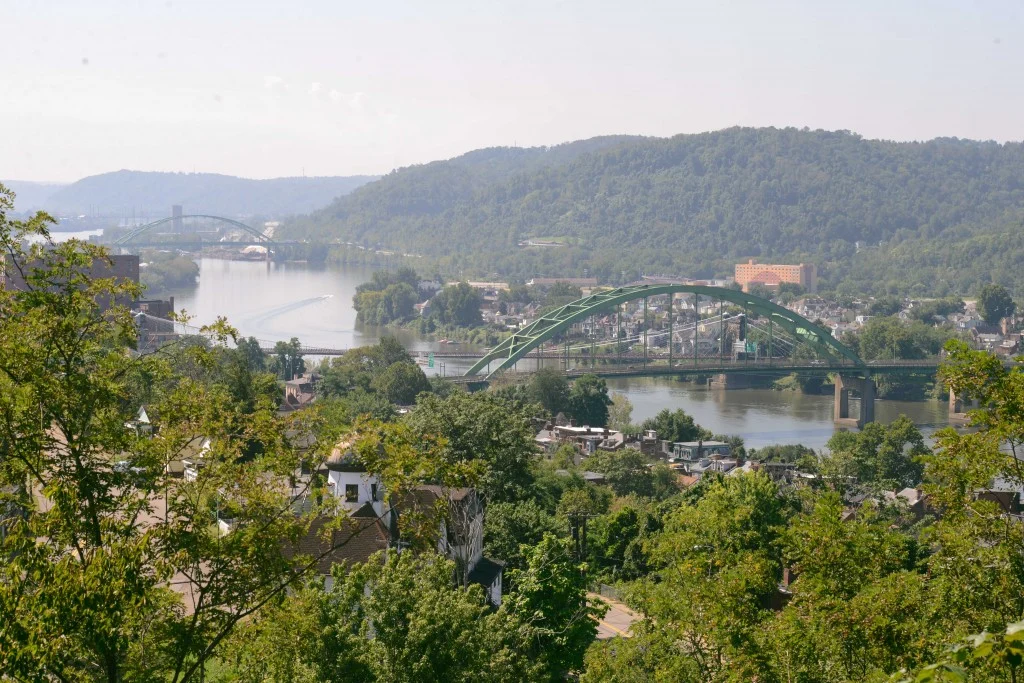
The history of these discharges traces back to the legacy of DuPont, the chemical conglomerate from which Chemours was spun off. For decades, these facilities operated with minimal oversight, discharging synthetic chemicals into the Ohio, Cape Fear, and Delaware rivers.
The Rise of "Forever Chemicals"
PFAS were engineered for their ability to resist water, grease, and stains, becoming ubiquitous in consumer products—from non-stick cookware to firefighting foams. However, as scientific understanding of their toxicity evolved, the long-term health risks became impossible to ignore. Studies have increasingly linked PFAS exposure to cardiovascular disease, suppressed immune function, and various forms of cancer.
Years of Legal Pressure
The federal action follows years of mounting pressure from local coalitions. In August 2025, U.S. District Judge Joseph Goodwin issued a scathing order requiring Chemours to cease unlawful discharges at its Washington Works plant in West Virginia. The judge’s order noted that the ongoing pollution endangered aquatic life, the local environment, and the human population. This ruling provided the necessary legal leverage for the Justice Department to finalize the current settlement, though the agreement notably leaves the liability of the parent company, DuPont, unresolved.
Supporting Data: The Environmental Toll
The environmental damage caused by these discharges is significant. According to court filings, the three facilities in question violated permit requirements for more than a decade. The contamination of the Cape Fear River in North Carolina is particularly well-documented, having drawn national attention to the presence of "GenX," a chemical alternative to traditional PFAS that has itself been linked to significant environmental and health concerns.
The data suggests that the contamination is not merely a localized issue but a systemic failure of industrial safety protocols. The 14 specific treatment systems required by the court order in West Virginia are designed to intercept PFAS at the source—wastewater, stormwater, and groundwater—before it enters the broader ecosystem. However, critics argue that these measures, while necessary, are reactive rather than preventative.
Official Responses: A House Divided
The response to the settlement has been starkly divided along political and geographic lines.
The Federal Perspective
EPA officials have hailed the agreement as a victory for public health. Jeffrey Hall, assistant EPA administrator for enforcement and compliance assurance, stated, "This settlement delivers on the administration’s promise to make polluters pay and stop PFAS contamination at the source. This settlement brings Chemours into compliance with the law and holds it fully accountable."
The View from North Carolina
The reception in North Carolina has been decidedly colder. Attorney General Jeff Jackson, a vocal critic of the deal, labeled the settlement an "insult to the people of eastern North Carolina."
"Our state is ground zero for GenX contamination," Jackson said in a statement. "This deal does practically nothing to clean up our water. Chemours made this mess, and Chemours should clean it up." Jackson’s frustration highlights the growing divide between federal enforcement priorities and the urgent needs of frontline communities that are still grappling with the long-term health effects of chemical exposure.
The Corporate Stance
Chemours, for its part, has framed the settlement as a path toward stability. Spokeswoman Jess Loizeaux stated that the company has already begun planning the mandated operational improvements. "This settlement provides Chemours with greater clarity on future compliance requirements and actions to support long-term responsible manufacturing," Loizeaux said.
Implications: A Shifting Regulatory Landscape
The timing of this settlement is highly significant, occurring as the current administration moves to alter the regulatory framework established during the Biden presidency. While the administration is touting its success in holding a major polluter accountable, it is simultaneously moving to roll back specific, stringent limits on PFAS in drinking water.
The Deregulatory Push
Officials argue that the proposed rollbacks are intended to ensure that regulatory compliance remains "achievable" for local drinking water systems, which may lack the resources to meet overly aggressive federal standards. EPA Administrator Lee Zeldin emphasized that the agency remains committed to addressing PFAS while "following the law."
A Precedent for Future Litigation
This settlement serves as a critical test case for how the federal government will handle toxic torts and environmental enforcement in the coming years. By choosing to settle rather than litigate through a protracted trial, the government has secured immediate funding for remediation. However, environmental advocacy groups fear that such settlements allow corporations to buy their way out of stricter, more punitive regulatory requirements.
As the nation balances industrial necessity—particularly the military’s reliance on PFAS for specialized applications—with the undeniable health risks to local populations, this $450 million agreement stands as a testament to the ongoing struggle for environmental justice. Whether it marks the beginning of a robust era of corporate accountability or a temporary concession in a broader trend of deregulation remains a subject of intense national debate.
For now, residents in West Virginia, New Jersey, and North Carolina are left waiting for the tangible results of the promised water treatment systems. For many, the true measure of this settlement will not be found in the billions of dollars pledged or the headlines generated, but in the eventual quality of the water flowing from their kitchen taps.