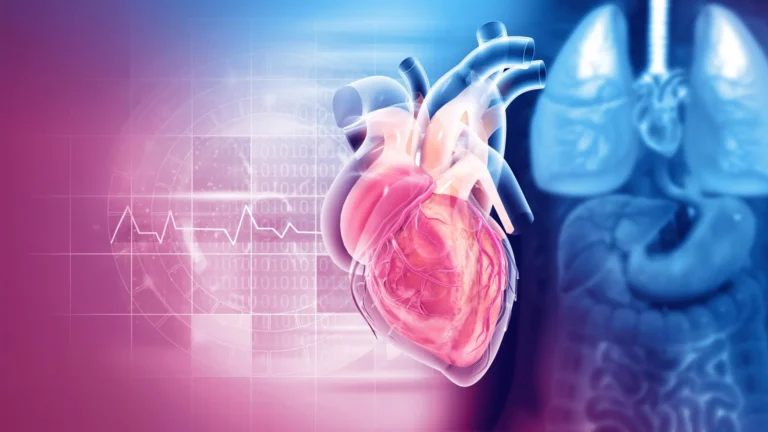
In the landscape of modern medicine, we are accustomed to treating ailments in silos. We visit a cardiologist for heart concerns, an endocrinologist for diabetes, and a nephrologist for kidney function. However, a groundbreaking shift in medical understanding is challenging this fragmented approach. A new condition, Cardiovascular-Kidney-Metabolic (CKM) syndrome, has emerged as the defining health challenge of our time—yet, despite affecting nearly 90% of the U.S. adult population, it remains largely unrecognized by the public.
A recent comprehensive survey conducted by The Harris Poll on behalf of the American Heart Association (AHA) reveals a startling disconnect: while the vast majority of Americans are living with at least one risk factor associated with CKM syndrome, most have never heard the term. As the medical community prepares to formalize clinical guidelines for this condition by early 2026, the urgent task at hand is to bridge the gap between clinical complexity and public awareness.
Understanding the Web of Risks
At its core, CKM syndrome is not a single disease but a systemic phenomenon. It represents the dangerous synergy between heart disease, kidney disease, diabetes, and obesity. The "syndrome" aspect is crucial; it refers to the physiological reality that these conditions are not isolated incidents but rather interconnected threads of a single metabolic tapestry.
For nearly 90% of U.S. adults, these threads are already intertwined. The primary drivers of CKM syndrome include:
- Hypertension: Persistently high blood pressure that stresses the arterial walls.
- Dyslipidemia: Abnormal cholesterol levels that contribute to plaque buildup.
- Hyperglycemia: Elevated blood glucose levels that damage micro-vessels.
- Adiposity: Excess body weight, particularly visceral fat, which acts as a metabolic engine for inflammation.
- Renal Impairment: Reduced kidney function, which often goes unnoticed until significant damage has occurred.
When these factors coexist, they do not simply add to one another—they multiply the risk. The presence of multiple risk factors creates a feedback loop that exponentially increases the probability of catastrophic events such as heart attack, stroke, and chronic heart failure.
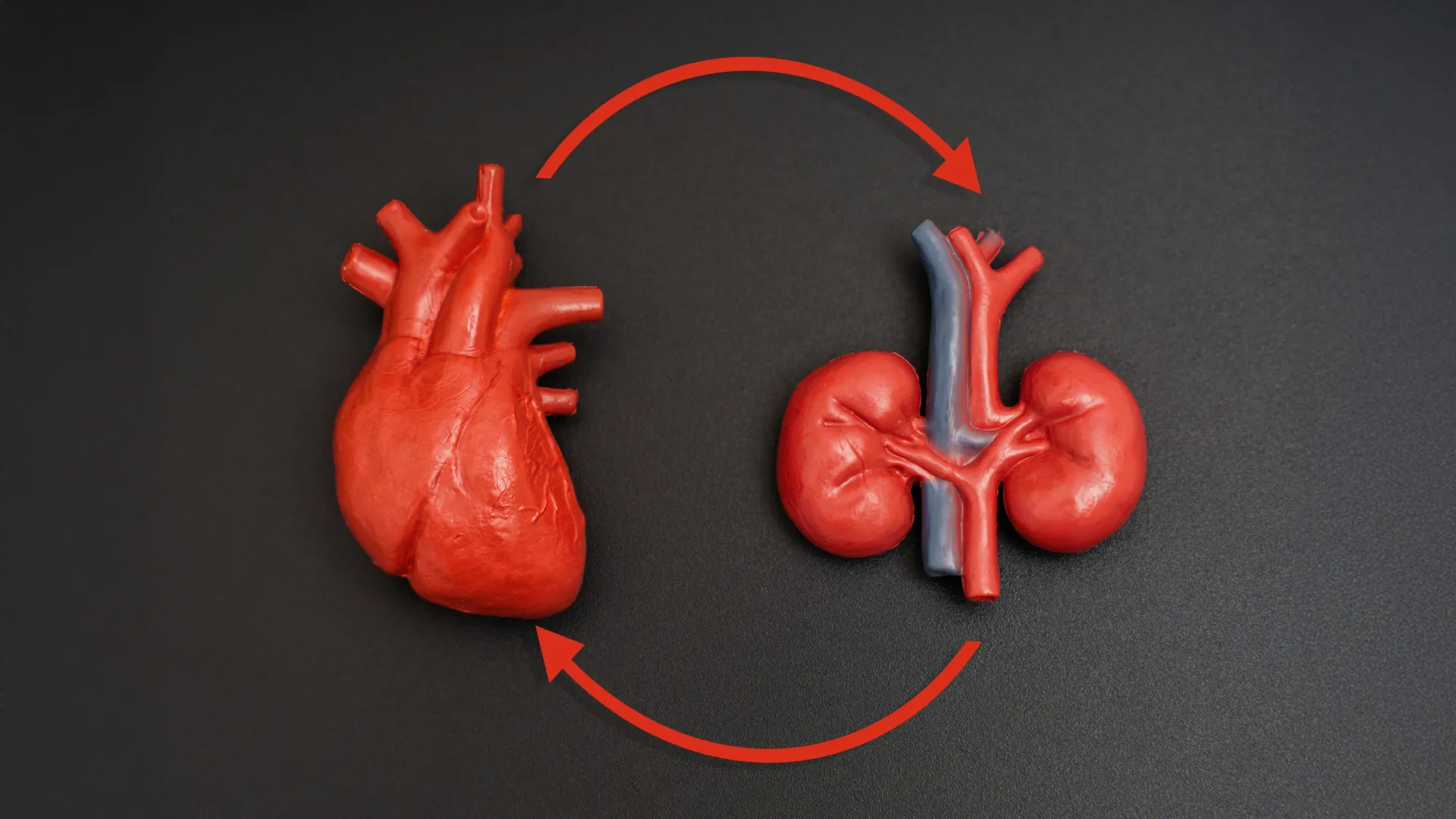
The Physiology of Interconnection: A "Full Circle" Health Model
To understand CKM syndrome, one must view the human body as a highly integrated system rather than a collection of independent organs. The heart, kidneys, and metabolic systems function in a constant state of chemical and physical dialogue.
The metabolic system—which governs how the body creates, stores, and uses energy—is the foundation. When the metabolic system struggles, perhaps due to insulin resistance or excess weight, it immediately places a greater workload on the kidneys to filter blood and on the heart to pump against increased systemic resistance. Conversely, if the kidneys begin to falter, they can trigger hormonal shifts that raise blood pressure, further taxing the heart.
"CKM health is about your overall health," explains Eduardo Sanchez, M.D., FAHA, the American Heart Association’s chief medical officer for prevention. "It’s a full circle. You can take care of your overall health with regular checks of your blood pressure, cholesterol, weight, blood sugar, and kidney function."
This interconnectedness means that medical intervention must also be integrated. Treating the heart while ignoring the metabolic roots of the disease, or managing diabetes without considering the strain on the kidneys, is increasingly seen as a suboptimal strategy. The medical community is moving toward "collaborative care," where interdisciplinary teams address the patient’s entire health profile simultaneously.
Survey Results: A Wake-Up Call for Public Awareness
In August 2025, The Harris Poll surveyed 4,007 U.S. adults to gauge the public’s grasp of this emerging health concept. The results were both sobering and optimistic.
While awareness of the specific term "CKM syndrome" was remarkably low, the survey revealed an underlying public appetite for better health literacy. Once the concept was defined for respondents, nearly three-quarters of them expressed an immediate interest in learning more, recognizing that their own health—or the health of a loved one—was likely affected by these interconnected systems.
This "awareness gap" is a primary focus for the American Heart Association. The organization views the lack of recognition not as a failure of the public, but as an opportunity to simplify the language of complex chronic disease. By shifting the conversation from specific disease labels to a broader "CKM health" framework, the Association hopes to empower patients to take proactive steps before a crisis occurs.
The Path Forward: Clinical Guidelines and Early Intervention
The medical community is not waiting for a public health crisis to mobilize. The American Heart Association has launched the CKM Health Initiative, an expansive effort designed to provide both healthcare professionals and the general public with the tools necessary to manage systemic health.
The most anticipated development in this field is the publication of the first-ever clinical guidelines focused on CKM syndrome, scheduled for release in early 2026. These guidelines will provide the "gold standard" for how doctors should screen for, diagnose, and treat patients who exhibit multiple risk factors. By moving toward a standardized approach, the AHA hopes to move medicine away from reactive, symptom-based care toward a model of preventative, holistic management.
For the individual, the good news is that CKM syndrome is often reversible. Unlike some chronic conditions that are progressive and irreversible, the metabolic and cardiovascular pathways are highly responsive to lifestyle interventions. Early detection through regular health screenings—monitoring blood pressure, cholesterol, weight, and blood sugar—allows for intervention at a stage where dietary adjustments, physical activity, and targeted medical therapies can effectively halt or even reverse the progression of the syndrome.
The Role of Industry and Advocacy
The initiative is bolstered by a collaborative effort between the American Heart Association and key industry partners. Founding sponsors include Novo Nordisk and Boehringer Ingelheim, with support from Novartis Pharmaceuticals, Bayer, and DaVita. This level of cross-sector cooperation underscores the gravity of the situation; addressing CKM syndrome requires a multi-faceted approach involving pharmaceutical innovation, patient education, and health system reform.
For those interested in learning more, the AHA has established an online resource hub at heart.org/CKMtools. This hub offers educational videos and clear, jargon-free explanations of how to take "2 truths" about heart health to heart: namely, that metabolic health is heart health, and that the kidneys are the silent partners in our cardiovascular longevity.
Implications for the Future of Healthcare
As we look toward 2026 and beyond, the definition of a "healthy patient" is likely to evolve. We are moving away from an era where a patient is considered "healthy" simply because they do not currently have a heart attack or a diabetes diagnosis. Instead, the future of medicine will focus on the "CKM score"—a holistic assessment of the heart-kidney-metabolic axis.
The implications for this are profound:
- Shift in Clinical Practice: Doctors will be encouraged to look beyond single test results. A slightly elevated blood sugar level will no longer be treated as a minor anomaly but as a red flag for potential cardiovascular and renal strain.
- Patient Empowerment: Patients will be encouraged to advocate for themselves by asking for comprehensive screenings that look at the interplay of their health metrics.
- Preventative Economics: By managing CKM syndrome early, the healthcare system stands to save billions in costs associated with treating end-stage heart failure, dialysis, and stroke rehabilitation.
Conclusion: A New Era of Preventative Care
The emergence of CKM syndrome as a clinical priority is a testament to how far medical science has come in understanding the body’s internal architecture. We now know that the heart, the kidneys, and the metabolism do not act in isolation. They are partners in a lifelong process of energy regulation and systemic health.
While the low awareness of CKM syndrome is a hurdle, the desire for knowledge displayed by the public is a promising indicator of change. By shifting our perspective to view these risks as a connected, manageable whole, we can move toward a future where "90% of the population" is not a statistic of risk, but a success story of prevention. The "full circle" approach to health is not just a medical strategy; it is a vital roadmap for long-term vitality in the 21st century.
Methodology Note
The research referenced in this article was conducted online in the United States by The Harris Poll on behalf of the American Heart Association. The study surveyed 4,007 U.S. adults aged 18 and older between August 6 and August 22, 2025. Data were weighted by education, age, gender, race/ethnicity, region, household income, household size, marital status, employment, and smoking status to ensure an accurate representation of the population. Results are accurate within ± 2.0 percentage points at a 95% confidence level.