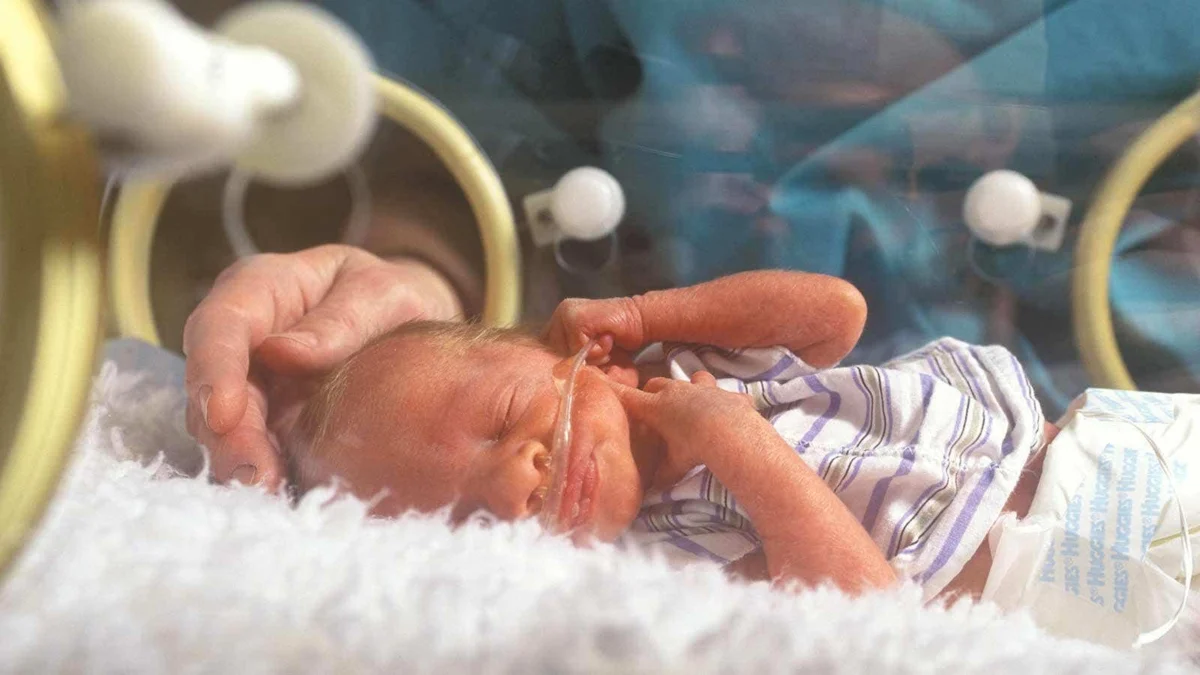
For decades, a diagnosis of anhydramnios—the total absence of amniotic fluid—due to fetal kidney failure was considered a terminal prognosis. Without amniotic fluid to facilitate lung development, fetuses typically succumb to lethal pulmonary hypoplasia shortly after birth. However, the landscape of fetal medicine is shifting. A groundbreaking prospective study, known as the RAFT (Renal Anhydramnios Fetal Therapy) trial, has demonstrated that serial amnioinfusions can successfully bypass this fatal outcome for a significant portion of infants, though the path forward remains fraught with profound medical and ethical complexities.
The Main Facts: Altering the Course of a Lethal Diagnosis
The RAFT study, led by Dr. Meredith Atkinson of the Johns Hopkins University School of Medicine, provides the most comprehensive look to date at the feasibility of prenatal intervention for midtrimester anhydramnios. Published in JAMA, the research examined pregnancies complicated by fetal kidney failure.
The primary finding is both historic and sobering: over one-third of infants who underwent serial amnioinfusions survived beyond the immediate neonatal period. Specifically, of the 32 pregnancies that proceeded with the intervention, 29 resulted in live births. Of those, 19 neonates survived at least 14 days following the placement of dialysis access—a critical benchmark for infants born with end-stage kidney disease (ESKD).
Before this intervention, the survival rate for this patient population was effectively zero. By restoring amniotic fluid through ultrasound-guided percutaneous infusions, clinicians were able to provide the necessary environment for fetal lung development, effectively mitigating pulmonary hypoplasia.
Chronology of the RAFT Study
The RAFT trial was a multi-center, open-label, prospective study conducted across 13 specialized fetal intervention centers in the United States. The research spanned seven years, with enrollment and screening taking place between 2018 and 2025.
The Intervention Protocol
The study cohort consisted of 34 pregnant individuals, with a median age of 30. Of this group, 32 opted for the serial amnioinfusion intervention, while two elected for expectant management. The procedure involved ultrasound-guided, percutaneous infusions of a warmed isotonic solution, administered under local anesthesia.
To be effective, these procedures were initiated before 26 weeks of gestation, with the goal of maintaining a normal amniotic fluid index throughout the remainder of the pregnancy. For the mothers involved, the intervention proved safe, with no unexpected obstetric complications reported, underscoring the feasibility of the procedure in a controlled clinical environment.
Tracking Survival and Morbidity
The trajectory of the infants following birth proved to be a challenging journey. While the intervention successfully facilitated delivery, the survival rates shifted as the infants faced the realities of congenital kidney failure:
- 30 Days: 58.6% survival rate.
- 90 Days: 48% survival rate.
- Hospital Discharge: 14 infants survived to reach home, at a median age of 4.7 months.
- Post-Discharge: Sadly, three infants died after being discharged from the hospital, highlighting the precarious nature of the long-term health outcomes for this cohort.
Supporting Data: The High Cost of Survival
The RAFT study serves as a masterclass in the necessity of transparent, nuanced medical counseling. While the intervention prevents the immediate tragedy of pulmonary hypoplasia, it replaces it with a lifelong battle against chronic disease.
The Burden of Morbidity
The survivors in the study faced significant health challenges. Among the 11 infants who survived to the latest follow-up, the prevalence of neurological issues was striking: six children suffered strokes, including one instance of a spinal stroke. This indicates that while the lungs may be saved, the systemic stress of ESKD and the complications associated with prematurity pose a constant threat to the developing brain.
Quality of Life and Family Impact
The researchers meticulously documented the quality-of-life outcomes for the families involved. The data suggests that the burden of care is immense. Families reported:
- Chronic Anxiety: The vast majority of parents experienced persistent, high levels of anxiety regarding their child’s future.
- Time Constraints: Three-quarters of the families noted that standard family activities required significantly more time and logistical effort due to the child’s medical needs.
- Energy Levels: A majority of the children suffered from low energy, a common systemic complication of chronic kidney failure and the ongoing need for dialysis.
To date, seven of the 11 surviving infants have already received a kidney transplant, a testament to the aggressive medical management required to sustain these children.
Official Responses: Navigating the Ethical Gray Zones
Dr. Atkinson and her co-authors were unequivocal in their assessment of the study’s implications. They emphasize that while serial amnioinfusions are a "feasible intervention," they are not a cure. The transition from a "lethal diagnosis" to a "lifelong chronic condition" requires a paradigm shift in how clinicians interact with expectant parents.
The Necessity of Nuanced Counseling
The study authors stressed that families must be fully apprised of the limitations of the procedure. Prenatal amnioinfusions do not guarantee respiratory survival. Even in successful cases, survivors are prone to respiratory complications, such as pulmonary hemorrhage, and may require advanced respiratory support due to infections or fluid overload.
"This path is burdened by prematurity and significant long-term morbidity," the researchers wrote. "This underscores the necessity of thorough, nuanced counseling for families considering this intervention."
The Ethical Dilemma
The ethical considerations are complex. When a medical intervention creates a life that would not otherwise exist, but that life is guaranteed to be one of chronic illness, pain, and high-frequency medical intervention, the role of the physician becomes that of a counselor rather than just a technician. The RAFT study highlights that the medical community must now grapple with the definition of "success." Is survival at any cost the goal, or must the focus shift to the child’s quality of life and the family’s capacity to manage the, often overwhelming, care requirements?
Implications for Future Research and Clinical Practice
The RAFT study, which included patients with fetal kidney failure (excluding bilateral renal agenesis, which was the focus of a separate segment of the RAFT trial), offers a roadmap for future investigation. However, the researchers acknowledge that the study was limited by a small sample size and a lack of standardized postnatal care protocols across the different clinical sites.
Where Do We Go From Here?
To improve outcomes, the medical community must focus on several key areas:
- Minimizing Preterm Delivery: Many of the complications in the RAFT cohort were linked to the inherent prematurity associated with pregnancies requiring these interventions.
- Standardizing Care: The development of universal protocols for neonatal dialysis and transplantation will be essential to improving survival rates.
- Long-Term Characterization: There is an urgent need for more data on neurodevelopmental and multidomain health outcomes. Understanding how these children develop over the course of childhood and adolescence will be critical for providing accurate expectations to prospective parents.
- Economic and Access Equity: The study noted that a limitation was the requirement for participants to have adequate insurance coverage at enrollment. This raises significant questions regarding health equity and access to these high-cost, specialized fetal interventions.
Conclusion: A New Reality
The RAFT study stands as a testament to the rapid advancement of fetal therapy. It has successfully moved the goalposts for a condition once thought to be universally fatal. However, it also serves as a stark reminder that medical innovation often outpaces our ability to mitigate the long-term suffering associated with the conditions we treat.
For families facing a diagnosis of anhydramnios, the option of serial amnioinfusions is a flicker of light in the darkness. But that light is accompanied by a heavy weight—the reality of raising a child with end-stage kidney disease. As clinical centers move forward, the integration of geneticists, neonatologists, nephrologists, and social workers into the prenatal counseling process will be as important as the surgical skill required to perform the amnioinfusions themselves. The journey from the womb to a kidney transplant is long and treacherous, and the medical community’s commitment to these families must be just as enduring.