A landmark retrospective study conducted by researchers at the Karolinska Institutet in Stockholm has illuminated a critical intersection between immune system suppression and oncological risk. The study, published in JAMA Network Open, provides definitive evidence that individuals living with HIV and solid organ transplant recipients face a substantially higher probability of developing human papillomavirus (HPV)-associated cancers compared to the general population.
As medical advancements continue to extend the life expectancy of both transplant patients and those managing HIV, the long-term sequelae of chronic immunosuppression have moved to the forefront of clinical concern. This extensive analysis, spanning four decades of Swedish health data, suggests that current screening and preventive protocols may require significant recalibration to address these high-risk cohorts effectively.
Main Facts: The Intersection of Immunity and Oncology
The core finding of the research is that immune system impairment—whether driven by chronic viral infection or the pharmacological suppression required to prevent organ rejection—serves as a catalyst for the progression of persistent HPV infections into malignant disease.
The study analyzed data from 1983 to 2024, involving over 350,000 participants. The results indicate that people with HIV are over four times more likely to develop any HPV-related cancer (adjusted odds ratio [aOR] 4.50, 95% CI 3.46-5.84). Solid organ transplant recipients, while facing a slightly lower relative increase than those with HIV, still demonstrate more than double the risk (aOR 2.23, 95% CI 1.85-2.68) compared to their age- and sex-matched counterparts in the general population.
The cancers specifically identified as having significantly higher incidence rates include anal, penile, vulvar, and cervical malignancies. Notably, the study found no such statistical association for vaginal or oropharyngeal cancers in these groups, suggesting that the site-specific oncogenic potential of HPV is modulated differently depending on the nature of the immune compromise.
Chronological Context: Four Decades of Data
The study’s scope is perhaps its most compelling feature, covering a period from 1983 to 2024. This timeframe allows researchers to observe the evolution of medical practice, from the early years of the HIV epidemic to the modern era of highly active antiretroviral therapy (ART) and advanced immunosuppressive regimens for transplant recipients.
- The Early Period (1983–1995): During this era, clinical management for both HIV and transplant patients was significantly less sophisticated. The study tracks how higher rates of uncontrolled viral loads and less refined transplant protocols may have influenced the baseline risk for HPV-driven malignancies.
- The Modern Era (1996–2024): With the introduction of effective ART for HIV and the refinement of organ transplantation techniques, the research team was able to isolate how "managed" immune suppression continues to play a role in oncogenesis. Despite vastly improved survival rates, the persistent, if controlled, state of immune dysfunction appears to remain a significant barrier to the body’s natural clearance of HPV.
By utilizing a massive dataset of 32,093 individuals diagnosed with HPV-related cancers and comparing them against 320,930 matched controls, the researchers were able to establish a robust longitudinal picture of cancer development that is rarely seen in shorter-term investigations.
Supporting Data: Dissecting the Risks
The statistical breakdown provided by Dr. Christina Carlander and her team at the Karolinska Institutet highlights the depth of the disparity.
The HIV Cohort
Among individuals living with HIV, the risks are particularly pronounced:
- Anal Cancer: aOR 58.79
- Penile Cancer: aOR 8.05
- Vulvar Cancer: aOR 7.76
- Cervical Cancer: aOR 2.55
A critical discovery within this cohort was the correlation between CD4 cell counts and malignancy. Low CD4 counts—which serve as a clinical marker for advanced or less-controlled HIV—directly boosted the odds of developing these cancers. This reinforces the necessity of maintaining high levels of immune reconstitution through strict adherence to ART.
The Transplant Cohort
The risk for transplant recipients varies by the type of organ received, suggesting that the intensity of the required immunosuppressive regimen plays a role:
- Heart Transplant: aOR 2.91
- Lung Transplant: aOR 2.71
- Kidney Transplant: aOR 2.17
- Liver Transplant: aOR 1.89
The consistency of increased risk across these organ types suggests that systemic immunosuppression, rather than the specific pathology of the failed organ, is the primary driver of the heightened oncological vulnerability.
Official Responses and Clinical Interpretation
Co-author Eva Meglic, MSc, has been vocal about the implications of these findings for clinical practice. "Overall, our findings reinforce the importance of targeted prevention strategies in immunosuppressed populations and suggest that there is still room to improve both awareness and implementation of preventive measures in clinical practice," Meglic noted in an interview with MedPage Today.
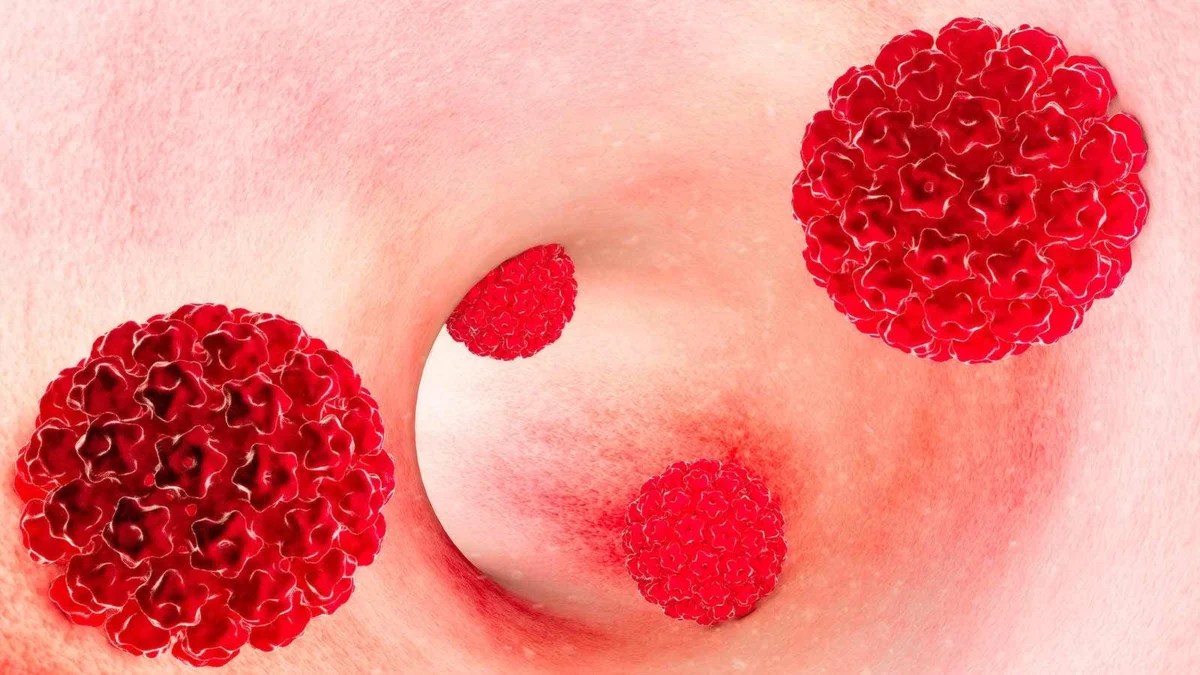
The research team emphasizes that the biological mechanism is relatively clear: long-term immune impairment inhibits the body’s ability to clear persistent HPV infections. Once an HPV infection remains in the body, it can lead to precancerous lesions; without a fully functioning immune system to monitor and destroy these cells, they progress to invasive cancer.
Meglic argues that there is no "one-size-fits-all" approach. Because risks are shaped by a complex interplay of immune status, historical treatment, and even sociodemographic factors, clinicians must move toward a more "risk-informed" model of care.
Implications: The Path Toward Better Prevention
The findings have profound implications for healthcare policy and individual patient management. The authors outline four key pillars for improving outcomes:
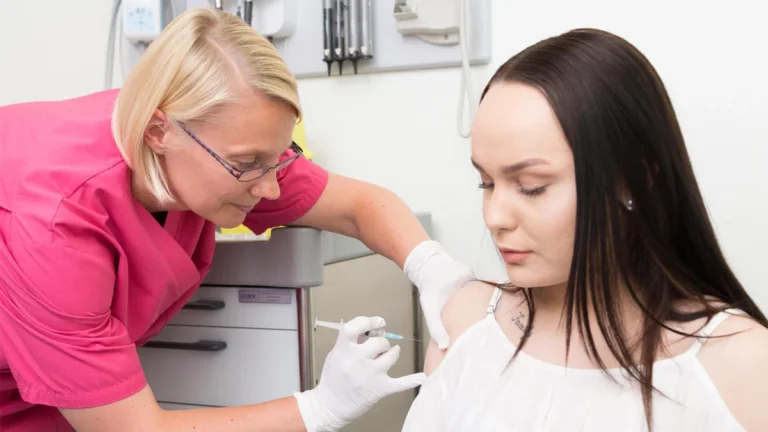
- Timely HPV Vaccination: Vaccination should be a priority for all individuals prior to starting immunosuppressive therapy or as early as possible after an HIV diagnosis.
- Viral Suppression and Immunosuppressive Optimization: For HIV patients, strict viral suppression is paramount. For transplant recipients, clinicians must work to optimize immunosuppressive regimens, striking a delicate balance between preventing organ rejection and maintaining enough immune function to allow for cancer surveillance.
- Enhanced Screening Strategies: Given the massive odds ratios—particularly for anal cancer in the HIV-positive population—standard screening guidelines may be insufficient. The study suggests that high-risk groups should be targeted for more frequent and intensive screening protocols.
- Addressing Social Determinants: The study noted that lower income and marital status were linked to higher odds of cancer in HIV patients. This points to systemic gaps in healthcare access and preventive care engagement. Improving the reach of public health initiatives into these vulnerable communities is essential for early detection.
Study Limitations and Future Directions
While the Swedish study is exhaustive, the researchers acknowledge certain limitations. The dataset lacked granular data on lifestyle factors—specifically smoking, sexual behavior, and alcohol consumption—which are known independent risk factors for various cancers. Furthermore, there is the potential for "reverse causality," where some cancers might have been developing at a sub-clinical level prior to the organ transplant.
Despite these limitations, the sheer scale of the study makes it a cornerstone document for oncologists, infectious disease specialists, and transplant surgeons alike. The research serves as a clarion call to integrate cancer prevention more deeply into the routine care of the immunocompromised. As the medical community looks to the future, the integration of HPV awareness and surveillance into standard immunosuppression management plans will be a critical step in reducing the preventable burden of cancer.