










In the modern American grocery aisle, the sheer volume of processed food options can be overwhelming. Yet, beyond the colorful packaging and health-conscious marketing claims, a fundamental question remains: Who is actually verifying that the chemical additives in these products are safe for human consumption?
For decades, the answer has been an unsettling one. Under the "Generally Recognized As Safe" (GRAS) provision—a designation intended for common substances like vinegar or salt—food manufacturers have been granted the authority to self-determine the safety of additives used in their products. This regulatory loophole effectively allows the industry to bypass formal FDA approval, creating a system where the fox is quite literally guarding the henhouse. Now, as the "Make America Healthy Again" (MAHA) movement gains political traction, this systemic oversight has become a flashpoint in the national debate over public health, corporate influence, and the integrity of the American food supply.
The Origins and Mechanics of the GRAS Loophole
To understand the current crisis, one must look back to the 1958 Food Additives Amendment. At the time, the legislation was intended to ensure that any new chemical introduced into the food supply underwent rigorous, independent safety testing by the FDA. However, the law included a carve-out for substances already widely accepted as safe, such as common spices or leavening agents.
Over the years, this narrow exception has morphed into a sprawling, opaque regulatory bypass. Today, companies can designate new chemicals as "GRAS" based on the findings of a panel they themselves hire and pay. While the FDA provides a voluntary notification program, the agency rarely audits the findings. Consequently, thousands of synthetic chemicals have entered the food supply without ever receiving an independent safety stamp from federal regulators.
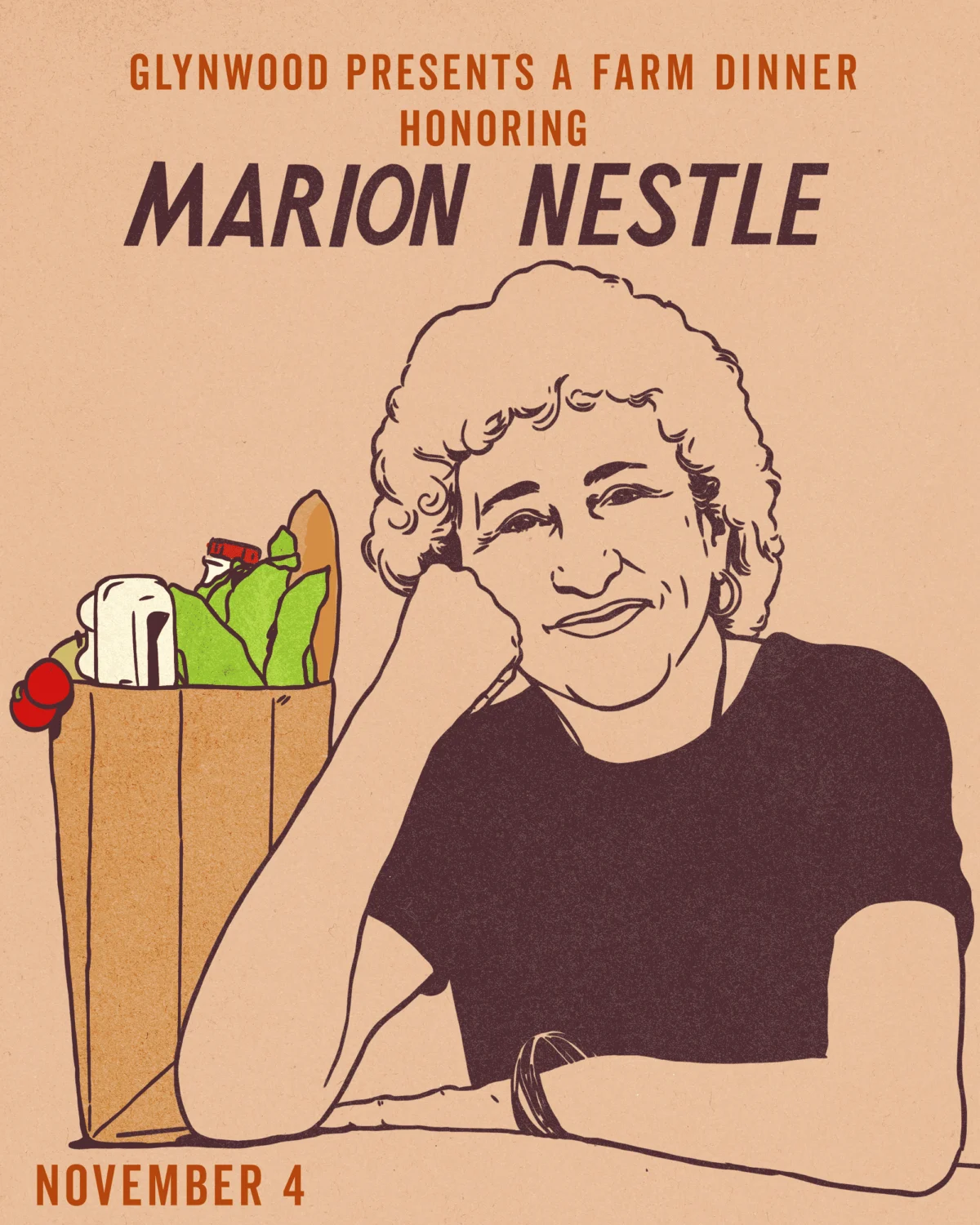
Critics, including renowned public health experts like Marion Nestle, have long argued that this structure is fundamentally compromised. In a 2013 article published in JAMA Internal Medicine, Dr. Nestle highlighted how this framework creates a systemic conflict of interest, where scientific integrity is sacrificed to accommodate the convenience and profitability of the food industry.
Chronology of a Regulatory Deadlock
The battle to close the GRAS loophole is not a recent development, though it has reached a fever pitch in the last two years.
- 1958: The Food Additives Amendment is passed, establishing the original GRAS provision.
- 2013: Experts and public health advocates begin a sustained campaign to expose the conflicts of interest inherent in self-determined safety standards.
- March 2025: Following the rise of the MAHA movement, HHS Secretary Robert F. Kennedy, Jr. formally directs the FDA to "explore rulemaking" regarding GRAS, signaling a potential legislative shift toward mandatory, independent safety assessments.
- Late 2025–Early 2026: As the threat of regulation looms, lobbying expenditures by food chemical suppliers, manufacturers, and packaging firms skyrocket.
- June 2026: Consumer Reports and the product-scanning app Yuka publish a joint investigation revealing that 25 out of 40 popular food items contain concerning levels of additives, sparking a new wave of public outcry and a petition that gains over 35,000 signatures.
Supporting Data: The Hidden Dangers in the Aisles
The urgency of this movement is underscored by recent data. A collaborative investigation by Yuka and Consumer Reports brought the abstract concept of "regulatory failure" into the homes of everyday Americans. By analyzing 40 widely consumed food and drink products, the groups found that over 60% contained at least one additive linked to health concerns by peer-reviewed research.
These additives, often hidden under broad labels like "natural flavors" or "preservatives," are being ingested by millions of Americans daily. As the petition spearheaded by Yuka and Consumer Reports notes, "Americans shouldn’t need a chemistry degree to eat safely—but today, no one, not even the FDA, can say exactly what’s in our food." The petition’s rapid success in gathering signatures indicates a growing public consensus: the current "honor system" for food safety is no longer sufficient.
The Lobbying Machine: Why Reform is Stalled
If the scientific and public health arguments for closing the GRAS loophole are so compelling, why has progress been so sluggish? The answer lies in the corridors of power in Washington D.C., where the food industry has launched a massive defensive campaign.
According to a detailed investigative report by NOTUS, the number of organizations lobbying on the GRAS issue has tripled since the HHS Secretary’s directive in 2025. In the first quarter of 2026 alone, 35 different organizations—representing a coalition of food chemical suppliers and manufacturers—disclosed lobbying activity specifically targeting potential GRAS reform.
This is a significant escalation from the 12 organizations that reported similar lobbying in 2025, and a drastic increase from the single organization that did so in 2024. The financial resources behind this effort are staggering. For instance, "Americans for Ingredient Transparency" (AFIT) reportedly paid the Russell Group $240,000 between August 2025 and March 2026 to lobby on "issues pertaining to ingredient transparency."
These figures suggest that the food industry views the potential closure of the GRAS loophole not merely as a regulatory change, but as an existential threat to its business model. By flooding the lobbying landscape, these companies aim to delay, dilute, or entirely derail the rulemaking process initiated by the administration.
Official Responses and Administrative Hesitation
Despite the directive from HHS Secretary Kennedy to write "real regulations," the FDA has been notably quiet. There have been no formal proposals or draft rules released to the public, leading to widespread speculation regarding the agency’s internal inertia.
Observers point to two primary reasons for this holdup. First is the sheer bureaucratic complexity of unwinding a system that has been in place for over 60 years; reclassifying thousands of additives would require a massive infusion of resources and legal expertise that the FDA may not currently possess. Second, and perhaps more importantly, is the intense political pressure exerted by the aforementioned lobbying groups.
The administration’s recent pivot—with RFK Jr. increasingly focusing on physical activity initiatives—has left some activists wondering if the momentum for deep-rooted food policy change is shifting away from regulation and toward lifestyle advocacy, reminiscent of the "Let’s Move!" campaign of the previous decade. While promoting exercise is undoubtedly beneficial, critics argue it does little to address the root cause of the metabolic health crisis: the additives and ultra-processed ingredients that constitute a large portion of the American diet.
The Implications for Public Health
The failure to close the GRAS loophole has profound implications for the future of American health. As the prevalence of chronic, diet-related diseases continues to rise, the inability to clearly identify and regulate the chemical compounds in our food supply remains a critical barrier to progress.
If the "Make America Healthy Again" movement is to succeed in its primary goal, it must prepare for a long, adversarial struggle against a food industry that has become deeply entrenched in the legislative process. The current state of affairs represents a choice: either we prioritize the convenience and profit margins of chemical suppliers, or we restore the FDA to its intended role as a rigorous protector of public health.
As the petition for transparency grows and the lobbying war continues, the American public remains in a state of suspended animation. We are currently living in an era where the safety of our food is determined not by objective, independent science, but by the legal departments of the very corporations selling it to us. Closing the GRAS loophole is not just a regulatory technicality; it is a fundamental reclamation of the consumer’s right to know what they are eating. Until that happens, the burden of safety remains on the individual, rather than the institution tasked with protecting them.