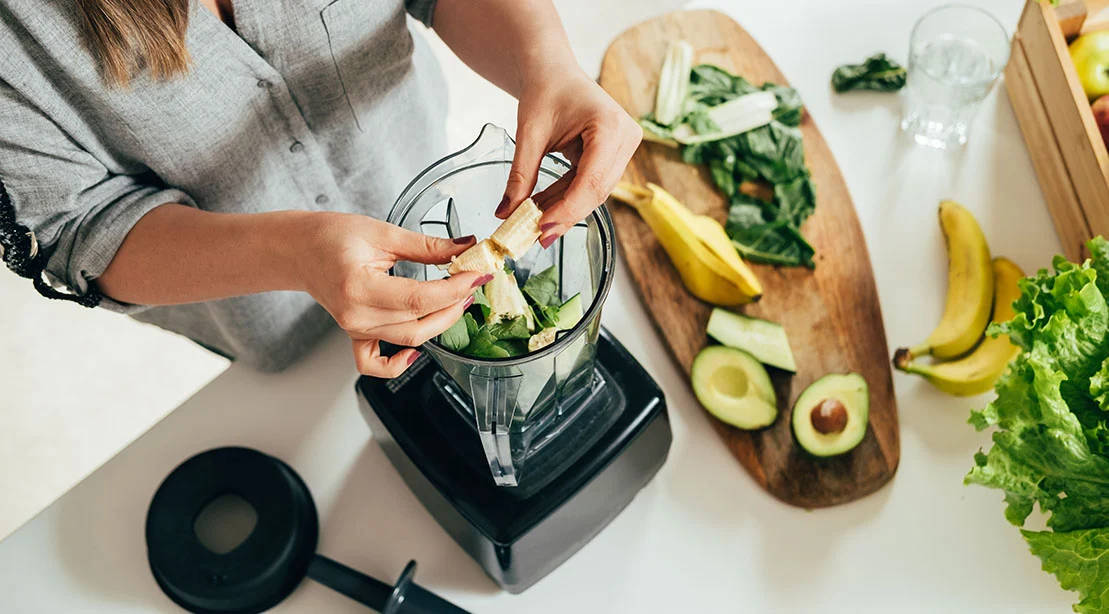
As the summer heat intensifies and training schedules shift into high gear, the blender has become the most important appliance in the modern athlete’s kitchen. Whether you are looking to accelerate muscle recovery or seeking a convenient, nutrient-dense breakfast to jump-start your morning, the smoothie—or protein shake—is the ultimate tool.
However, there is a distinct difference between a high-performance recovery drink and a glorified milkshake. Many gym-goers inadvertently sabotage their nutritional goals by treating their blender like a culinary junk drawer. To truly harness the power of a liquid meal, one must understand the biochemistry of ingredients, the nuances of macronutrient ratios, and the hidden risks of common additives.
The Anatomy of a High-Performance Shake
At its core, a smoothie is a functional delivery system for essential nutrients. When constructed with precision, it acts as a vehicle for protein synthesis, glycogen replenishment, and antioxidant intake. When built poorly, it becomes a calorie-dense "problem child" that contributes to unwanted weight gain rather than lean muscle acquisition.
Caloric Awareness and Liquid Satiety
One of the most frequent errors in smoothie preparation is a lack of caloric oversight. It is easy to overestimate the satiating power of liquid calories. Because smoothies bypass the mechanical digestion process of chewing, they do not trigger the same satiety signals in the brain as solid food. A 500-calorie smoothie will rarely keep you as full as a 500-calorie meal of grilled chicken, rice, and vegetables.
For the average individual, a standard smoothie should hover between 300 and 400 calories. If you are in the middle of an intense, high-volume training block or are consuming the shake as a direct meal replacement, you have more latitude. However, be wary of the "hidden" calories found in generous portions of nut butters, full-fat yogurts, and excessive protein scoops.
The Banana Controversy: A Biochemical Mismatch
For years, the banana has been the gold standard for smoothies, prized for its ability to provide texture, creaminess, and sweetness. However, recent research from the University of California, Davis, has introduced a compelling reason to reconsider this staple.
The Enzyme Conflict
The study focused on the interaction between polyphenol oxidase (PPO)—an enzyme found in high concentrations in bananas—and flavanols, the beneficial plant compounds found in berries, grapes, and cocoa. When you blend a banana with blueberries or blackberries, the PPO enzyme rapidly degrades the flavanols, effectively neutralizing their heart-healthy benefits before they even reach your digestive tract.
This does not render the banana "unhealthy." Rather, it is a matter of strategic pairing. If your goal is to maximize the antioxidant profile of your shake, consider substituting bananas for fruits with lower PPO activity, such as mango, pineapple, or oranges.
Macro-Balancing: The Trinity of Nutrition
A superior smoothie must be a balanced matrix of protein, carbohydrates, and healthy fats. Relying too heavily on one category can lead to rapid blood sugar spikes or insufficient recovery support.
- Protein: The cornerstone of muscle repair. Sources like high-quality whey, ultra-filtered milk, or cottage cheese provide the necessary amino acids.
- Carbohydrates: Essential for replenishing glycogen stores depleted during training. Sources like oats, berries, or frozen fruit provide energy without the need for processed sugars.
- Healthy Fats: Crucial for hormone regulation and satiety. Ingredients like hemp seeds, chia seeds, flax, or avocado slow the absorption of nutrients, ensuring a steady stream of energy.
The Protein Powder Predicament: Emulsifiers and Gut Health
Not all protein powders are created equal. Beyond the protein content, labels often reveal a host of emulsifiers—gums and additives—designed to improve shelf life and texture.
While these additives are generally recognized as safe, recent scientific inquiry suggests that long-term, high-frequency consumption of emulsifiers may disrupt the gut microbiome. The gut-brain axis and immune health are closely linked to the diversity of this microbiome. If your daily diet already includes processed foods like protein bars, dressings, and commercial breads, you may be exceeding recommended intake levels for these additives.
To mitigate this, seek out "clean" protein sources. Brands such as Naked Nutrition, Equip, and Drink Wholesome have gained popularity by omitting these synthetic agents. When in doubt, perform the "label check": if you cannot pronounce the ingredient, it likely belongs on the shelf, not in your shaker.
Electrolyte Optimization: The Role of Sodium
While mainstream nutritional advice often pushes for low sodium, the reality for an athlete is different. If you are training intensely, you are losing significant amounts of electrolytes through sweat. A pinch of sea salt (approximately 1/8 teaspoon) added to a post-workout shake can facilitate better water retention and rehydration.
Sodium acts as a "carrier" for water, ensuring that the hydration you drink actually stays in your cells to aid recovery. This is particularly important for endurance athletes or those training in high-heat environments.
The "Stealth Vegetable" Strategy
Most adults struggle to hit their daily micronutrient targets. Smoothies offer a convenient, tasteless way to integrate cruciferous vegetables into your diet.
Research published in the journal Food Chemistry indicates that pureeing raw spinach can actually enhance the bioavailability of certain antioxidants. By blending raw vegetables with flavor-forward ingredients like frozen berries, cinnamon, or cocoa powder, you can easily consume a serving of greens without the "salad" taste. Cauliflower, for instance, provides a surprisingly creamy texture similar to banana without the high sugar content, making it an ideal candidate for low-glycemic shakes.
Sugar: The Hidden Calorie Bomb
The line between a health drink and a dessert is dangerously thin. Many "healthy" smoothies rely on dates, honey, fruit juice, and sweetened nut milks. When combined, these ingredients can create a sugar load that rivals a soda.
Rule of Thumb: Limit yourself to two sugar-containing ingredients per blend. Whenever possible, choose unsweetened almond or soy milk and rely on whole fruit for sweetness. If the shake isn’t sweet enough, lean into spices—cinnamon, ginger, and nutmeg—rather than adding sweeteners.
The Future of Recovery: Spices as Functional Medicine
The spice cabinet is the most underutilized resource in smoothie making. Beyond flavor, spices are potent sources of concentrated phytonutrients.
- Cinnamon: Assists in blood sugar regulation.
- Ginger: Known for its anti-inflammatory properties, ideal for post-training soreness.
- Cayenne: Can boost metabolic rate and improve blood flow.
Recipe: The Berry-Cheesecake Recovery Shake
This recipe adheres to the principles of macro-balancing, low-sugar content, and high-antioxidant density.
Ingredients:
- 1 scoop vanilla grass-fed whey protein (or plant-based alternative without emulsifiers)
- 1/2 cup low-fat cottage cheese (for casein protein and creaminess)
- 1/2 cup frozen raspberries (high in antioxidants)
- 1 tbsp chia seeds (omega-3 fatty acids)
- 1/4 tsp cinnamon
- 1/8 tsp sea salt
- 1 cup unsweetened almond milk
- 1/2 cup raw spinach (optional, for nutrient density)
Instructions:
- Add the almond milk and cottage cheese to the blender first to ensure a smooth base.
- Add the protein powder, spices, and salt.
- Add the spinach and chia seeds.
- Top with the frozen raspberries.
- Blend on high for 45 seconds until the mixture reaches a velvety, consistent texture.
Conclusion: The Path to Consistent Performance
Building a better smoothie is about more than just taste; it is about intentionality. By controlling your caloric intake, being mindful of enzymatic interactions, choosing clean protein, and utilizing the power of spices and vegetables, you transform your smoothie from a simple drink into a sophisticated recovery tool.
The goal of the modern athlete should be to maximize every calorie consumed. When you stop treating your shake as an afterthought and start treating it as a key component of your recovery protocol, you will find that your energy levels, muscle recovery, and overall performance will follow suit. Start by auditing your current blender habits today—your body will thank you in the gym tomorrow.