








Introduction: The Challenge of DLBCL
Diffuse large B-cell lymphoma (DLBCL) remains one of the most formidable challenges in modern oncology. As the most common subtype of non-Hodgkin lymphoma, it is characterized by its aggressive nature and its ability to proliferate rapidly throughout the body. While frontline treatments—typically a combination of chemotherapy and immunotherapy—are effective for a significant portion of patients, a subset of individuals faces recurring, treatment-resistant disease. These cases often involve metastasis to "sanctuary sites," such as the central nervous system, where traditional drugs struggle to penetrate.
At the forefront of the effort to decipher these mechanisms is Dr. Yulai Zhou, an MD, PhD researcher at Yale University. By investigating how malignant B cells "hijack" the body’s own immune regulatory systems, Dr. Zhou is mapping a path toward next-generation therapies that promise to turn the tide against aggressive lymphomas.
Main Facts: The Scientific Frontier
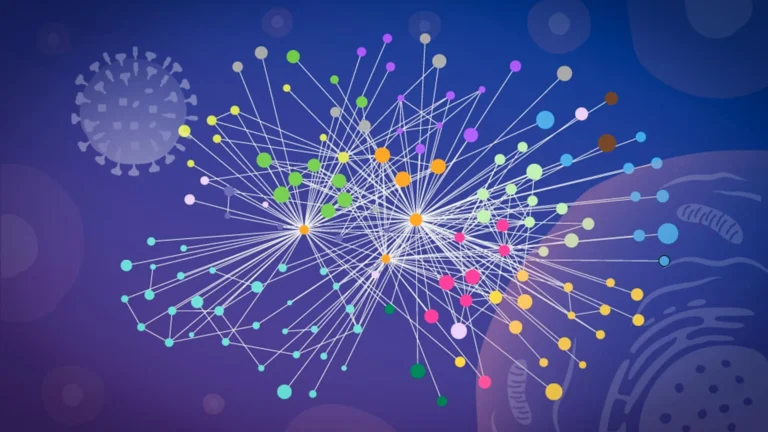
Dr. Zhou’s research focuses on the biological "hijacking" that allows DLBCL cells to persist despite therapeutic intervention. His work centers on the hypothesis that lymphoma cells do not simply grow uncontrollably; rather, they exploit the delicate, competitive signaling pathways that healthy B cells use to mature and provide immune protection.
Key components of his research include:
- Immune Exploitation: Identifying the specific molecular signals that malignant cells use to masquerade as healthy, high-functioning immune cells.
- Metastatic Mechanisms: Determining why lymphoma cells favor specific anatomical niches, such as the brain, and how they navigate the blood-brain barrier to colonize these areas.
- Therapeutic Vulnerability: Pinpointing these "hijacked" signals as potential drug targets. If researchers can block the communication lines the lymphoma cells use to survive, they can effectively starve the tumor of the signals it needs to proliferate.
"By identifying the signals that allow lymphoma to spread and persist," Dr. Zhou explains, "my research seeks to uncover new weaknesses that can be targeted with future therapies, with the goal of improving outcomes for patients with aggressive or treatment-resistant lymphoma."
Chronology: From Clinical Curiosity to Laboratory Innovation
The arc of Dr. Zhou’s career is defined by a deep-seated fascination with the duality of the human immune system—its ability to defend us and its potential to cause harm.
The Formative Years: University of Texas Health San Antonio
Dr. Zhou’s interest in the field was ignited during his time as a visiting student at the University of Texas Health San Antonio. It was here that he was first exposed to the rigorous study of B-cell development. B cells are essentially the "soldiers" of the immune system, undergoing a highly competitive maturation process to produce specific antibodies.
"What fascinated me was that this same process, designed to protect us, can sometimes go wrong and give rise to DLBCL," Dr. Zhou notes. This early realization that the very machinery intended to preserve life could be co-opted to foster malignancy served as the cornerstone of his scientific philosophy.
The Yale Transition
Following his medical and doctoral training, Dr. Zhou transitioned to Yale University. In the Yale laboratory environment, he moved from observing the maturation of healthy B cells to investigating the aberrant signaling that defines malignancy. His work today is a direct extension of his early curiosity: How do these cells escape the strict regulatory checkpoints that keep healthy immune systems in check?
Supporting Data: Understanding the Immune Landscape
To appreciate the gravity of Dr. Zhou’s work, one must understand the complexity of the B-cell life cycle. In a healthy system, B cells are subjected to rigorous quality control. They must compete for survival signals in the germinal centers of lymph nodes. Only those that are "fit" and capable of mounting a strong defense survive.
Dr. Zhou’s data suggests that DLBCL cells have evolved to bypass this competition. Instead of relying on the standard environment for validation, these cancer cells create an autonomous survival loop. By synthesizing their own growth signals or manipulating the neighboring microenvironment, they become immune to the body’s "off-switches."
The "Sanctuary Site" Problem
One of the most critical aspects of his research is the study of lymphoma migration. When lymphoma reaches the brain or spinal cord, the prognosis drops significantly. Dr. Zhou’s team is analyzing the transcriptomic profiles of cells that successfully breach these barriers. The data indicates that these cells express specific surface proteins—acting like "molecular keys"—that allow them to pass through endothelial junctions that would normally block such migration. By blocking these keys, Dr. Zhou hopes to create a preventive strategy for patients at high risk of central nervous system relapse.
Official Perspectives: The Philosophy of Elegance in Science
Dr. Zhou’s approach is not merely clinical; it is deeply philosophical. He describes the immune system as a structure of "complexity and elegance," a system so finely tuned that even a minor deviation can lead to catastrophic failure.
"Understanding how to prevent this from happening and how to target these errors in patients is what drives my research every day," he says. This perspective is vital in the modern oncology community, which is increasingly moving toward "precision medicine." Rather than using "carpet bombing" approaches like traditional chemotherapy, which affects both healthy and cancerous cells, Dr. Zhou’s research aims for the surgical precision of targeting only the rogue signals.
His mentors and peers in the field emphasize that his background as both a physician and a researcher (MD, PhD) provides him with a unique vantage point. He understands the laboratory science at a granular, molecular level, while never losing sight of the patient in the clinic who requires a more effective, less toxic treatment option.
Implications: The Future of Lymphoma Treatment
The potential impact of Dr. Zhou’s research on the future of oncology is profound. If the signals he is identifying are confirmed as universal drivers of DLBCL, they could lead to:
- Companion Diagnostics: New tests that could identify, at the time of diagnosis, which patients are at high risk for central nervous system metastasis, allowing for earlier, more aggressive intervention.
- Targeted Inhibitors: A new class of small-molecule drugs or monoclonal antibodies specifically designed to "sever" the survival signaling pathways of the lymphoma cell.
- Combination Therapies: Enhancing the effectiveness of CAR-T cell therapy or checkpoint inhibitors by neutralizing the "evasion" signals that currently limit the efficacy of these advanced treatments.
As the scientific community continues to grapple with the complexities of lymphoma, researchers like Dr. Yulai Zhou represent the vanguard of discovery. His work serves as a reminder that the solution to cancer may not lie in inventing entirely new systems, but in deeply understanding the existing ones—and learning how to stop them when they are forced to turn against us.
Conclusion
The journey from a student observer to a lead investigator is rarely linear, but for Dr. Zhou, it has been driven by a singular, consistent inquiry: Why do the body’s own defensive mechanisms fail? Through his tenure at Yale, he continues to bridge the gap between basic immunology and clinical application. While the road to a cure for aggressive lymphoma is long, the insights garnered by Dr. Zhou’s research offer a promising trajectory toward a future where "treatment-resistant" is no longer a terminal diagnosis.
As his work progresses, the medical community waits with anticipation for the next phase of his clinical trials, which may eventually translate these laboratory findings into tangible life-saving treatments for patients worldwide. Through his unwavering focus on the "complexity and elegance" of the immune system, Dr. Zhou is not just studying lymphoma—he is working to rewrite the future of oncology.