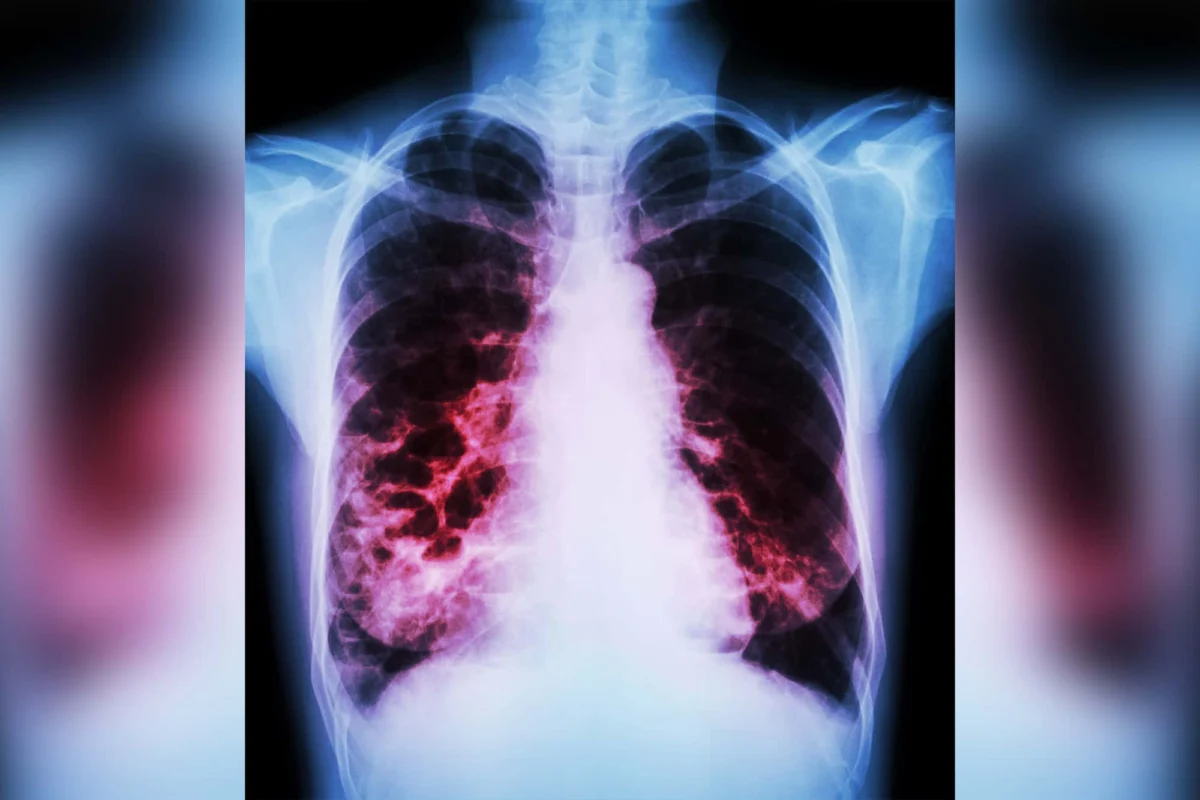
A groundbreaking international study has illuminated a critical intersection in pulmonary medicine, revealing that the presence of diabetes mellitus in patients with bronchiectasis acts as a significant catalyst for clinical deterioration. The research, published in The Lancet Respiratory Medicine, provides the most comprehensive evidence to date that individuals navigating the dual burden of these conditions face a significantly higher risk of mortality, frequent hospitalizations, and a more aggressive disease trajectory.
By synthesizing data from over 30,000 patients across four global registries, researchers have established that diabetes is not merely a comorbid bystander but a profound modifier of bronchiectasis outcomes. These findings necessitate a paradigm shift in how clinicians manage respiratory patients, urging a move toward more intensive, multidisciplinary care models.
Main Facts: The Intersection of Two Chronic Conditions
Bronchiectasis—a condition characterized by the permanent dilation of the bronchi, leading to chronic cough, excessive mucus production, and recurrent infections—is inherently complex. When complicated by diabetes mellitus, the clinical picture becomes significantly more precarious.
The study, which utilized data from the EMBARC (European Multicentre Bronchiectasis Audit and Research Collaboration), EMBARC-India, the Australian Bronchiectasis Registry, and BE-China, identified 2,487 diabetic patients within a cohort of 30,263 individuals. This equates to an 8.2% prevalence of diabetes within the bronchiectasis population.
The core finding is stark: patients with both conditions exhibit a significantly higher 5-year all-cause mortality rate. Even after adjusting for critical variables such as body mass index (BMI), lung function (FEV1), and the presence of Pseudomonas aeruginosa infection, the hazard ratio for mortality stood at 1.80. This suggests that the impact of diabetes on bronchiectasis survival is independent of other major clinical predictors, marking it as a potent, standalone risk factor for premature death.
Chronology of Research: Building the Global Evidence Base
The path to this discovery was paved by the integration of large-scale international registries, a methodology that allowed researchers to overcome the limitations of smaller, single-center studies.
- Registry Aggregation: The research team pooled data from four distinct geographical and clinical databases: the European EMBARC network, the EMBARC-India initiative, the Australian Bronchiectasis Registry, and the Chinese BE-China database. This diversity ensured that the findings were applicable across varied ethnic, environmental, and healthcare systems.
- The Comparative Analysis: By segmenting the cohort into diabetic and non-diabetic groups, researchers tracked longitudinal outcomes, including hospitalization frequency, exacerbation rates, and survival statistics.
- The Microbiome and Inflammatory Investigation: As the epidemiological data solidified, the researchers dug deeper into the biological mechanisms. By analyzing sputum samples and serum inflammatory markers, they sought to identify the "why" behind the clinical severity.
- Final Validation: The study concluded with a sub-analysis of high-BMI patients to ensure that obesity—a known confounder—was not the sole driver of the observed outcomes, further validating the distinct role of diabetes.
Supporting Data: Quantifying the Clinical Burden
The data presents a compelling case for the heightened disease burden associated with comorbid diabetes.
Severity and Morbidity Metrics
Patients with diabetes consistently scored higher on the Bronchiectasis Severity Index (BSI) and the Medical Research Council (MRC) dyspnea scale. These metrics are not merely academic; they correlate directly to the patient’s lived experience. The diabetic subgroup exhibited:
- Lower FEV1% Predicted: Reflecting impaired airflow and lung function.
- Increased Exacerbation Frequency: An incidence rate ratio of 1.18 for exacerbations, indicating a higher frequency of respiratory "flare-ups" requiring antibiotic intervention.
- Hospitalization Rates: An incidence rate ratio of 1.57 for hospital admissions, suggesting that when these patients get sick, they are significantly more likely to require inpatient stabilization.
Microbiological and Inflammatory Signals
The researchers discovered that diabetes fundamentally alters the respiratory environment. Sputum microbiology revealed a higher prevalence of Enterobacteriaceae, Moraxella catarrhalis, and Haemophilus influenzae. Furthermore, the sputum microbiome showed a decrease in commensal (beneficial) genera such as Fusobacterium and Granulicatella, suggesting that diabetes may compromise the lung’s natural protective bacterial flora.
Biologically, the team identified elevated levels of Serum Gal-4 and GDF-15 in diabetic patients. Interestingly, traditional markers of neutrophilic inflammation often associated with bronchiectasis severity remained unchanged, suggesting that the damage caused by diabetes operates through a distinct, perhaps more systemic, inflammatory pathway.
Official Perspectives: Implications for Clinical Practice
The researchers, led by R. Hull and colleagues, emphasize that these results are not intended to induce alarm, but rather to mandate action. The study provides a clear directive: diabetes must be integrated into the individualized risk assessment for every patient diagnosed with bronchiectasis.
"The findings support diabetes as a risk factor in individualized bronchiectasis assessment," the study authors noted. They advocate for a shift toward "closer monitoring, multidisciplinary management, and further research into treatment strategies."
The Metformin Question
One of the more nuanced findings of the study was the assessment of metformin use. While metformin is the gold-standard first-line therapy for Type 2 diabetes, the study found no significant association between its use and improvements in bronchiectasis-specific outcomes, such as exacerbation frequency or mortality. This highlights a gap in current therapeutic options; while we can manage the blood glucose levels of these patients, we lack targeted therapies that specifically mitigate the respiratory consequences of their metabolic disease.
Type 1 vs. Type 2
Interestingly, the study found no significant difference in outcomes between patients with Type 1 versus Type 2 diabetes. This suggests that the hyperglycemic state or the underlying metabolic dysregulation associated with both forms of the disease exerts a uniformly detrimental effect on the pulmonary system, regardless of the underlying etiology of the diabetes itself.
Implications: Moving Toward a Holistic Care Model
The implications of this study are profound for pulmonologists, endocrinologists, and primary care physicians alike.
1. The Necessity of Multidisciplinary Care
The "siloed" approach to medicine—where the pulmonologist manages the lungs and the endocrinologist manages the blood sugar—is insufficient for this patient population. The study suggests that clinicians must adopt a "co-management" model. Pulmonary exacerbation plans should be coordinated with glycemic control targets, as poor sugar management likely fuels the inflammatory environment that leads to bronchiectasis flares.
2. Redefining High-Risk Populations
Current clinical guidelines for bronchiectasis often focus on markers like Pseudomonas infection or lung function. This study elevates diabetes to a similar level of prognostic importance. Patients with newly diagnosed bronchiectasis should be screened for diabetes, and those already known to have diabetes should be monitored with a lower threshold for intervention during respiratory symptoms.
3. Future Research Directions
The identification of specific inflammatory markers (Gal-4 and GDF-15) and the altered microbiome composition opens new doors for drug development. Could specific probiotic therapies, or anti-inflammatory agents that target the GDF-15 pathway, reduce the exacerbation rate in this specific population? These are the questions that will define the next decade of respiratory research.
4. Patient Education and Self-Management
For patients, the takeaway is the importance of rigorous self-management. Given the increased risk of mortality and hospitalization, maintaining optimal glycemic control is not just about preventing diabetic complications like neuropathy or retinopathy; it is a vital component of preserving lung function and preventing life-threatening respiratory events.
Conclusion
The study published in The Lancet Respiratory Medicine serves as a sobering reminder of the interconnected nature of human physiology. By analyzing 30,263 patients, the research has definitively elevated the status of diabetes from a simple "comorbidity" to a key driver of bronchiectasis mortality and morbidity. As the global prevalence of both conditions continues to rise, the ability to manage them in tandem—rather than in isolation—will be the defining metric of successful clinical care. The medical community now has the evidence; the challenge remains to translate these findings into improved, integrated care strategies that can ultimately save lives and improve the quality of life for this vulnerable patient demographic.