







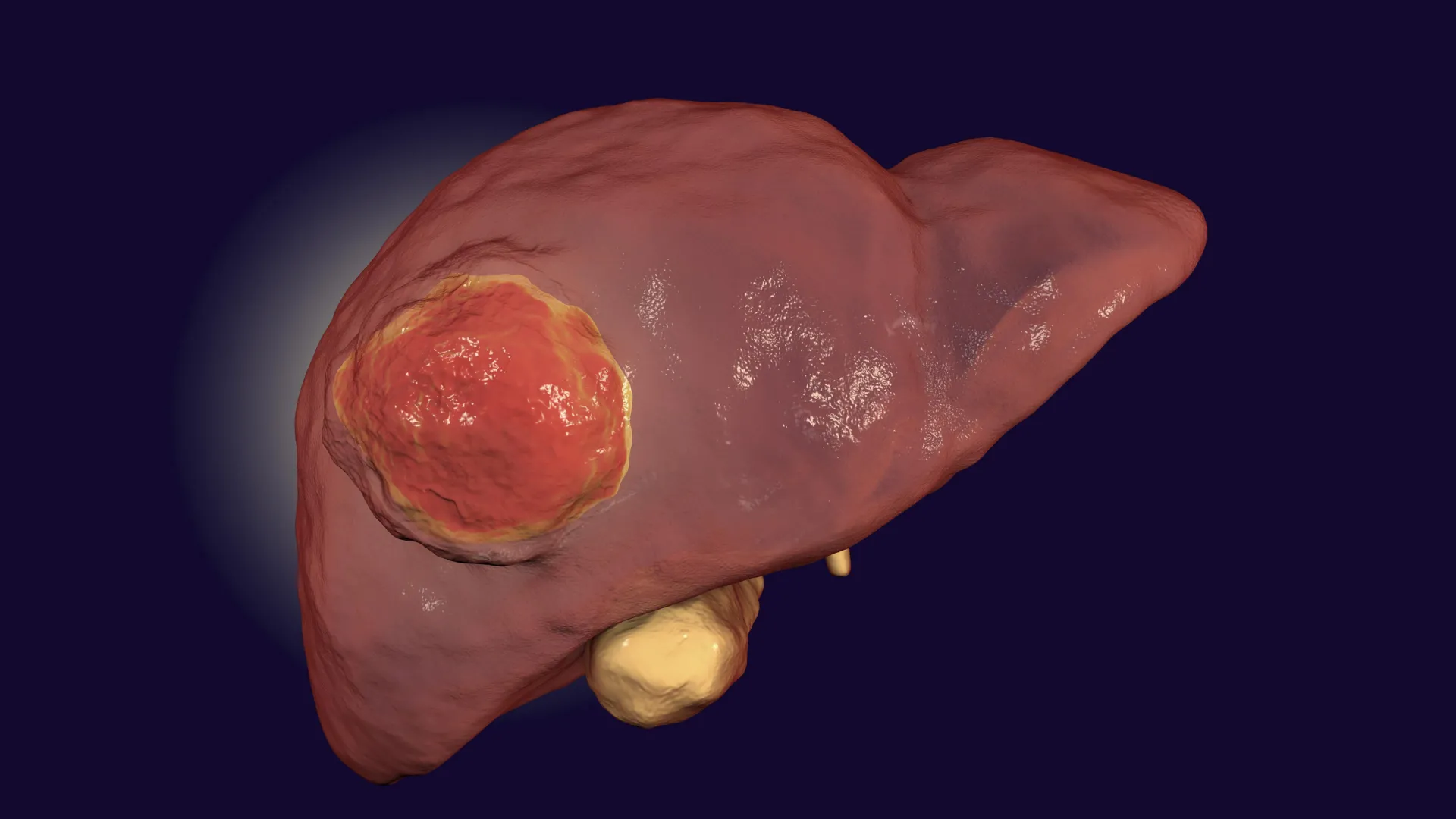
In the high-stakes landscape of oncology, few diseases present as daunting a challenge as fibrolamellar carcinoma (FLC). This rare and aggressive form of liver cancer, which disproportionately strikes children and young adults, has long been a "black box" for medical researchers. Characterized by its resilience against traditional therapies and its tendency to evade the body’s internal defense systems, FLC has historically offered patients limited options and, consequently, a bleak prognosis.
However, a breakthrough study published in the journal Gastroenterology has unveiled a potential turning point. Researchers have identified a mechanism by which these tumors effectively "quarantine" the body’s immune system, preventing it from attacking malignant cells. More importantly, the team has identified an FDA-approved drug—already in use for other conditions—that may be the key to dismantling this defensive wall.
The Challenge of the "Invisible" Tumor
Fibrolamellar carcinoma represents approximately 2% of all liver cancer cases worldwide. Because it often presents no symptoms until it has metastasized to other parts of the body, the disease is frequently detected at an advanced stage. Unlike more common hepatocellular carcinomas, FLC lacks a standard cure, leaving clinicians to rely on surgery or systemic therapies that often fail to produce durable results.
For years, the scientific community has looked toward immunotherapy—specifically immune checkpoint inhibitors—as a potential solution. These treatments are designed to "release the brakes" on the immune system, allowing T cells to identify and eradicate cancer cells. While these therapies have revolutionized the treatment of melanoma, lung cancer, and kidney cancer, they have consistently underperformed against FLC. The reasons for this failure have remained largely anecdotal until now.
Unmasking the Tumor Microenvironment
To understand why T cells fail to engage with FLC, researchers utilized a cutting-edge technique known as single-nucleus transcriptomics. This advanced molecular imaging allows scientists to isolate the nucleus of individual cells within tumor tissue, providing a high-resolution map of which genes are active in every cell.
"It wasn’t until we were able to use this technology that the picture of the tumor microenvironment began to clear up for us," explains Andreas Stephanou, a co-first author on the study and a Cornell graduate student.
The data revealed that FLC tumors are not just passive masses of malignant cells; they are active architects of their own environment. The research team discovered that the tumors manipulate surrounding cells to create a physical and chemical barrier that prevents immune T cells from ever reaching the cancer. This phenomenon, known as T-cell exclusion, effectively renders the immune system’s most powerful soldiers useless, as they are diverted and trapped in the tumor’s outer periphery, unable to infiltrate the core where the cancer is most vulnerable.
The Role of Fibrous Bands and Stellate Cells
The name "fibrolamellar" is derived from the distinct, thick fibrous bands that run through the tumors, a hallmark of this cancer. For decades, the exact role these bands played in the cancer’s progression remained a mystery. The new study finally sheds light on their function.
The research indicates that these bands are manufactured by "stellate cells"—normal liver cells that have been hijacked and re-programmed by the cancer. Once corrupted, these stellate cells release fibrous proteins that build the characteristic bands. However, their role is not merely structural. Through single-cell technology, the researchers observed that these altered stellate cells act as a command center, sending chemical signals to nearby T cells that essentially "lure" them away from the cancer cells and toward the fibrous bands. Once the T cells reach these areas, they become trapped, unable to navigate the dense, signaling-rich environment to reach the malignant core.
A Repurposed Solution: The AMD3100 Discovery
Faced with this discovery, the research team, led by Praveen Sethupathy, professor of physiological genomics at Cornell, and Dr. Venu Pillarisetty, a surgical oncologist at the University of Washington, began to search for a way to interrupt this signaling.
The solution was found in AMD3100, an FDA-approved drug currently used to treat other medical conditions. By applying this compound to slices of patient tumor tissue, the researchers were able to block the inhibitory signals being sent to the T cells. The results were striking: the T cells were no longer diverted to the fibrous bands but were instead guided back into the center of the tumors.
When the researchers combined AMD3100 with traditional immune checkpoint inhibitors, they observed a significant increase in T-cell activation and, crucially, a measurable rise in tumor cell death. This dual-action approach—clearing the path and then empowering the immune system—appears to be the "missing link" in treating this stubborn malignancy.
Official Responses and Scientific Context
The study represents a collaborative effort between top-tier research institutions, including Cornell’s College of Veterinary Medicine and the University of Washington.
"Our results provide among the first indications of why a type of immunotherapy called immune checkpoint inhibition hasn’t worked well in these patients," said Sethupathy. "And even if this particular drug isn’t the end-all-be-all, it teaches us that this T-cell exclusion phenomenon is an important one to tackle in fibrolamellar carcinoma."
The clinical significance of this study is bolstered by the fact that AMD3100 is already approved for human use. In the world of drug development, this is a massive advantage. "A compelling feature of this work is that AMD3100 is already FDA-approved, which can reduce risks and potentially speed up timelines for clinical trials in fibrolamellar carcinoma," Sethupathy added.
Implications for Future Clinical Trials
The research team is now actively seeking liver cancer specialists and clinical partners to transition these findings from the laboratory to the bedside. The goal is to launch human clinical trials that will test the safety and efficacy of combining AMD3100 with immune checkpoint inhibitors for FLC patients.
The implications of this study extend beyond fibrolamellar carcinoma. The mechanism of T-cell exclusion is suspected to be a primary reason why other "cold" or resistant cancers—such as pancreatic, prostate, and certain brain cancers—fail to respond to modern immunotherapy. By proving that a drug can successfully re-engineer the tumor microenvironment to allow immune access, the researchers have provided a blueprint that could potentially be applied to a wider range of solid tumors.
Conclusion: A New Frontier in Oncology
The fight against fibrolamellar carcinoma has historically been defined by frustration and limited progress. However, the integration of single-nucleus transcriptomics and a targeted approach to tumor microenvironment manipulation has opened a new, evidence-based pathway for treatment.
While clinical trials remain the necessary next step, the discovery that the "shield" protecting these tumors can be dismantled offers a glimmer of hope for patients and their families. As the medical community moves toward an era of personalized medicine, the ability to repurpose existing drugs to solve the complex riddles of cancer biology stands as a testament to the power of modern genomic research. For those affected by FLC, this study represents more than just data; it represents a tangible move toward a future where this aggressive cancer may finally be met with an effective, life-saving response.
The study was supported by funding from the Fibrolamellar Cancer Foundation. Co-first authors of the study were Jason Carter and Lindsey Dickerson of the University of Washington and Andreas Stephanou of Cornell University. Bo Shui, a senior research associate in the Sethupathy laboratory, also contributed significantly to the research.