Introduction: A New Horizon in Immunotherapy
Classical Hodgkin’s lymphoma (cHL) has long been regarded as a success story in modern oncology. For the majority of adolescents and young adults diagnosed with the disease, frontline chemotherapy regimens offer a high probability of long-term remission. However, beneath these encouraging statistics lies a clinical challenge that continues to vex hematologists: the subset of patients whose disease proves refractory to initial treatment or who experience aggressive relapse.
Dr. Shelby Sloan, a distinguished postdoctoral fellow at The Ohio State University, is working to change this narrative. Supported by foundational research grants, Dr. Sloan is pioneering a novel chimeric antigen receptor (CAR) T-cell therapy designed to dismantle the biological "shield" that allows cHL cells to evade the body’s natural defenses. By targeting not only the tumor cells themselves but also the immunosuppressive environment surrounding them, Dr. Sloan’s research offers a promising blueprint for the next generation of lymphoma care.
The Clinical Challenge: Why Standard Care Sometimes Fails
To understand the significance of Dr. Sloan’s work, one must first understand the nature of the Hodgkin’s lymphoma microenvironment. cHL is characterized by the presence of Reed-Sternberg cells, which are surrounded by a complex web of immune cells.
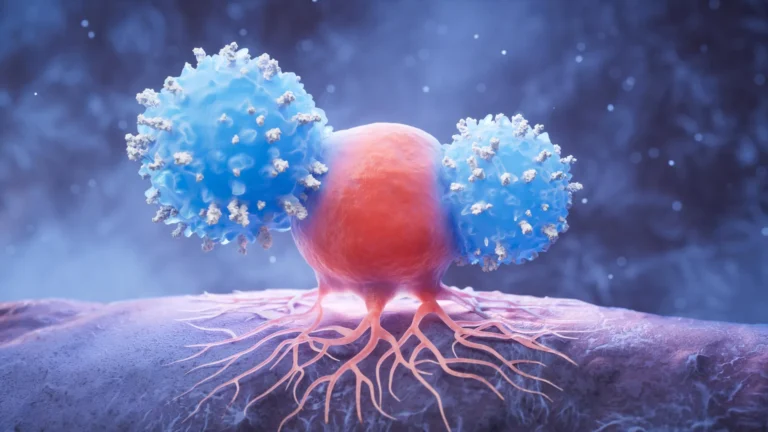
In a healthy immune system, T-cells act as sentinels, identifying and neutralizing malignant threats. However, in the context of cHL, the tumor microenvironment is often "hijacked." The tumor recruits and modifies neighboring immune cells to create an immunosuppressive barrier. This "shield" effectively renders the tumor invisible to the patient’s own immune system and inhibits the efficacy of traditional therapies.
"These defective immune cells surrounding the tumor block the body’s natural immune response and hinder their ability to eliminate the cancer cells," Dr. Sloan explains. "We believe that by targeting both cell types with our engineered T-cell therapy, we can effectively remove this immunosuppressive shield, granting our CAR T-cells the access they need to eradicate the malignancy."
Chronology of Research and Development
Foundations at The Ohio State University
Dr. Sloan’s trajectory in oncology began with her rigorous graduate training at The Ohio State University. During this formative period, she developed a deep fascination with the intersection of immunology and hematology. Her early work focused on the mechanisms of immune exhaustion—a state where T-cells become dysfunctional after prolonged exposure to tumor antigens.
The Shift to Targeted Engineering
Following the completion of her doctorate, Dr. Sloan transitioned into her current role as a postdoctoral fellow. This phase of her career marked a pivot from observing immune failure to actively engineering solutions. By utilizing the modular nature of CAR T-cell therapy—where T-cells are harvested from a patient, genetically reprogrammed to recognize specific tumor markers, and re-infused—Dr. Sloan began testing multi-target designs.
Current Status
Currently, the project is in the preclinical evaluation stage. Dr. Sloan and her team are refining the receptor design to ensure high specificity for the target proteins found on both the cHL cells and the immunosuppressive accessory cells. The goal is to move toward clinical trials that could offer a life-saving alternative for patients who have exhausted all other treatment options.
Supporting Data: The Mechanics of the "Shield"
The efficacy of Dr. Sloan’s proposed therapy rests on the dual-targeting strategy. Traditional CAR T-cell therapies often focus on a single antigen expressed on the surface of the cancer cell. However, if the tumor is protected by a layer of "bystander" immune cells, even the most potent CAR T-cells may struggle to penetrate the tumor mass.
Comparative Analysis of Therapeutic Approaches
| Therapy Type | Target | Limitation |
|---|---|---|
| Standard Chemotherapy | Rapidly dividing cells | Off-target toxicity, resistance |
| Conventional CAR-T | Tumor antigen only | Immune evasion, limited penetration |
| Sloan’s Dual-Targeting | Tumor + Suppressive Cells | Overcomes evasion and improves infiltration |
Data from preliminary models suggest that by neutralizing the immunosuppressive cells, the "access rate" of the engineered T-cells into the tumor core increases significantly. This finding is critical for patients whose lymphomas have developed resistance to standard checkpoint inhibitors or salvage chemotherapy.
Official Perspective: The Vision for Personalized Medicine
Dr. Sloan’s research is not merely a technical exercise in genetic engineering; it is part of a broader shift toward personalized, precision medicine. She posits that the future of oncology lies in "harnessing the power of the body’s naturally evolved cancer detection and elimination tactics."
"If we can understand why the immune system has failed to detect and eliminate lymphomas," Dr. Sloan notes, "we can engineer personalized targeted therapies to enhance or retrain the immune system to recognize cancer cells."
This perspective aligns with the growing sentiment among oncologists that the "one-size-fits-all" approach to cancer treatment is rapidly becoming obsolete. Instead, the field is moving toward a model where therapies are tailored to the unique immunological landscape of the individual patient’s tumor.
Implications: A New Standard of Care?
The implications of a successful trial for this therapy would be profound. For the subset of patients with refractory or relapsed classical Hodgkin’s lymphoma, the prognosis has historically been difficult. Introducing a therapy that can dismantle the tumor’s protective microenvironment could potentially turn a terminal diagnosis into a manageable or even curable condition.
Expanding the Research Program
Beyond the immediate development of the therapy, Dr. Sloan is focused on building a robust clinical research program. By securing foundation support, she aims to create a framework that can foster further innovation in lymphoma care. This program will serve as a hub for training the next generation of scientists and clinicians dedicated to the same goal: improving outcomes for young people living with lymphoma.
Broadening the Scope
While the current focus is on cHL, the principles of Dr. Sloan’s work could theoretically be applied to other malignancies. Many solid tumors and lymphomas share the characteristic of an immunosuppressive microenvironment. If the dual-targeting CAR T-cell strategy proves successful in clinical trials for Hodgkin’s, it may provide a platform for developing similar treatments for a variety of other cancer types.
Conclusion: The Path Ahead
As Dr. Sloan looks toward the future, her optimism is rooted in the tangible potential of cellular and targeted immunotherapies. The road from the laboratory bench to the bedside is long and fraught with regulatory and scientific challenges, yet the work being done at The Ohio State University represents a critical step forward.
For the young patients currently navigating the uncertainty of a lymphoma diagnosis, researchers like Dr. Sloan offer more than just data; they offer the promise of innovation. By retuning the immune system and reclaiming the body’s ability to fight cancer, we are witnessing the dawn of a new era in lymphoma treatment—one where the "shield" of the tumor is no longer an insurmountable barrier, but a target that can be overcome.
As the scientific community watches the progress of this research, one thing remains clear: the marriage of advanced immunology and clinical commitment is the most potent weapon we have in the fight against cancer. Dr. Shelby Sloan’s work serves as a beacon of progress, illuminating a path toward a future where no patient is left behind by their disease.