






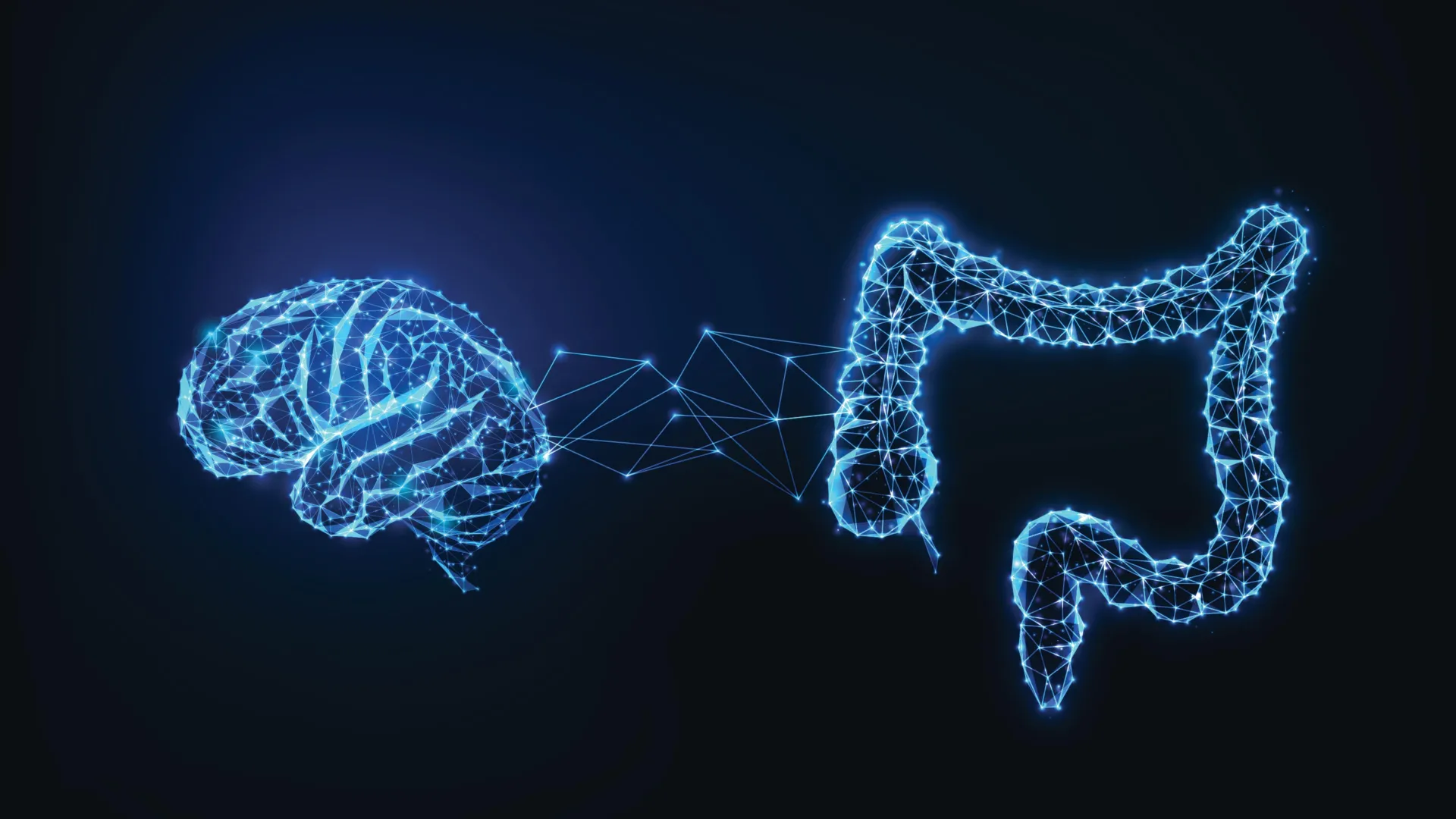
For decades, the prevailing scientific understanding of hunger was largely caloric: if the body requires energy, the brain signals a need for food. However, this model failed to explain why organisms—from the humble fruit fly to complex mammals—often bypass easily accessible energy sources like sugar in favor of protein-rich alternatives when their physiological balance is off.
New research, published on May 21 in the journal Science, has unveiled a sophisticated, previously unknown communication network that allows the gut to act as a sensory "command center." This system does not merely measure energy intake; it identifies specific nutritional deficits and dictates behavioral shifts to correct them. The study, led by Director SUH Seong-Bae of the Center for Microbiome-Body-Brain Physiology at the Institute for Basic Science (IBS) in South Korea, offers a paradigm-shifting look at how the gut dictates dietary choices.
The Biological Imperative: Beyond Caloric Intake
At the core of human and animal physiology is the requirement for essential amino acids—the fundamental building blocks of protein. Unlike other nutrients, these cannot be synthesized by the body and must be acquired through diet. While the body’s "hunger" for calories is well-documented, the mechanism by which an animal "knows" it is specifically deficient in protein has long remained a biological mystery.
Director SUH and his colleagues from Seoul National University and Ewha Womans University set out to map this mystery. Their research confirms that the gut is far from a passive digestive vessel; it is an active sensory organ that monitors the chemical landscape of the digestive tract and communicates directly with the brain to recalibrate dietary preferences.
Chronology of the Discovery: From Fruit Flies to Mammals
The path to this discovery was paved through a multi-year investigation using the fruit fly (Drosophila melanogaster) as a model organism. Because fruit flies share fundamental neurological pathways with humans, they provide an ideal template for mapping complex feeding behaviors.
Phase 1: Mapping the Neural Circuitry
By utilizing advanced brain imaging, behavioral assays, and genetic manipulation, the research team identified a peptide hormone called CNMa. The team observed that when fruit flies were subjected to a protein-deficient diet, specialized cells in the intestine began secreting this hormone.
The researchers discovered that this process operates on a dual-track system:
- The Rapid Response: CNMa triggers enteric neurons located directly in the gut, which fire signals along a dedicated neural pathway to the brain. This allows for an almost instantaneous behavioral adjustment.
- The Sustained Response: CNMa also enters the bloodstream as a circulating hormone. By traveling through the body, it reaches the brain more slowly, acting as a "long-term signal" to ensure that the animal remains motivated to seek out protein until the deficiency is resolved.
Phase 2: Behavioral Shifts and Sugar Suppression
One of the most striking aspects of the study was the observed shift in food preference. The research revealed that the CNMa signaling pathway does not just increase the urge to eat; it explicitly modulates the brain’s perception of different nutrient types.
When the gut detects a protein deficiency, the resulting signal suppresses activity in a group of brain neurons known as DH44 neurons, which are typically responsible for sugar sensitivity. By "turning down the volume" on the brain’s desire for carbohydrates, the body effectively steers the animal toward protein-rich sources. This suggests a hierarchical decision-making process where the body prioritizes survival-critical nutrients over immediate energy.
Phase 3: The Microbiome Connection
Perhaps most intriguingly, the study highlighted the role of the microbiome. The team found that fruit flies with disrupted or absent gut bacteria exhibited an overactive response in their amino acid-seeking neurons. This implies that the microbiome acts as a moderator or "tuner" for the gut-brain axis, suggesting that an unbalanced gut flora may lead to distorted nutritional signaling and, by extension, disordered eating habits.
Phase 4: Validating in Mammalian Models
To determine if these findings held significance for higher-order animals, the team conducted experiments on mice. They found that protein-deprived mice displayed the same, strong preference for amino acids as the fruit flies.
Crucially, the team tested these mice against the known protein-sensing hormone FGF21. It was previously assumed that FGF21 was the primary driver of protein appetite in mammals. However, the study revealed that even mice lacking FGF21 continued to show an intense drive for protein, suggesting that the newly discovered CNMa pathway is a fundamental, evolutionary ancient mechanism that likely works in tandem with—or perhaps even independently of—previously known systems.
Supporting Data and Technical Insights
The rigor of the study is supported by the distinct separation of neural and hormonal signals. In behavioral tests, the scientists observed that the speed at which the flies changed their feeding behavior could not be explained by slow-moving endocrine signals alone, necessitating the existence of the direct neural link they discovered.
Furthermore, the suppression of DH44 neurons provides a concrete neurobiological explanation for the "protein-seeking" behavior. By mapping the connectivity between the gut’s endocrine cells and the specific clusters of brain cells, the team provided a visual and chemical map of how a nutritional deficit is translated into an action plan.
Official Perspectives: Redefining the Gut-Brain Axis
Director SUH Seong-Bae, reflecting on the study’s implications, stated: "Our study shows that the gut is not simply a digestive organ, but an active sensory system that continuously monitors nutritional state and directly guides behavioral decisions."
This statement challenges the traditional view of the brain as the sole decision-maker in appetite. Instead, it positions the gut as a sensory gatekeeper, informing the brain of internal needs that the brain might otherwise be unaware of.
The team emphasized that their research demonstrates a high level of "nutritional intelligence." Animals do not simply default to "more food" when they are missing a specific nutrient; they perform a targeted search. This sophisticated, selective appetite management is an evolutionary adaptation that prevents wasting energy on low-value foods during periods of physiological stress.
Implications for Obesity and Eating Disorders
The implications of these findings extend far beyond basic biology. In the modern world, where the food environment is characterized by high-calorie, low-nutrient processed items, the gut-brain axis is often subjected to conflicting signals.
Therapeutic Potential
Current pharmacological approaches to obesity and metabolic syndrome often focus on the brain’s reward centers or general satiety hormones. However, as Director SUH noted, "Most current obesity and appetite-control drugs rely on gut hormone signaling, yet we still know relatively little about how naturally produced gut signals influence the brain and behavior."
By identifying the CNMa pathway, scientists have uncovered a potential new target for therapeutic intervention. If researchers can modulate the sensitivity of these gut-brain pathways, it may be possible to treat metabolic disorders by helping the brain "correctly interpret" the body’s actual nutritional status.
Understanding Eating Disorders
The discovery of the microbiome’s role in this pathway also offers a new lens through which to view eating disorders. If gut bacteria are involved in the regulation of nutrient-seeking neurons, it is possible that dysbiosis (an imbalance in gut microbes) could contribute to the intense cravings or food aversions seen in conditions like anorexia or binge eating disorder. By understanding how the gut "talks" to the brain, medical professionals may one day be able to use probiotic or microbiome-targeted therapies to help stabilize a patient’s nutritional drive.
Conclusion: A New Frontier in Metabolic Science
The study published in Science represents a significant leap forward in our understanding of the biological drivers of hunger. By demonstrating that the gut acts as an intelligent sensor capable of influencing neural circuits to prioritize essential nutrients, the researchers have opened a new chapter in metabolic research.
As the scientific community begins to further explore the role of CNMa and similar peptide hormones, the hope is that these findings will translate into more effective treatments for the complex, global challenges of obesity and metabolic disease. What is clear is that our dietary choices are not merely a matter of willpower; they are the result of a sophisticated, continuous dialogue between our gut and our brain—a conversation that we are only just beginning to translate.