In the high-stakes landscape of oncology, few challenges are as persistent as the elusive nature of Epstein-Barr virus (EBV)-associated lymphomas. These aggressive malignancies have long frustrated clinicians, often evading the most sophisticated immune-based therapies currently in the medical arsenal. However, a new frontier in research is emerging, led by Dr. Herman Van Besien, an Oliver W. Press, MD, PhD Memorial Fellow at Weill Medical College of Cornell University. His work represents a pivotal shift in how we approach the intersection of virology, immunology, and oncology, offering a beacon of hope for patients who have historically lacked viable treatment options.
Main Facts: The Challenge of the "Invisible" Virus
At the core of Dr. Van Besien’s research is a fundamental biological hurdle. Modern immunotherapy—specifically treatments designed to train the immune system to recognize and destroy cancer cells—relies on the presence of identifiable markers. In many EBV-related lymphomas, these markers are "hidden."
"Many EBV-related lymphomas do not express enough viral markers for immune-based therapies, which are currently one of the most effective treatment options," Dr. Van Besien explains.
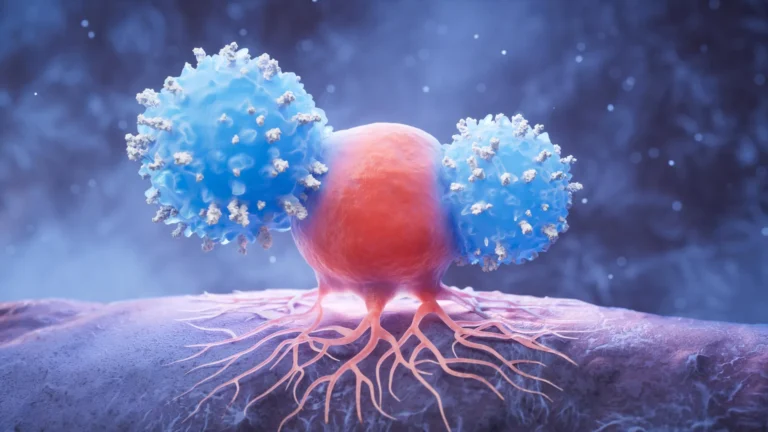
The cancer cells effectively "go dark," hiding from the body’s natural surveillance systems. Dr. Van Besien’s project aims to force these cells to reveal themselves. By "reactivating" the viral markers that have been silenced, his team is working to make the lymphoma cells visible once more to the immune system. The implications are profound: if the immune system can "see" the cancer, it can be directed to destroy it with surgical precision, potentially sparing patients from the systemic toxicity of traditional, broad-spectrum chemotherapy.
Chronology: A Path Shaped by Legacy and Innovation
Dr. Van Besien’s trajectory into the field of hematology-oncology was not merely a career choice; it was a calling forged by environment and observation. Growing up as the child of two physicians, he was exposed early to the gravity and the beauty of the doctor-patient relationship.
The Formative Years
Witnessing his parents’ enduring compassion for their patients left an indelible mark on him. It instilled in him the understanding that medicine is as much about human connection as it is about scientific rigor. As he moved through his academic career, he found himself increasingly drawn to the complexity of the human immune system.
The Rise of Immunotherapy
Dr. Van Besien’s medical school and residency years coincided with a transformative era in cancer care. Immunotherapy had moved from the fringes of research into the mainstream, solidifying itself as the "fourth pillar" of cancer therapy—alongside surgery, radiation, and chemotherapy. It was during this period that he developed a profound clinical interest in adoptive T-cell therapy.
The Mentoring Foundation
His research is currently anchored by his participation in the Lymphoma Scientific Research Mentoring Program. This fellowship has been instrumental in refining his research focus and bolstering his career path as a physician-scientist. For Dr. Van Besien, the support of the foundation has been a critical bridge between academic ambition and clinical reality.
Supporting Data: The Mechanics of EBV-Directed T-Cell Therapy
To understand the magnitude of Dr. Van Besien’s work, one must understand the mechanics of the "viral-directed" approach. EBV is a common virus, but in certain contexts, it can trigger the malignant transformation of B-cells.
The current research focuses on two main components:
- Viral Reactivation: Using pharmacological agents to induce the expression of latent viral antigens within the tumor cell.
- Cellular Targeting: Once the antigens are on the surface of the tumor cell, specially engineered T-cells—which are trained to recognize these specific viral signatures—are deployed.
This "dual-strike" approach effectively turns the virus against the cancer. Instead of the immune system searching for generic cancer markers, it is laser-focused on the viral fingerprints that the researchers have forced the cell to display. This minimizes "off-target" effects, where healthy cells might be damaged, a common complaint in traditional chemotherapy protocols.
Official Responses: A Vision for the Future of Oncology
Dr. Van Besien’s perspective on his role as a physician-scientist is defined by a sense of measured optimism. He views his laboratory work as a bridge to the clinical ward, where the true test of innovation takes place.
"I continue to be inspired by the clever and creative ways that we are using the immune system to fight lymphoma," he says. "I am confident that we will continue to refine these therapies in ways that will eventually lead to a cure."
His goal is to move from the bench to the bedside, translating his laboratory successes into formal clinical trials. By studying his viral-directed cellular therapies in combination with existing treatments, he hopes to create a synergistic effect—where the whole is significantly more effective than the sum of its parts. His commitment is not just to the data, but to the patients who await these breakthroughs.
Implications: The Potential Shift in Standard of Care
The successful application of Dr. Van Besien’s research could fundamentally alter the standard of care for patients with aggressive lymphomas.
1. Expanding the Eligibility Pool
Currently, many patients are ineligible for T-cell therapies because their tumors do not express the necessary target antigens. By "switching on" these markers, Dr. Van Besien’s approach could expand the pool of eligible patients, providing life-saving options to those who have exhausted all other avenues.
2. De-escalating Toxicity
One of the most promising aspects of this research is the potential to reduce the reliance on highly toxic chemotherapy. Chemotherapy works by attacking all rapidly dividing cells, which leads to the side effects associated with cancer treatment. Targeted, viral-directed cellular therapy promises a "cleaner" approach, preserving the patient’s quality of life during treatment.
3. The Future of Personalized Medicine
This research serves as a template for a new wave of personalized medicine. By analyzing the unique viral landscape of a patient’s tumor and modulating it to suit the treatment, doctors can create highly individualized therapeutic plans.
4. A Model for Physician-Scientists
Dr. Van Besien’s journey also highlights the importance of institutional support in the medical field. By nurturing talent through programs like the Lymphoma Scientific Research Mentoring Program, the medical community ensures that the next generation of researchers can tackle the most complex diseases without being deterred by the long, challenging road of scientific discovery.
Conclusion: Toward a Cure
The work of Dr. Herman Van Besien is a testament to the power of persistence and innovation in the face of medical uncertainty. While the road to curing lymphoma is long and fraught with complexities, the integration of viral-directed cellular therapies offers a promising new direction.
As he continues his tenure at Weill Medical College of Cornell University, the focus remains clear: refine the interaction between the immune system and the virus-driven tumor, prove the efficacy of these therapies in clinical trials, and ultimately, provide a cure where there was once only a chronic, aggressive condition. For the oncology community, and more importantly, for the patients who look toward the future with hope, Dr. Van Besien’s research stands as a shining example of what is possible when deep clinical insight meets groundbreaking scientific exploration.