








In the hyper-competitive landscape of the global beverage industry, few executives can claim to have played a pivotal role in scaling a startup to a billion-dollar valuation. Even fewer choose to walk away from that success to start from scratch. Michael Fedele, however, is not interested in the finish line. After spending nearly a decade helping transform BodyArmor from a niche startup into a juggernaut eventually acquired by Coca-Cola, Fedele identified a glaring gap in the market: the disconnect between what elite athletes actually consume and what the energy drink industry was peddling.
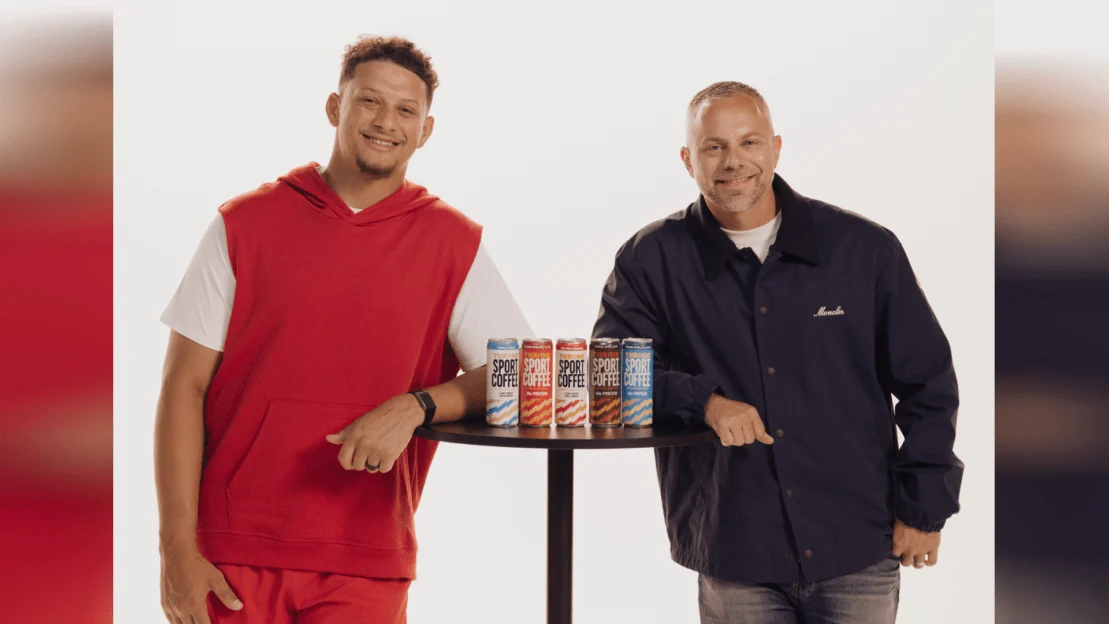
His observation was simple yet profound. While sports nutrition aisles were dominated by neon-colored, high-stimulant concoctions, the actual locker rooms of professional sports were filled with something far more traditional: iced coffee. This realization served as the catalyst for Throne Sport Coffee, a premium, performance-driven beverage brand that has already secured the backing of one of the world’s most influential athletes, Patrick Mahomes.
The Genesis of an Idea: Bridging the Gap
For years, the ready-to-drink (RTD) coffee market was dominated by legacy players offering products that were effectively liquid desserts—glass bottles containing upwards of 300 calories and 46 grams of sugar. For a performance athlete or an active consumer looking for sustained focus, these products were counterproductive.
"I kept asking myself, if so many athletes and active people drink coffee every day, why isn’t there a better option?" Fedele recalls.
Fedele’s tenure at BodyArmor provided him with a masterclass in market disruption. He learned that the most successful products don’t just capture market share; they solve a problem that consumers have been living with, often without realizing it. He saw the "crash" inherent in high-sugar energy drinks and the jittery, synthetic nature of many pre-workout supplements. Throne Sport Coffee was designed to fill that void by offering a clean, purposeful alternative.
Chronology: From Concept to Retail Dominance
The journey of Throne Sport Coffee is a study in calculated growth and strategic partnerships.
- The Observation Phase: During his time in the industry, Fedele spent countless hours observing the habits of professional athletes. Whether in training facilities, during travel, or between media appearances, coffee remained the constant, preferred energy source for elite performers.
- The Formulation Phase: Fedele set out to build a "better-for-you" coffee. The resulting formula features 150 milligrams of natural caffeine—a deliberate choice to provide cognitive and physical stimulation without the spike-and-crash associated with higher-stimulant drinks. The product line branched into two streams: a protein-packed latte (10 grams of protein from ultra-filtered, lactose-free milk) and a light, dairy-free cold brew.
- The Mahomes Partnership: When Fedele first approached Patrick Mahomes with the concept, he expected little more than a polite nod or casual feedback. Instead, he found an active partner. Mahomes, who consumes coffee multiple times a day, recognized the product’s utility immediately. He transitioned from a mere investor to the brand’s second-largest shareholder and a key strategic consultant.
- Market Entry and Scaling: Throne Sport Coffee moved quickly from concept to reality, hitting retail shelves with precision. Today, the product is available in nearly 20,000 retail locations, including major national chains like Whole Foods, CVS, and Kroger.
Supporting Data: Why "Purposeful" Energy Wins
The success of Throne Sport Coffee is not rooted in flashy marketing, but in the specific nutritional profile of the product. The modern consumer is increasingly literate regarding labels, and the trend toward "clean" energy is accelerating.
The Nutritional Breakdown
- Caffeine Content: By capping caffeine at 150mg, Throne avoids the "stimulant overload" that can lead to tachycardia or anxiety in sensitive users. This dosage is scientifically recognized as an optimal level for sustained alertness and improved athletic performance.
- Sugar and Calories: By stripping away the excessive sugar typical of commercial lattes, the brand has positioned itself as a metabolic-friendly option.
- Protein Integration: The use of ultra-filtered, lactose-free milk addresses a significant pain point for fitness enthusiasts who want the satiety of protein without the digestive discomfort associated with standard dairy.
These choices are deliberate. Fedele emphasizes that "everything in the product is purposeful." By focusing on performance-minded consumers rather than the general "mass market," the brand has cultivated a loyal base that views their coffee as part of their training regimen rather than just a morning indulgence.
Official Perspectives: The "Better Fuel" Philosophy
The company’s latest marketing push, titled "Better Fuel for Every You," marks a departure from traditional sports marketing. Rather than focusing on the "heroic" aspect of sports—the game-winning touchdown or the championship ring—the campaign explores the multifaceted lives of its users.
"In this world, one version of you doesn’t cut it," Fedele notes. "No one is just one thing. Everyone is multifaceted."
Patrick Mahomes serves as the perfect avatar for this message. The campaign highlights his various roles: father, businessman, investor, teammate, and mentor. By showcasing the quarterback navigating these diverse responsibilities, the brand positions itself as the fuel that sustains him across all facets of his life, not just on the gridiron.
The Investor’s Commitment
The level of involvement from Patrick Mahomes is rare in the current celebrity-investment climate. Fedele shares a telling anecdote about the quarterback’s commitment: After a grueling morning rehab session in Kansas City, Mahomes flew to Los Angeles to appear on stage at a major beverage conference. Following the presentation, he spent hours in private meetings with retail partners, flying back that same evening to ensure he could return to his rehab schedule the next morning. This is not a "hands-off" celebrity endorsement; it is a collaborative business venture.
The Digital-First Strategy
While many beverage brands burn millions on high-budget television commercials, Throne Sport Coffee has adopted a lean, digital-first strategy. The goal is to build an organic, loyal following.
"Our goal is driving awareness that Throne Sport Coffee exists, educating people that we’re a better-for-you ready-to-drink coffee, and ultimately getting them to try it," Fedele says.
This involves a heavy focus on experiential marketing. The team is a constant presence at 5K races, pickleball tournaments, and community fitness events. By placing the product directly into the hands of the consumer, they collect real-time data and anecdotal feedback that is then channeled back into product development. As Fedele explains, "Our formula today isn’t the same formula we launched with. You put products into the market, you listen to consumer feedback, and you continue to get better."
Implications for the Beverage Industry
The rise of Throne Sport Coffee signals a broader shift in the beverage industry. Consumers are moving away from the "energy drink" category, which is increasingly viewed as artificial and unhealthy, and toward "functional performance beverages."
The End of the "Crash"
The widespread consumer rejection of the "sugar-crash" cycle has paved the way for brands that prioritize sustained energy. By focusing on the source of the caffeine—natural beans—and balancing it with protein or clean ingredients, Throne is setting a new benchmark for what consumers expect from a "grab-and-go" beverage.
The Future of Athlete-Founders
The model established by Fedele and Mahomes suggests that the future of athlete partnerships lies in equity and operational involvement. As athletes become more sophisticated about their own brands and the businesses they support, they are moving away from traditional licensing deals and toward active ownership. This creates a more authentic brand story, which, in turn, resonates more deeply with a skeptical, socially-connected consumer base.
Conclusion: Lessons for the Next Generation of Entrepreneurs
Michael Fedele’s advice to aspiring founders is simple yet demanding: "Believe in what you’re doing. Everybody will think you’re crazy at first, and hopefully you are. Continue to push, persevere, take consumer feedback, continue to get better, and do everything you can to make your business a success."
As Throne Sport Coffee continues to expand its footprint, the brand serves as a case study in how to pivot from a successful past to a transformative future. By identifying an overlooked consumer need, partnering with someone who embodies that need, and remaining obsessively focused on product quality and consumer feedback, Fedele is building more than just a company—he is redefining the daily ritual of energy for the modern, high-performance individual. Whether it is a professional athlete or a busy parent, the promise of "better fuel" is a universal language that continues to drive the brand’s rapid ascent.