










Introduction: The PR Balancing Act
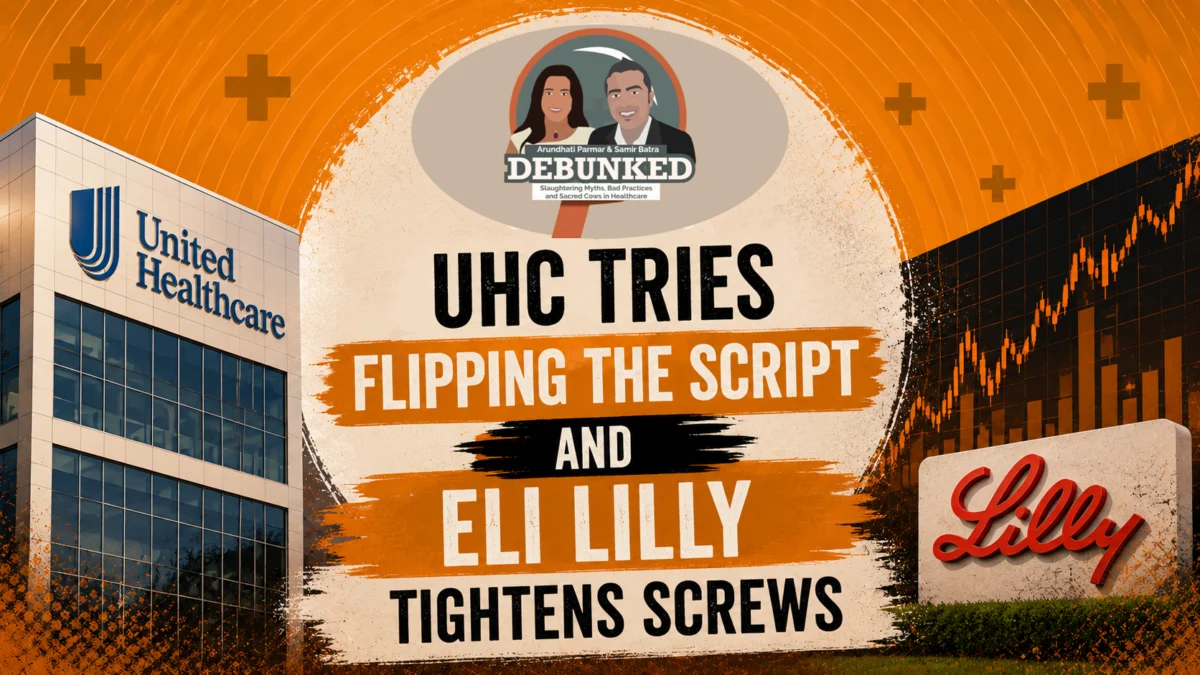
In an era defined by public skepticism toward healthcare behemoths, UnitedHealth Group (UHG) recently executed a calculated maneuver: opening the doors of its headquarters to a curated cohort of journalists and industry influencers. The objective was clear—to humanize the nation’s largest health insurer and offer a glimpse into the technological infrastructure powering its vast Optum subsidiary. However, as MedCity News Editor-in-Chief Arundhati Parmar noted on the latest episode of the DeBunked podcast, the experience left many observers questioning whether the initiative was a genuine step toward transparency or merely a carefully orchestrated exercise in corporate image management.
The Chronology of a Visit
Last month, UHG hosted a series of briefings at its Minnesota headquarters, featuring high-level executives including UnitedHealthcare CEO Tim Noel and Optum CEO Dr. Patrick Conway. The event was framed as a dialogue—a departure from the company’s traditionally opaque public relations strategy.
For the participants, the reception was characterized by "Midwestern warmth and hospitality." The company showcased an array of technological tools designed to reduce administrative friction—the notorious "red tape" that patients and providers frequently cite as a primary source of frustration. Yet, beneath the veneer of hospitality, the atmosphere was thick with the weight of the company’s ongoing legal and regulatory battles. While the access provided was unprecedented, the narrative control remained firmly in the hands of UHG leadership.
The "One-Off" Narrative: A Disconnect from Reality
The most contentious element of the HQ visit was the executive response to the mounting, systemic criticism facing the company. Throughout the event, UHG leadership characterized the litany of lawsuits and public outcry as "disagreements" or "one-offs."
This rhetoric, repeated by everyone from the C-suite to frontline call-center agents, signaled a troubling disconnect. As Parmar observed, labeling widespread litigation from investors, bereaved families, whistleblowers, and entire health systems as mere "disagreements" ignores the profound, tangible pain driving these conflicts. When a corporation of UHG’s size—which manages the coverage for millions and controls significant portions of the pharmacy benefit management (PBM) market—dismisses systemic failure as a series of isolated incidents, it risks alienating the very stakeholders it is attempting to win over.
Supporting Data: The Scope of the Storm
The "vitriol" directed at UnitedHealth Group is not born in a vacuum. It is supported by a growing mountain of evidence and legal filings that paint a picture of a system under immense strain.
The Legal Landscape
UHG is currently navigating a complex web of legal challenges, including:
- Whistleblower Allegations: Former employees have consistently raised concerns regarding internal practices, particularly regarding billing and coverage denials.
- Systemic Litigation: From health systems fighting over reimbursement rates to states investigating claims processing, the scope of the legal pressure suggests that the issues are structural, not anecdotal.
- Public Sentiment: The "moral bankruptcy" of the current healthcare system has become a recurring theme in public discourse, with viral reports of denied claims and surprise billing fueling a populist movement against the status quo.
The PBM Controversy
Central to this tension is OptumRx, UHG’s pharmacy benefit management arm. PBMs act as the middleman in the pharmaceutical supply chain, and critics argue they have become opaque profit centers that inflate drug costs for consumers while squeezing independent pharmacies. The scrutiny on PBMs has reached a fever pitch, leading to increased calls for legislative intervention.
Legislative Implications: The Break Up Big Medicine Act
The growing frustration with UHG and similar entities has manifested in concrete legislative action. In February, a bipartisan pair of U.S. Senators—Elizabeth Warren (D-MA) and Josh Hawley (R-MO)—introduced the "Break Up Big Medicine Act."
The bill represents a significant escalation in the federal government’s approach to healthcare consolidation. By targeting the vertical integration that defines companies like UHG—where the insurer, the provider, and the pharmacy benefit manager are all under one corporate roof—the legislation aims to dismantle potential conflicts of interest. The bill is not merely a suggestion; it is a direct challenge to the business model that has allowed UHG to dominate the market. If passed, it would force a structural reorganization that could redefine the American healthcare landscape.
Lilly and the 340B Crackdown: A Parallel Struggle
The DeBunked podcast discussion also pivoted to a separate but equally significant development in the healthcare sector: Eli Lilly’s recent attempt to tighten controls on the 340B drug pricing program.
The 340B program is a federal initiative requiring pharmaceutical manufacturers to provide outpatient drugs to eligible health organizations at significantly reduced prices. Lilly’s recent decision to restrict these discounts for hospitals that fail to provide specific claims data has sparked outrage. Hospitals argue that Lilly is overstepping its legal bounds by imposing proprietary compliance requirements on a federal program. This move highlights a broader trend: pharmaceutical companies and insurers are increasingly using data mandates as a tool to control costs, often at the expense of hospital systems already struggling with razor-thin margins.
Official Responses and Corporate Strategy
When pressed on these issues during the HQ visit, UHG executives maintained a disciplined, if guarded, posture. The strategy of "transparency" appeared limited to showcasing operational efficiency, while strategic or ethical questions regarding market dominance were deflected.
This approach—providing access without candor—is a classic crisis management tactic. By focusing on the "how" (the technology and the operational scale), the company hopes to distract from the "why" (the profit motives and the systemic outcomes). However, as the legal and political pressure mounts, this strategy may prove insufficient. Stakeholders are no longer satisfied with tours of high-tech facilities; they are demanding accountability for the downstream effects of the company’s business decisions.
Analyzing the "Big Medicine" Model
The fundamental question remains: Is it possible for a company as large as UnitedHealth Group to provide care effectively, or does its sheer size inherently prioritize profit over patient outcomes?
The "Big Medicine" model relies on economies of scale. In theory, this should lower costs and improve coordination. In practice, however, critics argue that it has created a "black box" where patients are treated as data points and providers are constrained by algorithmic decision-making.
The Argument for Deconsolidation
The push for breaking up these entities is driven by the belief that competition is the only cure for the current stagnation in healthcare quality. Proponents of the Warren-Hawley bill argue that:
- Conflicts of Interest: When an insurer owns the PBM and the pharmacy, the incentive to prioritize the lowest-cost or highest-quality medication for the patient is undermined by the incentive to maximize internal profit margins.
- Market Power: Excessive consolidation allows these companies to dictate terms to health systems, effectively neutralizing the leverage that hospitals and independent physicians have to advocate for better patient care.
- Innovation Stagnation: Monopolistic tendencies often stifle true innovation, as the company focuses on protecting its market share rather than developing new, patient-centric delivery models.
Conclusion: The Path Forward
The visit to UHG’s headquarters was a missed opportunity for the company to truly reset its relationship with the public. While the hospitality was noted, the refusal to engage in a candid discussion about the systemic issues—the "one-offs" that are actually symptoms of a larger disease—suggests that the company is not yet ready to address its most critical challenge: its reputation.
As the industry watches the progress of the "Break Up Big Medicine Act" and observes the fallout from actions like Lilly’s 340B policy, the environment for healthcare giants is becoming increasingly hostile. Transparency is more than just opening doors; it is about acknowledging the failures of the status quo and demonstrating a willingness to change the underlying incentives that lead to "real pain and frustration."
Until UnitedHealth Group and its peers move beyond the scripted PR offensive and engage in the uncomfortable, necessary work of institutional reform, the gap between their corporate narrative and the public’s reality will only continue to widen. The era of the "unquestioned giant" is coming to an end, and the coming years will likely be defined by a fundamental restructuring of how healthcare is owned, operated, and regulated in the United States.
For a deeper dive into these issues and to hear the full analysis from industry experts, watch the latest episode of the DeBunked podcast here.