










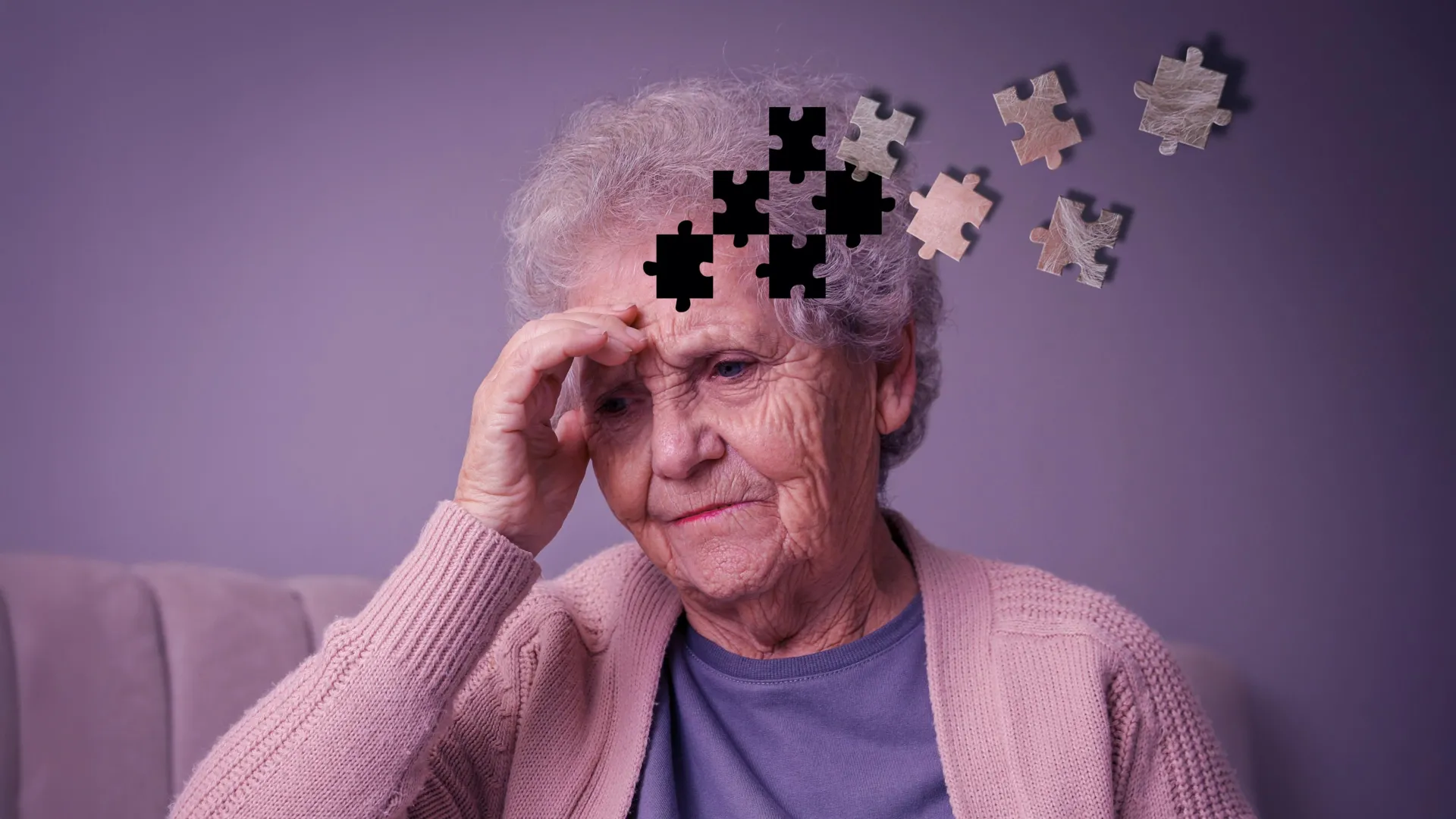
For decades, the medical community has recognized a stark reality: women are disproportionately affected by Alzheimer’s disease and other forms of dementia, accounting for nearly two-thirds of all cases in the United States. While longer life expectancy has long been cited as a primary driver of this disparity, groundbreaking research from the University of California San Diego School of Medicine suggests the story is far more complex.
A study published on May 19, 2026, in the journal Biology of Sex Differences indicates that the path to cognitive decline is not uniform. The findings suggest that common, modifiable risk factors—ranging from cardiovascular health to metabolic markers—exert a significantly more potent negative influence on the female brain than on the male brain. This discovery potentially shifts the paradigm of dementia prevention, moving away from "one-size-fits-all" public health strategies toward a model of precision medicine that accounts for biological and social sex differences.
The Core Findings: A Shift in Understanding
The study, led by Dr. Megan Fitzhugh and Dr. Judy Pa, analyzed data from more than 17,000 middle-aged and older adults drawn from the Health and Retirement Study. By evaluating 13 established dementia risk factors, the researchers sought to determine whether the impact of these factors on cognitive performance varied by sex.
The results were revelatory. While both men and women share many of the same risk factors—such as hypertension, physical inactivity, and obesity—the "cognitive cost" of these conditions is not equitable. The researchers found that cardiovascular and metabolic conditions, including high blood pressure and elevated body mass index (BMI), showed a much steeper correlation with cognitive decline in women. Even in cases where a condition was statistically more prevalent in men—such as diabetes or hearing loss—the associated decline in cognitive scores was more pronounced in women.
"Looking beyond which risk factors are most common, we found that some have a disproportionately larger impact on women’s cognition," explained Dr. Megan Fitzhugh, assistant professor of neurosciences at UC San Diego and the study’s lead author. "This suggests that prevention efforts may be more effective if they are tailored not just to risk factor prevalence, but to how strongly each factor affects cognition in women versus men."
Chronology of the Research and Methodology
The journey to this discovery involved a rigorous multi-year analysis of longitudinal data. The researchers focused on 13 modifiable variables, including education level, smoking, alcohol consumption, depression, and cardiometabolic health.
- Data Synthesis: Utilizing the Health and Retirement Study (HRS), a nationally representative cohort, the team mapped the interplay between these lifestyle factors and cognitive test scores over time.
- Comparative Analysis: The team performed a sex-stratified analysis to identify divergence in how these variables affected brain health.
- Validation: The researchers cross-referenced these associations against existing neuroimaging and clinical outcomes to confirm that the findings were not merely statistical anomalies but reflective of biological trends.
- Publication: The final study, titled "Sex differences in modifiable risk factors of dementia and their associations with cognition," was peer-reviewed and published in May 2026, providing a new framework for clinical intervention.
Supporting Data: The Anatomy of Risk
To understand the gravity of the situation, one must look at the specific indicators identified by the research team.
Cardiometabolic Health
Hypertension remains one of the most critical modifiable risks. In this study, approximately six out of ten participants in both groups presented with high blood pressure. However, the data revealed that women with hypertension exhibited a more significant decrease in cognitive performance compared to their male counterparts with the same condition. Similarly, while both sexes displayed average BMIs in the overweight-to-obese range, the correlation between high BMI and cognitive impairment was stronger in women.
Educational Attainment
Education is a well-documented "cognitive reserve" factor. The study noted that women in the cohort had, on average, slightly lower educational attainment than men. Given that lower education levels are a recognized risk factor for cognitive decline, this structural inequality contributes to the overall population-level burden on women.
The "Hidden" Risks
The study also highlighted that the presence of conditions like diabetes and hearing loss—which are historically more prevalent in men—carry a higher cognitive "penalty" for women. This suggests that the female brain may have a different threshold for resilience when faced with these systemic stressors.
Official Responses and Expert Perspectives
The implications of the UC San Diego study have resonated throughout the neurological and public health communities. Dr. Judy Pa, the study’s senior author and a professor of neurosciences, emphasized that this research is a call to action for the scientific community to integrate sex-based analysis into every facet of disease research.
"Sex differences are profoundly overlooked among many leading causes of death like Alzheimer’s, heart disease, and cancer," Dr. Pa stated. "By ignoring these differences, we are essentially operating in the dark when it comes to effective, personalized care."
The research team suggests that these findings provide a roadmap for "precision prevention." Instead of generic guidelines that apply equally to all, medical professionals may soon be able to prioritize specific interventions for female patients—such as more aggressive blood pressure management or targeted programs for depression and physical activity—which could theoretically yield higher returns in protecting long-term brain health.
Implications for Future Medicine
The transition toward precision medicine represents the most significant implication of these findings. If healthcare providers can identify that a specific patient’s cardiovascular health poses a heightened risk to her cognitive future, they can adjust clinical protocols accordingly.
1. Targeted Clinical Interventions
Physicians are encouraged to look at "brain health" as an integrated component of general practice. For women, this may involve earlier screenings for metabolic syndrome and more proactive management of hypertension, recognizing that these are not just heart-health issues, but cognitive-health issues.
2. Addressing Social and Biological Drivers
The researchers acknowledge that the "why" remains under investigation. Are hormonal fluctuations during menopause, variations in the X-chromosome, or systemic inequalities in healthcare access responsible for these differences? The team suggests that a combination of these factors is likely at play. Future research will need to untangle these variables to refine intervention strategies further.
3. Policy and Prevention
Public health messaging often treats dementia as a universal threat. This study argues for a pivot. Awareness campaigns should emphasize that for women, managing depression, increasing physical activity, and stabilizing metabolic markers are not just suggestions—they are vital, gender-specific defenses against a disease that disproportionately affects them.
Conclusion: A New Frontier in Brain Health
The work conducted by Dr. Fitzhugh, Dr. Pa, and their colleagues at UC San Diego marks a pivotal moment in the fight against dementia. By deconstructing the monolithic approach to Alzheimer’s research and acknowledging that the female brain faces a unique set of challenges, the scientific community is moving closer to meaningful, actionable solutions.
While the exact biological mechanisms—be they hormonal, genetic, or environmental—require further study, the message to the public is clear: the path to cognitive longevity is not the same for everyone. As we move forward, the integration of sex as a key variable in clinical research will be essential. Ultimately, the goal remains universal—to reduce the burden of dementia for all—but the strategy to get there must be as nuanced as the human biology it seeks to protect.
Funding for this landmark study was provided by the National Institute on Aging (RF1AG088811, PI: Pa) and the Alzheimer’s Association (SAGA23-1141238, PI: Pa). The authors have reported no conflicts of interest, underscoring the transparency and independence of their findings.