










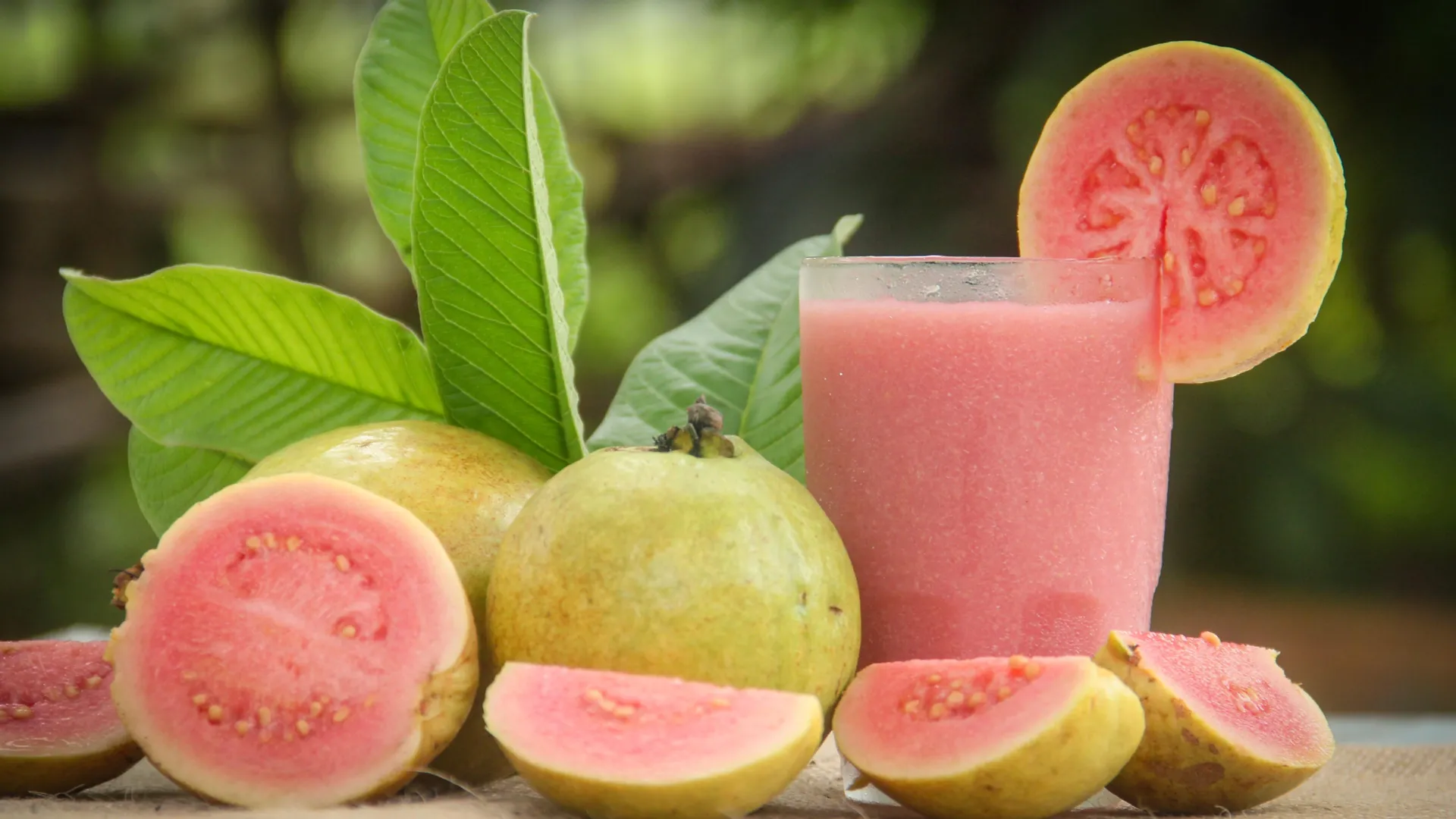
A simple, affordable, and culturally accessible solution to one of the world’s most persistent nutritional challenges may be growing right in our own backyards. A new comprehensive review published in the open-access journal BMJ Nutrition Prevention & Health suggests that incorporating guava juice into the diets of women and teenage girls—particularly those in low- and middle-income countries—could offer a transformative, low-cost strategy to reduce the prevalence of iron-deficiency anemia.
By pairing this vitamin-C-rich tropical fruit with standard iron supplementation, researchers have observed significant improvements in hemoglobin levels, providing a potential roadmap for public health officials seeking to tackle a condition that affects millions of lives globally.
Main Facts: The Intersection of Nutrition and Public Health
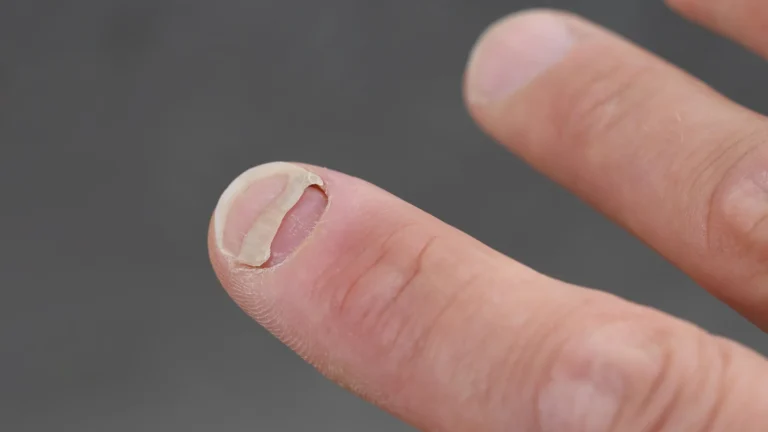
Iron-deficiency anemia remains a critical public health concern, particularly among vulnerable populations such as pregnant women and adolescent girls in developing regions. The condition is far more than a simple blood count issue; it is a systemic health crisis. When the body lacks sufficient iron to produce enough healthy red blood cells, the consequences are profound: chronic fatigue, physical weakness, impaired cognitive function, and diminished concentration.
For pregnant women, the risks are magnified, including higher rates of pregnancy complications and increased vulnerability to life-threatening illnesses. For adolescent girls, the condition can impede physical development and academic performance, creating a cycle of inequality that persists into adulthood.
The new research highlights a promising biological synergy: the relationship between vitamin C and non-heme iron. Guava, a fruit often overlooked in global nutritional discourse, is a powerhouse of nutrition. It contains up to four times more vitamin C per 100 grams than oranges. Vitamin C acts as a vital catalyst in the digestive tract, facilitating the body’s ability to absorb iron from plant-based foods, which is often less efficient than absorbing iron from animal sources. Beyond its vitamin C content, guava is a dense source of vitamin A, folate, dietary fiber, and trace amounts of iron, making it an ideal candidate for nutritional intervention.
Chronology: From Local Observation to Systematic Analysis
The journey of this discovery began not in a high-tech laboratory, but through small-scale, localized studies in Indonesia. Over the past two decades, various researchers in the region observed that subjects who regularly consumed guava juice demonstrated higher-than-average hemoglobin levels. However, these findings were fragmented, existing as individual reports rather than a cohesive body of scientific evidence.
To synthesize these disparate findings, the research team conducted a rigorous review of literature published in English since the year 2000. Their selection criteria were strict, identifying 17 eligible studies that could provide a clear picture of guava’s impact. Of these, 15 were quasi-experimental in design, while two were randomized controlled trials.
The research timeline of the studies reviewed covered a diverse range of participants:
- Early 2000s to Present: The studies focused heavily on the efficacy of dietary supplementation in regions where anemia is endemic.
- Participant Demographics: Six studies concentrated on teenage girls, while 11 focused on pregnant women.
- Meta-Analysis Phase: The researchers combined data from 12 of these studies, totaling 235 participants, to calculate the average hemoglobin increase.
This chronological progression of data shows a clear trend: the integration of dietary interventions—specifically guava juice—consistently resulted in positive hematological outcomes across diverse age groups and physiological states.
Supporting Data: The Power of the Combination Approach
The core of the study’s findings lies in the direct comparison between standard iron supplementation and a combined approach. Five of the analyzed studies directly compared a cohort taking only iron supplements against a cohort receiving both iron supplements and guava juice. Each group comprised 102 participants, providing a robust enough sample to draw meaningful statistical comparisons.
Key Quantitative Findings:
- The Combined Effect: Participants who consumed guava juice alongside their iron supplements saw an average hemoglobin increase of 1.29 g/dl compared to those taking iron alone.
- Aggregate Gains: Across all 12 studies analyzed, the average hemoglobin increase was 1.71 g/dl.
- Demographic Breakdown:
- Teenage Girls: Showed an average increase of 1.52 g/dl.
- Pregnant Women: Experienced a slightly higher average increase of 1.84 g/dl.
These numbers are not merely statistical artifacts; they represent a significant clinical shift. According to the research team, an increase of 1–2 g/dl is often sufficient to transition an individual from a state of "mild or moderate anemia" to a "non-anemic" category. This transition is directly linked to improved quality of life, including better cognitive focus, higher energy levels, and increased productivity.
Official Responses and Scientific Perspective
The implications of this study have drawn interest from leaders in global nutrition, though the response remains characterized by "cautious optimism."
Professor Sumantra Ray, chief scientist and executive director of the NNEdPro Global Institute for Food, Nutrition and Health, noted that the findings align perfectly with established biochemical principles. "This study builds on the established role of dietary sources high in vitamin C to enhance iron absorption and improve the effectiveness of iron supplementation," Ray stated.
However, Professor Ray was quick to temper enthusiasm with necessary scientific rigor. He emphasized that the current evidence base, while promising, is not yet sufficient to overhaul existing medical protocols. "Quasi-experimental research, the wide variation in study design, small sample sizes, and limited length of follow-up mean that caution is required when interpreting the findings," he added.
The researchers themselves have been transparent about the limitations of their review. The fact that all 17 studies originated in Indonesia suggests a need for broader geographical testing to ensure the results are replicable across different genetic and dietary backgrounds. Furthermore, the variability in the types of guava used, the dosage of juice, and the duration of the intervention makes it difficult to prescribe a universal "guava juice protocol" at this stage.
Implications: A Path Toward Sustainable Health
Despite the need for further, more controlled trials, the potential for integrating guava juice into public health initiatives is immense. The United Nations’ Decade of Action on Nutrition (2016–2025) emphasizes the importance of dietary diversification and the use of locally sourced, nutrient-rich foods. Guava juice fits this mandate perfectly.
Why It Could Work:
- Affordability: In many low-to-middle-income nations, pharmaceuticals are expensive and supply chains are unreliable. Guava is often indigenous and inexpensive, making it a sustainable, community-level resource.
- Cultural Acceptance: Unlike synthetic iron tablets, which are sometimes rejected due to side effects or cultural skepticism, guava is widely accepted and already integrated into the diets of many Asian populations.
- Scalability: If integrated into school nutrition programs or antenatal care packages, the cost of implementing a "guava strategy" would be a fraction of the cost of importing massive quantities of synthetic iron supplements.
The Road Ahead
To transition from a promising study to a standard health intervention, several steps must occur. First, public health agencies must invest in larger, randomized, long-term clinical trials to determine the optimal therapeutic dose and the ideal duration of the intervention.
Second, there is a need to standardize the preparation and delivery of the juice. Because vitamin C is heat-sensitive and degrades over time, the method of preparation (e.g., fresh-pressed vs. preserved) is critical to maintaining its efficacy. Finally, governments must consider strengthening local supply chains for guava, ensuring that communities have reliable access to high-quality fruit.
In conclusion, while we cannot yet label guava juice a "cure-all" or a replacement for professional medical treatment for severe anemia, it represents a low-risk, high-reward opportunity to improve the nutritional status of millions. By bridging the gap between local agricultural bounty and clinical nutrition, we may find that the solution to one of our oldest health problems has been growing in the sunshine all along.