








In the fast-paced world of modern fitness, we are often obsessed with metrics that are visible in the mirror: bicep circumference, body fat percentage, or the number on the scale. However, according to leading health experts and physiologists, there is a far more subtle—yet significantly more predictive—metric that determines your biological age and long-term health: your grip strength.
Often overlooked in routine workout regimens, grip strength is a fundamental indicator of overall physiological health. It serves as a gateway to understanding your body’s musculoskeletal integrity, neurological health, and resilience against age-related decline.
The Science of the Squeeze: Why Grip Matters
Grip strength is not merely about how tightly you can clasp a hand or hold a heavy bag; it is a clinical marker for total-body vitality. Researchers have long utilized handgrip dynamometry as a reliable proxy for muscle mass and nutritional status.
"Grip strength is one of the simplest yet most powerful indicators of overall health and longevity, and fortunately, it’s highly trainable," explains Layne Nordquist, Senior Vice President of Fitness at VASA Fitness. "Research has consistently found that individuals with greater grip strength tend to live longer, experience fewer cardiovascular events, and maintain higher levels of functional independence as they age."
The biological implications are profound. Grip strength is a solid predictor of bone density, cognitive acuity, and systemic inflammation levels. Perhaps most importantly, it is a primary defense mechanism against one of the greatest threats to the aging population: falls and subsequent fractures. A strong grip ensures that if you lose your balance, your ability to catch yourself or stabilize your body is significantly heightened.
Chronology of Decline: The Silent Regression
Unlike aerobic capacity, which many athletes actively monitor through heart rate zones, grip strength often experiences a slow, stealthy decline. In most individuals, this process begins in the mid-30s and accelerates as the body enters its 50s and 60s.
This decline is not just about the muscles in the forearm; it reflects a broader reduction in neurological signaling efficiency and systemic protein synthesis. Because the decline is so gradual, most people do not notice it until they struggle with mundane tasks—opening a stubborn jar lid, carrying heavy groceries, or feeling insecure while climbing a flight of stairs. By treating grip strength as a "use it or lose it" component of fitness, we can effectively reverse this decline, regardless of our current age.
Supporting Data: What the Research Tells Us
The link between handgrip strength and mortality is so robust that it has become a staple of geriatric health screenings. Large-scale longitudinal studies, such as the Prospective Urban-Rural Epidemiology (PURE) study, tracked over 140,000 adults across 17 countries. The findings were staggering: for every 5-kilogram decrease in grip strength, there was a significant increase in the risk of all-cause mortality, cardiovascular mortality, and non-cardiovascular mortality.
Experts suggest that grip strength is a window into "muscle quality." Unlike bulk muscle, which can sometimes be deceptive in terms of power, grip strength correlates directly with the body’s ability to handle physical stress. When you grip an object, you are engaging a kinetic chain that involves the fingers, wrists, elbows, and shoulders, all the way to the core. A weak grip often signals a "weak link" in this chain, which can lead to poor posture and inefficient movement patterns.
Expert Insight: Training for Resilience
Layne Nordquist emphasizes that the beauty of grip training lies in its accessibility. "Researchers believe grip strength serves as a powerful indicator of overall muscle quality, physical resilience, and the body’s ability to handle stress over time," he notes. The following four exercises, which can be performed with minimal equipment at home, are designed to restore and fortify grip capacity.
1. The Farmer’s Carry: The Gold Standard for Functional Strength
The Farmer’s Carry is perhaps the most effective exercise for total-body integration. It mimics the functional movement of carrying heavy luggage or shopping bags.
- The Execution: Hold a heavy, challenging weight in each hand. Stand tall with your shoulders back and your core braced. Walk with a steady, controlled gait for a set distance or time.
- The Benefit: Beyond grip, this movement forces the stabilizers of the spine and hips to engage. It is essentially a moving plank that builds "real-world" strength.
2. The Suitcase Carry: Unilateral Mastery
The Suitcase Carry takes the principles of the Farmer’s Carry and adds a layer of instability. By holding a weight on only one side of the body, you force your core to compensate for the imbalance.
- The Execution: Hold a weight in only one hand. Maintain perfect posture, ensuring you do not lean toward the weighted side. Walk for a set duration, then switch sides.
- The Benefit: This is an elite exercise for obliques and spinal stability. It trains the body to remain upright under asymmetrical loads, which is crucial for preventing injuries during daily activities.
3. The Dead Hang: Gravity-Defying Gains
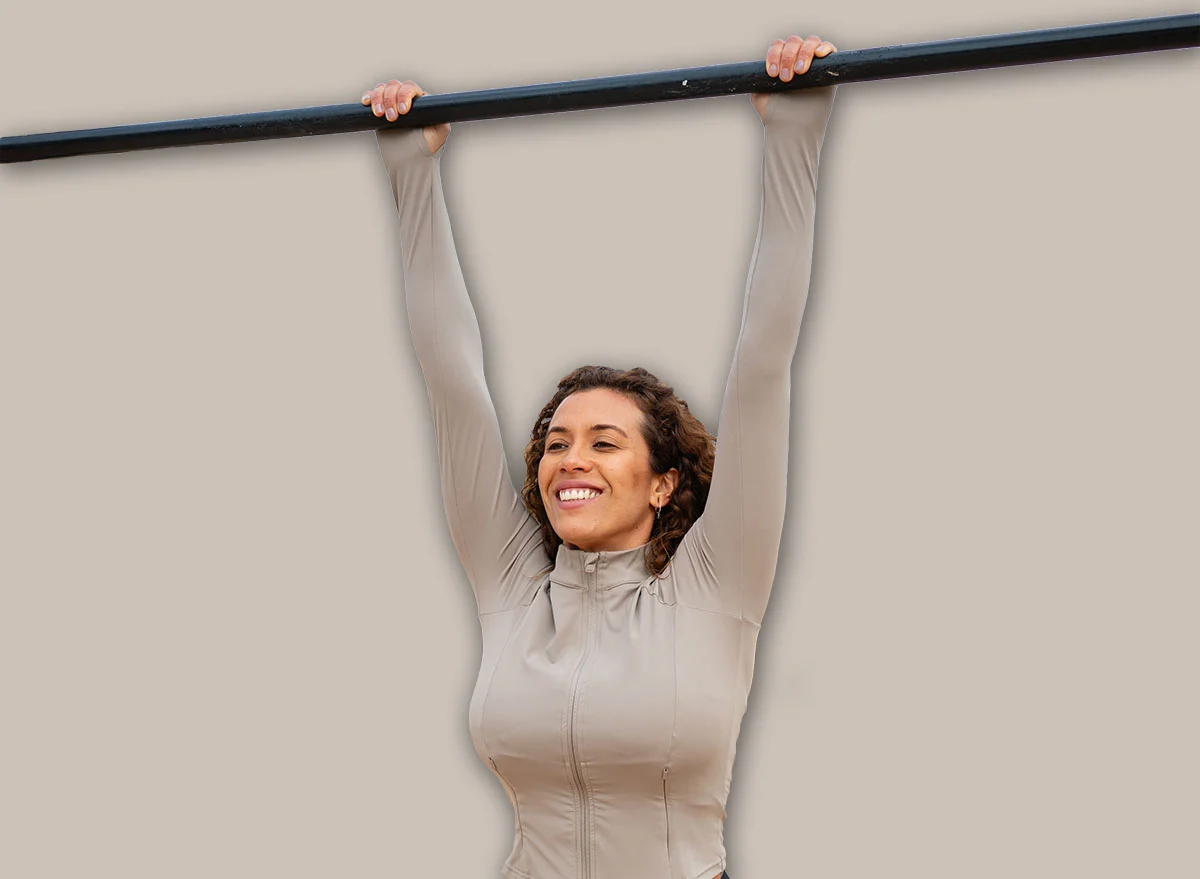
For those with access to a pull-up bar, the Dead Hang is the ultimate test of forearm endurance. It requires no movement other than supporting your own body weight.
- The Execution: Reach up, grab the bar with a firm grip, and lift your feet off the ground. Allow your body to hang completely, keeping your shoulders engaged (don’t let them shrug up to your ears).
- The Benefit: This decompresses the spine and builds significant tendon strength in the hands and fingers. It is a foundational movement for anyone looking to increase their pull-up capacity.
4. The Timed Hang: Pushing Thresholds
Once the basic Dead Hang is mastered, the Timed Hang introduces the element of progressive overload.
- The Execution: Set a timer and aim to hold your position on the bar for as long as possible with good form. Record your times and aim to beat them by 5-10 seconds each week.
- The Benefit: This builds "grip endurance." While the Farmer’s Carry builds explosive and heavy-load strength, the Timed Hang builds the ability to sustain force over time, which is essential for tasks like gardening or prolonged home maintenance.
Implications for Future Health
The shift toward prioritizing grip strength represents a broader movement in preventative medicine: functional longevity. It is no longer enough to be "fit" in the traditional sense; we must be "capable."
By integrating these four exercises into your weekly routine, you are doing more than just building forearms. You are investing in your future independence. A strong grip is the difference between needing assistance in your later years and being able to navigate your environment with confidence.
As we age, the ability to interact with our world—to hold, pull, carry, and stabilize—is what preserves our quality of life. Start small, remain consistent, and remember: the strength of your hand is a direct reflection of the strength of your future. Whether you are a professional athlete or someone looking to maintain their health into their 80s, the message is clear: grab hold of your longevity, literally.