







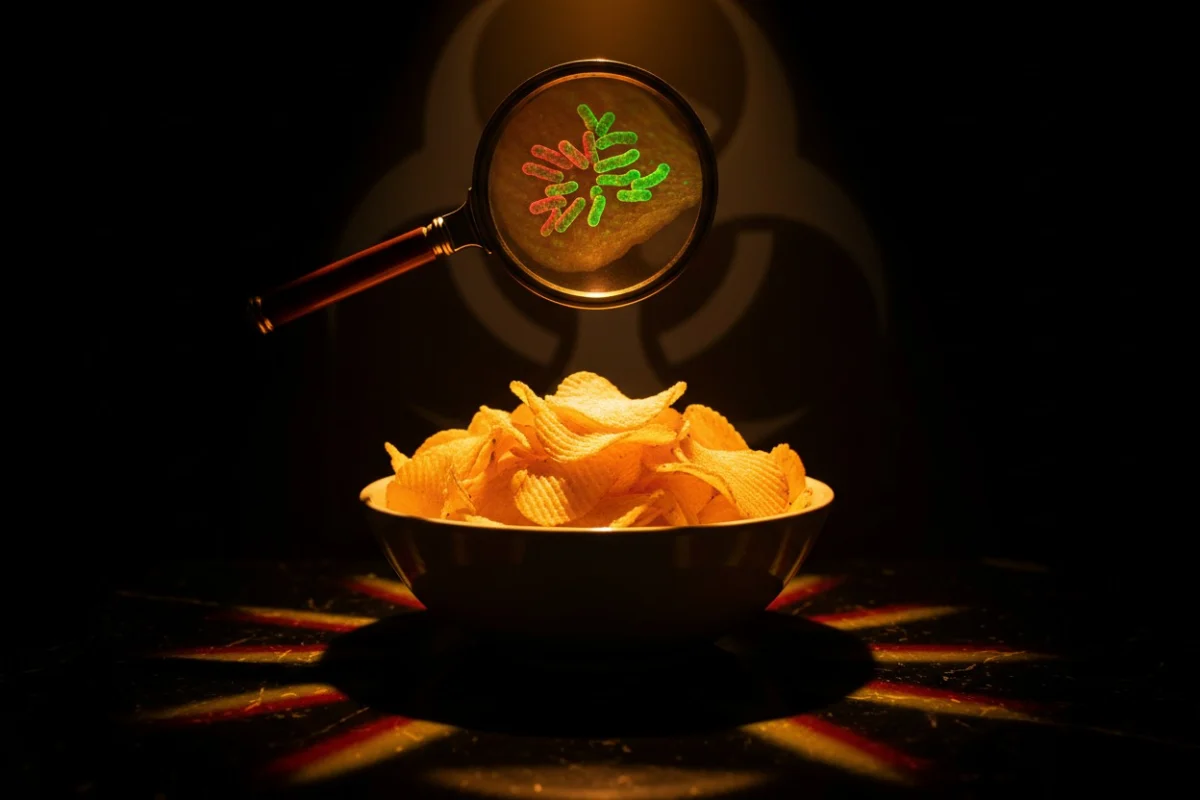
The U.S. Food and Drug Administration (FDA) has officially escalated the voluntary recall of several Zapp’s and Dirty brand potato chip varieties to a Class I designation. This classification represents the agency’s highest level of urgency, reserved for situations where there is a "reasonable probability" that the use of or exposure to a product will cause serious adverse health consequences or death.
While the manufacturer, Pennsylvania-based snack giant Utz Quality Foods, initiated the voluntary withdrawal in early May 2026, the recent regulatory upgrade underscores a deepening concern regarding potential Salmonella contamination linked to specific seasoning blends used during the production process. Although the company maintains that no illnesses have been reported to date, the FDA’s intervention highlights the uncompromising nature of federal oversight when dealing with pathogens in ready-to-eat food supplies.
The Genesis of the Recall: A Chronology of Events
The road to the current Class I designation began with a proactive internal review by Utz Quality Foods. In early May, during a routine audit of supplier documentation and quality control records, the company identified a potential safety breach involving a specific seasoning component.
- Early May 2026: Utz Quality Foods identifies a potential Salmonella risk associated with a third-party seasoning supplier. Despite initial batch testing showing negative results for the pathogen prior to application, the company decides to initiate a voluntary recall of specific Zapp’s and Dirty brand products.
- Mid-May 2026: The recall is formalized through the FDA’s notification system, alerting distributors and retailers to remove the affected lots from store shelves.
- Late June/Early July 2026: After further evaluation of the contamination risk and the scope of distribution, the FDA officially upgrades the recall status to Class I, citing the potential for severe health outcomes if the contaminated products are ingested.
This timeline reflects a standard, albeit high-stakes, process in food safety: manufacturers often identify potential risks through "upstream" record-keeping, even when the final product appears safe to the end consumer.
Understanding the Class I Classification
To the general public, the term "Class I recall" may sound alarming, but it is a specific technical term within the FDA’s regulatory framework. The agency utilizes a three-tier system to manage the severity of product recalls:
- Class I: The most serious category. It applies to products that could cause serious health problems or death.
- Class II: Applies to products that might cause temporary or medically reversible health consequences.
- Class III: Applies to products that are unlikely to cause any adverse health reaction but violate FDA labeling or manufacturing laws.
According to standard food safety literature, such as Wardlaw’s Contemporary Nutrition, a Class I designation is a critical warning. It indicates that the contamination represents an imminent threat to public health. By elevating the Zapp’s and Dirty chip recall to this status, the FDA is signaling that it is not taking any chances with Salmonella, a resilient bacterium that thrives in low-moisture environments—such as the seasoned surfaces of potato chips.
The FDA has been increasingly aggressive with these designations in recent years. This recall follows a pattern of heightened vigilance. In April 2026, the agency issued a Class I recall for over 50,000 cantaloupes distributed by Ayco Farms due to Salmonella concerns. Similarly, in June 2025, a Class I recall was triggered by contaminated tomatoes. These actions suggest a tightening of the regulatory net regarding supply chain transparency and pathogen control in the food industry.
Affected Products: What Consumers Need to Know
The recall encompasses nine distinct varieties of Zapp’s and Dirty brand potato chips. Because the contamination is tied to the seasoning, rather than the potato chips themselves, the recall is limited to specific batches.
Zapp’s Varieties:
- Bayou Blackened Ranch
- Salt and Vinegar
- Big Cheezy
Dirty Brand Varieties:
- Various kettle-cooked flavors (Consumers are urged to consult the full list on the FDA’s official recall portal).
Package Sizes: The affected products range from individual 1.5-ounce snack bags to 8-ounce bags intended for home consumption.
Utz Quality Foods has not released a state-by-state distribution map, primarily because these products are widely distributed across the United States. Consequently, the company is placing the onus of verification on the consumer. Individuals should check the lot codes and "Best-By" dates printed on their packages against the detailed list provided on the official FDA recall notice website.
The Science of the Risk: Salmonella Pathogenicity
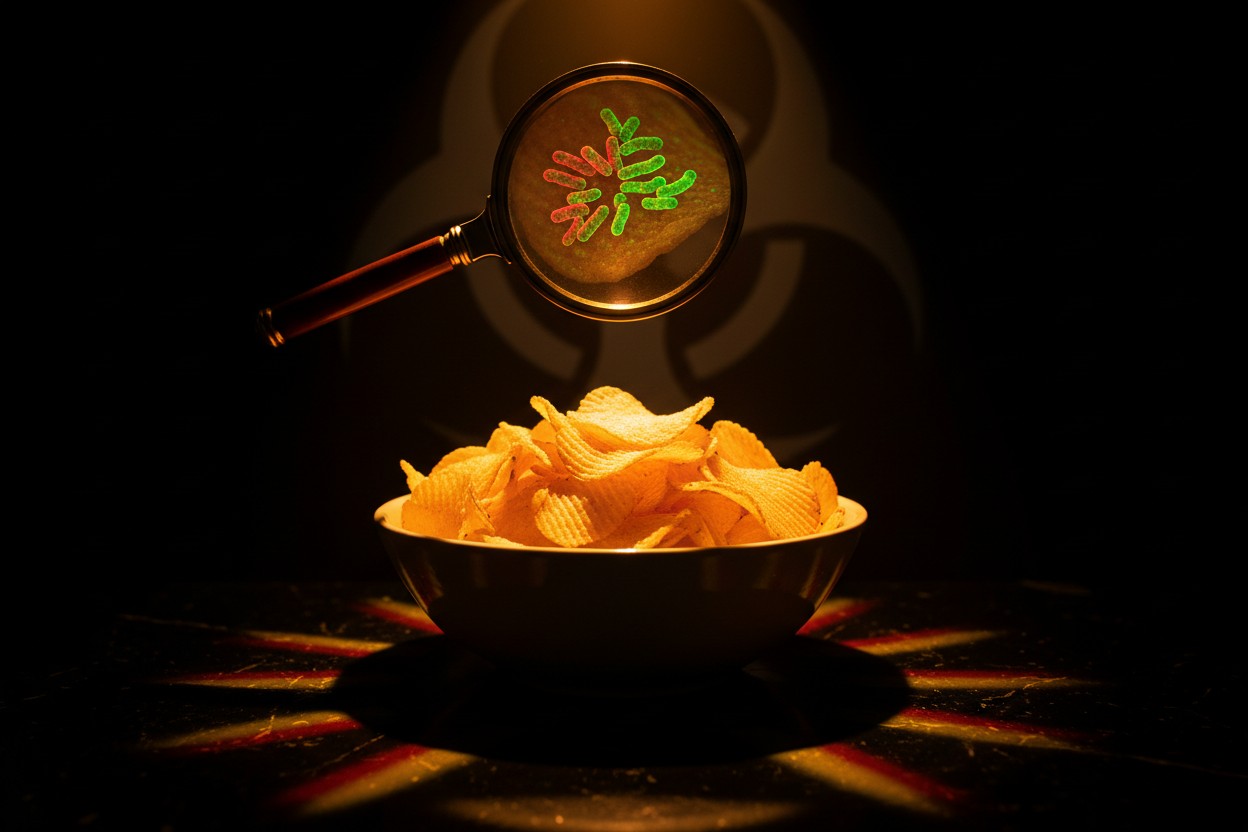
Salmonella remains one of the most common causes of foodborne illness in the United States. It is a group of bacteria that, when ingested, attacks the intestinal lining.
Why It Is Dangerous
While healthy adults may experience a standard bout of food poisoning, Salmonella poses a grave threat to high-risk populations. This includes:
- Young children: Whose immune systems are still developing.
- The elderly: Who may lack the physiological reserves to fight off severe dehydration and infection.
- Immunocompromised individuals: Including those undergoing cancer treatment, transplant recipients, or those with autoimmune disorders.
Symptoms to Monitor
According to the Centers for Disease Control and Prevention (CDC), symptoms typically emerge between six hours and six days after ingestion. These include:
- Acute diarrhea (which may be bloody)
- High fever
- Severe abdominal cramps and pain
- Nausea and vomiting
In severe cases, Salmonella can escape the intestines and enter the bloodstream, leading to arterial infections, endocarditis, or arthritis. This is why the FDA mandates such stringent recall protocols even in the absence of reported illnesses.
Corporate Response and Accountability
Utz Quality Foods has framed the recall as a move made "out of an abundance of caution." In a formal statement, the company clarified that the seasoning batches in question underwent standard testing and returned negative results for Salmonella before they were applied to the chips.
However, the company discovered during a subsequent deep-dive audit of supplier records that there were inconsistencies in the safety reporting of those seasoning components. This decision to recall products that technically "passed" initial testing is an example of the modern "safety-first" approach to food manufacturing. By acting on metadata and supplier record-keeping, companies can prevent potential outbreaks before they register in hospital data.
The company has been clear: this recall is isolated to the nine varieties listed and does not affect the broader portfolio of Zapp’s, Dirty, or Utz brand products.
Consumer Guidance: Steps to Take
If you have these products in your pantry, the FDA and Utz offer clear, non-negotiable instructions:
- Do Not Consume: Do not eat the chips, even if they look, smell, and taste fine. Salmonella is invisible and odorless; it cannot be detected by the human senses.
- Discard or Return: The safest course of action is to discard the product immediately in a sealed trash bag to prevent accidental ingestion by pets or other household members.
- Verify Codes: Visit the FDA recall website to compare your specific bag’s lot code against the list of affected units.
- Contact for Refund: Consumers seeking a refund or clarification can reach the Utz Quality Foods customer service line at 1-877-423-0149. The line is staffed Monday through Friday during standard business hours.
- Report Reactions: If you believe you or a family member has become ill after consuming these products, contact your healthcare provider immediately and report the incident through the FDA’s Safety Reporting Portal.
Implications for the Food Industry
The elevation of this recall to Class I status serves as a reminder of the fragility of the modern food supply chain. As food manufacturers increasingly rely on third-party suppliers for specialized seasonings, flavorings, and additives, the risk of "hidden" contamination grows.
This case highlights a critical shift in how the FDA monitors the industry: it is no longer enough for a final product to test clean. The FDA is now scrutinizing the entire lifecycle of a product, including the supplier’s history and the documentation of raw ingredients. For consumers, this means more frequent recalls—but it also means a more transparent and safer food system in the long run.
As the investigation continues, both the FDA and Utz are expected to release further guidance if new information regarding the source of the contamination becomes available. For now, the focus remains on clearing the shelves and ensuring that consumers remain informed and protected against the potential, if currently theoretical, risk of Salmonella infection.