









In the modern era, the "sitting disease" has become an invisible epidemic. From office cubicles and long-haul commutes to the habitual evening hours spent in front of a television, the average young adult now spends upwards of six hours per day in a sedentary state. While the physical toll of inactivity—such as muscle atrophy and metabolic slowing—is well-documented, new research from the University of Birmingham reveals a more insidious threat: the rapid, silent degradation of vascular function.
However, a groundbreaking study published in the Journal of Physiology offers a promising, diet-based intervention. Researchers have discovered that the consumption of flavanols—naturally occurring compounds found in tea, cocoa, berries, and apples—may act as a biological buffer, protecting blood vessels from the detrimental effects of prolonged sitting.
The Vascular Crisis: Why Inactivity Is Dangerous
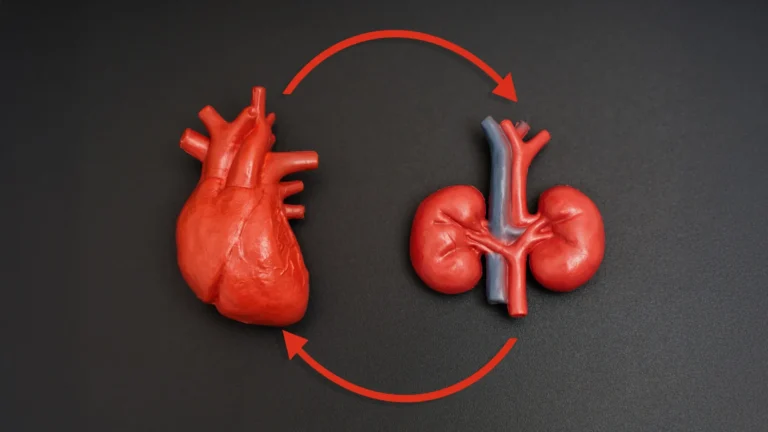
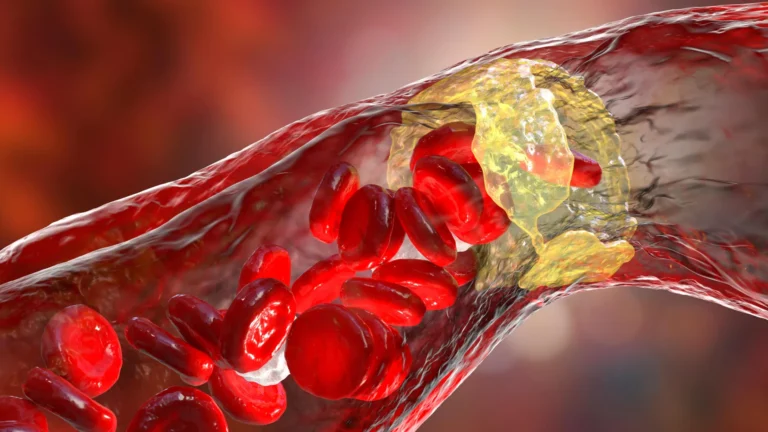
To understand the significance of this discovery, one must first recognize the mechanics of vascular health. The heart and blood vessels form a complex, dynamic system that reacts to movement. When we move, our muscles demand oxygenated blood, which in turn stimulates the endothelium—the thin membrane lining the inside of our blood vessels—to remain flexible and reactive.
Conversely, when we sit for extended periods, blood flow stagnates and shear stress on the vessel walls diminishes. This state of "vascular dormancy" leads to a measurable decline in endothelial function. The primary metric for this, known as brachial Flow-mediated dilatation (FMD), measures how effectively an artery expands to accommodate increased blood flow.
The stakes are alarmingly high. Previous longitudinal research has established that even a 1% decrease in FMD is linked to a 13% increase in the risk of severe cardiovascular events, including heart attacks, strokes, and chronic heart disease. As sedentary lifestyles become the default setting for the working-age population, the cumulative impact on public health is staggering. According to the British Heart Foundation, deaths among working-aged adults in the UK climbed by 18% in 2023 compared to 2019, with the economic burden of cardiovascular disease in the UK estimated at a staggering £29 billion annually.
Chronology of a Clinical Investigation
The study, led by Dr. Catarina Rendeiro and her team at the University of Birmingham, sought to determine if diet could serve as a prophylactic against the "sitting-induced" decline in vascular health. The methodology was precise, designed to isolate the impact of flavanols from other variables.
The Experimental Design
The researchers recruited 40 healthy young men for a controlled trial. To determine if physical fitness levels influenced the body’s reaction to inactivity, the participants were split into two cohorts: 20 individuals with high aerobic fitness and 20 with lower fitness levels.
Each participant underwent a two-hour sitting period, a duration commonly experienced by office workers or travelers. Before the sitting session commenced, participants were administered either a high-flavanol cocoa drink (containing 695 mg of total flavanols) or a low-flavanol placebo drink (containing 5.6 mg).
Measuring the Impact
To ensure accuracy, the research team conducted a series of measurements before and after the two-hour sitting period. These included:
- Flow-mediated dilatation (FMD): Assessing the responsiveness of the brachial artery.
- Blood pressure: Monitoring shifts in diastolic pressure.
- Shear rate and blood flow: Tracking the velocity of blood circulating through the limbs.
- Muscle oxygenation: Observing the efficiency of oxygen delivery to the leg muscles.
Note: The study excluded women to avoid the potential confounding variables associated with estrogen fluctuations during the menstrual cycle, which are known to impact vascular reactivity. The authors explicitly stated that further research is required to determine how these findings apply to the female population.
Supporting Data: The Surprising Resilience of the Body
The findings were both striking and counterintuitive. In the control group—those who consumed the low-flavanol drink—the results were grim. Regardless of their baseline fitness levels, all participants experienced a measurable decline in FMD. Furthermore, these individuals exhibited increased diastolic blood pressure, reduced shear rates, and lower oxygenation in their leg muscles.
The data effectively dismantled the myth that being "fit" provides immunity to the physiological consequences of prolonged sitting. Even those who trained regularly could not escape the vascular impairment caused by two hours of immobility when their diet lacked sufficient flavanols.
However, the experimental group told a different story. Participants who consumed the high-flavanol cocoa drink displayed no significant decline in FMD. Their vascular function remained stable throughout the two-hour window, effectively neutralizing the negative effects of the sedentary period. This study marks the first time science has demonstrated that dietary flavanols can serve as a direct, short-term shield against sitting-induced vascular dysfunction.
Official Responses and Scientific Perspective
The implications of this research are being hailed as a practical breakthrough for public health.
Dr. Catarina Rendeiro, lead author and Assistant Professor in Nutritional Sciences, emphasized the universal nature of the problem. "Whether we are sitting at desks, behind the wheel of a car, on a train, or on the sofa, we all spend a lot of time seated. Even though we are not moving, we are still putting our bodies under stress," she explained. "Finding ways to mitigate the impact of uninterrupted sitting on our vascular system is a critical step in lowering the risk of cardiovascular disease."
Dr. Sam Lucas, Professor of Cerebrovascular, Exercise & Environmental Physiology at the University of Birmingham and co-author, highlighted the significance of the "fitness-agnostic" nature of the results. "Our experiment indicates that higher fitness levels do not prevent the temporary impairment of vascular function induced by sitting when only drinking low-flavanol cocoa," Dr. Lucas noted. "Importantly, after the high-flavanol drink, both fitter and less-fit participants kept their FMD the same as it was before sitting for two hours."
The research indicates that the protective mechanism of flavanols is robust enough to override the body’s typical response to physical inactivity, regardless of the individual’s aerobic capacity.
Implications: A Simple Prescription for Modern Life
For many, the prospect of changing a professional lifestyle that demands hours of desk work is daunting. However, the University of Birmingham team suggests that incorporating flavanols into one’s daily routine is a manageable and highly accessible solution.
Practical Dietary Adjustments
Alessio Daniele, a PhD student and member of the research team, noted that the dietary changes required are far from restrictive. "It is actually quite easy to add high-flavanol foods to your diet," he said. "Cocoa products processed specifically to preserve flavanol levels are widely available in health stores. If cocoa isn’t your preference, common staples like apples, plums, berries, nuts, and both black and green teas are excellent sources."
A Holistic Strategy
While the study confirms that flavanols provide a significant protective effect, the researchers are careful not to frame this as a "cure-all" that justifies constant inactivity. Instead, they propose a multi-layered approach to vascular health.
"Our research shows that consuming high-flavanol foods and drinks during periods spent sitting is a good way to reduce some of the impact of inactivity on the vascular system," Dr. Rendeiro concluded. "However, this should be used in combination with breaking up periods of inactivity by going for a short walk or standing up. By combining small lifestyle changes—like moving more frequently—with a diet rich in protective polyphenols, we can significantly enhance our long-term health, regardless of our baseline fitness level."
As the scientific community continues to explore the intersection of nutrition and vascular physiology, this study serves as a vital reminder: in an age of increasing automation and sedentary work, the food we choose to consume may be one of the most powerful tools we have to protect our hearts and arteries. By choosing to incorporate flavanol-rich foods, we aren’t just eating for flavor; we are providing our cardiovascular system with the defenses it needs to weather the modern, sedentary world.