





For over two millennia, the medical community’s strategy against cancer has been defined by a philosophy of attrition. Since the days of the ancient Greeks, the goal of oncology has been to identify, attack, and annihilate malignant cells. From the harsh toxicity of traditional chemotherapy to the precision-targeting of modern immunotherapy, the prevailing "scorched-earth" approach assumes that the only way to manage cancer is to eliminate it.
However, a groundbreaking study led by Professor Indraneel Mittra at the Advanced Centre for Treatment, Research and Education in Cancer (ACTREC) in Mumbai, India, is challenging this long-standing dogma. By shifting the focus from destruction to "healing," researchers are exploring a radical possibility: what if we could coax aggressive tumors into a benign, non-threatening state?
The "Wound That Never Heals" Theory
The conceptual foundation for this shift dates back to 1986, when Dr. Harold Dvorak famously hypothesized in the New England Journal of Medicine that cancer behaves fundamentally like a wound that never heals. Tumors exhibit biological features eerily similar to chronic wounds, including persistent inflammation and tissue remodeling.
Building on this insight, Professor Mittra argues that aggressive oncological treatments often exacerbate the very environment that allows cancer to thrive. Instead of constantly bombarding the body with toxic agents, medicine should explore ways to restore the tumor’s microenvironment to a state of equilibrium. His team’s recent findings, published in BJC Reports, suggest that a simple, low-cost combination of two nutraceuticals—resveratrol and copper—may serve as a catalyst for this biological transition.
Clinical Investigation: The Glioblastoma Frontier
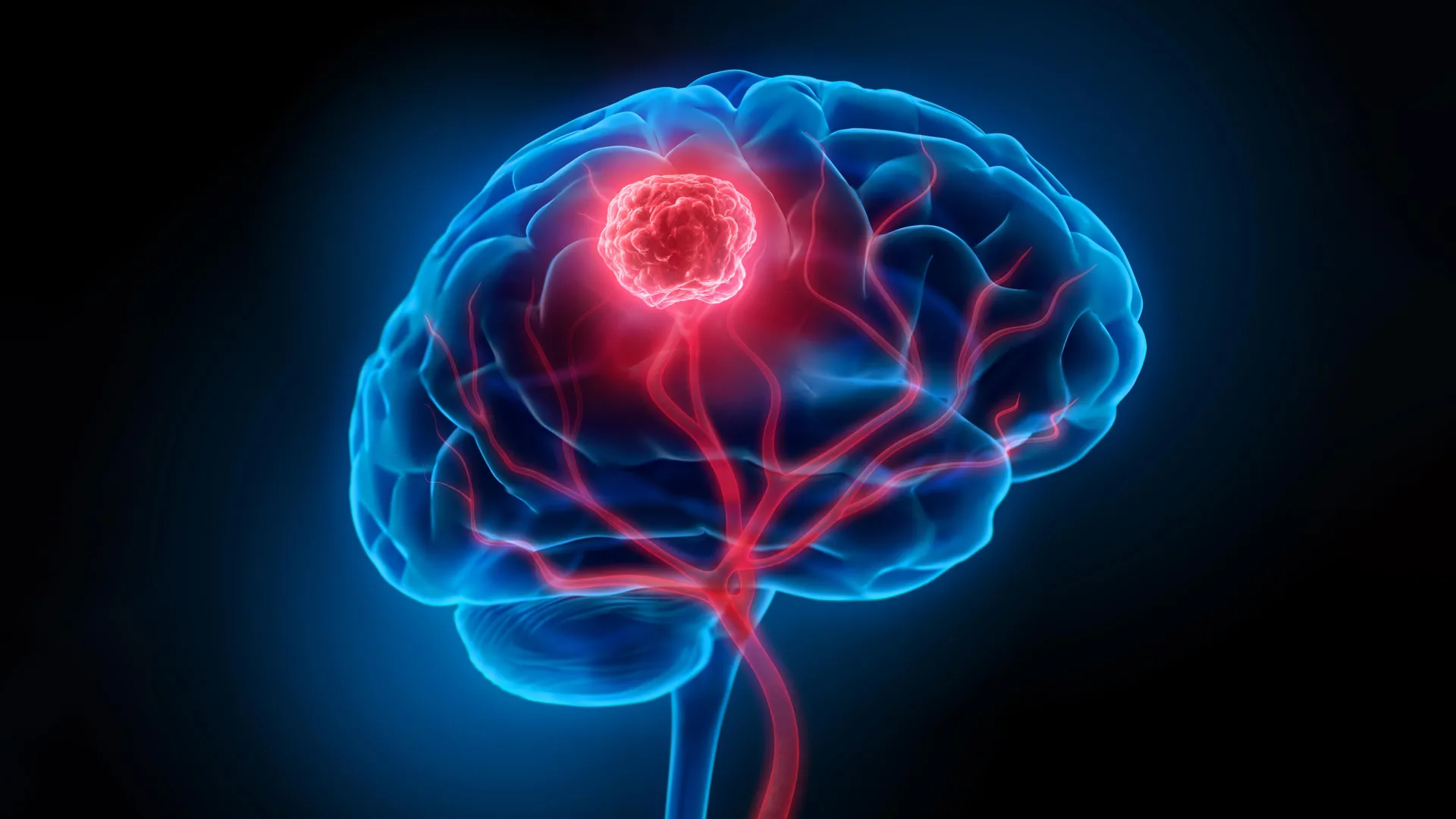
To test this "gentle" strategy, the research team focused on glioblastoma, a diagnosis often considered a death sentence. Glioblastoma is characterized by rapid, invasive growth, with standard-of-care treatments—surgery, radiation, and chemotherapy—offering a median survival rate of only 15 months.
In a small but highly controlled study, ten patients diagnosed with glioblastoma were administered a tablet containing small, specific doses of resveratrol and copper four times daily for an average of 11.6 days prior to their scheduled tumor-resection surgeries. A control group of ten patients with similar tumor profiles received no such intervention.
The results were transformative. Upon examining the tumor tissue removed during surgery, the researchers performed exhaustive analyses—including microscopy, immune-staining, immunofluorescence, and transcriptome analysis—to map the molecular changes within the malignant cells.
Decoding the Mechanism: The Role of cfChPs
The mechanism by which this nutraceutical combination functions centers on the regulation of cell-free chromatin particles (cfChPs). As cancer cells die, they release fragments of their DNA—cfChPs—into the surrounding extracellular space. These particles act as a catalyst for chaos; when healthy or surviving cancer cells absorb these DNA fragments, it triggers a proinflammatory response that makes the remaining tumor cells more aggressive and resistant to treatment.
Professor Mittra’s team found that in the untreated control group, cfChPs were abundant, fueling the aggressive nature of the glioblastoma. In the patients treated with the resveratrol-copper tablets, however, these particles were almost entirely absent.
The tablets appear to work by generating oxygen radicals that deactivate or destroy cfChPs in the bloodstream. By neutralizing these particles, the treatment prevents the "inflammatory loop" that typically drives tumor progression. Furthermore, the researchers observed that the nutraceuticals promoted apoptosis—programmed cell death—ensuring that cancer cells were dismantled in a controlled, non-inflammatory manner before they could leak harmful genetic material into the microenvironment.
Immune Checkpoint Modulation: A Budget-Friendly Revolution
One of the most profound outcomes of the study concerns immune checkpoints. Modern immunotherapy has been revolutionized by checkpoint inhibitors—drugs that "release the brakes" on the immune system, allowing it to recognize and attack tumor cells. While revolutionary, these drugs are prohibitively expensive and frequently cause severe, sometimes life-threatening, side effects.
The study revealed that the resveratrol-copper combination successfully downregulated multiple immune checkpoints within the tumor microenvironment. Essentially, this humble, non-toxic supplement achieved results comparable to high-end pharmaceutical agents. For patients who struggle to afford or tolerate traditional immunotherapy, this finding opens the door to a more accessible, sustainable, and humane treatment pathway.
Chronology of the Research and Validation
The journey to this discovery has been one of rigorous, incremental science:
- 1986: Dr. Harold Dvorak proposes the theory of cancer as a "wound that never heals."
- Pre-2023: Professor Mittra’s group establishes the role of cfChPs in cancer progression, proving that these DNA fragments are not merely waste products, but active drivers of malignancy.
- Early 2024: The clinical trial at the Tata Memorial Centre commences, enrolling patients with high-grade glioblastoma.
- Mid-2024: Analysis of post-surgical tissue samples confirms that resveratrol and copper induce a "healing" signature, characterized by the destruction of cfChPs and the suppression of immune-evasion pathways.
- Current Status: The findings are published in BJC Reports, sparking international discussion regarding the necessity of a paradigm shift in oncology.
Implications for Global Oncology
The implications of Professor Mittra’s work extend far beyond the treatment of glioblastoma. If the "healing" approach can be successfully replicated in larger, multicenter trials, it could fundamentally alter the economic and physical landscape of cancer care.
1. Reducing Toxicity
The primary barrier to conventional cancer treatment is patient quality of life. The fact that the study participants experienced zero side effects from the nutraceutical regimen is a startling contrast to the debilitating fatigue, nausea, and organ damage associated with standard chemotherapy.
2. Democratizing Access
The cost of modern cancer therapies has created a global inequality in patient outcomes. By identifying potent, non-toxic, and inexpensive nutraceuticals that target the same pathways as multi-thousand-dollar drugs, the research offers a blueprint for more equitable healthcare.
3. Chronic Management
If a malignant tumor can be converted into a benign state—essentially a "chronic" condition that is managed rather than fought—the goal of treatment shifts from "survival at all costs" to "longevity with dignity." This aligns with the evolution of other diseases, such as HIV or diabetes, which were once fatal but are now managed through consistent, long-term therapeutic interventions.
Official Responses and Future Outlook
While the scientific community has greeted the results with cautious optimism, experts emphasize that a sample size of ten patients is insufficient to change clinical guidelines. Larger, randomized, double-blind trials are required to confirm efficacy and determine the optimal dosage for long-term use.
Professor Mittra himself acknowledges these limitations but remains steadfast in his conviction. "We have been trying to kill cancer cells for 2,500 years, since the time of the ancient Greeks, without success," he notes. "Maybe it is time to look at cancer treatment differently."
The research was supported by the Department of Atomic Energy, Government of India, through the Tata Memorial Centre. As the oncology world looks toward the future, the work in Mumbai serves as a poignant reminder that sometimes the most sophisticated solutions are not found in the most complex molecules, but in understanding the basic biological processes of life, death, and healing.
Whether or not this specific nutraceutical combination becomes a standard-of-care, the message is clear: the era of purely destructive cancer therapy is being questioned. The path forward may well be one of healing, turning the tide against one of humanity’s oldest enemies by changing the battlefield itself.